Home › Recipes › Dinner ›Taiwanese ›Spicy Taiwanese Dry Noodles with Savory Minced Pork (Gan Ban Mian)
DINNER

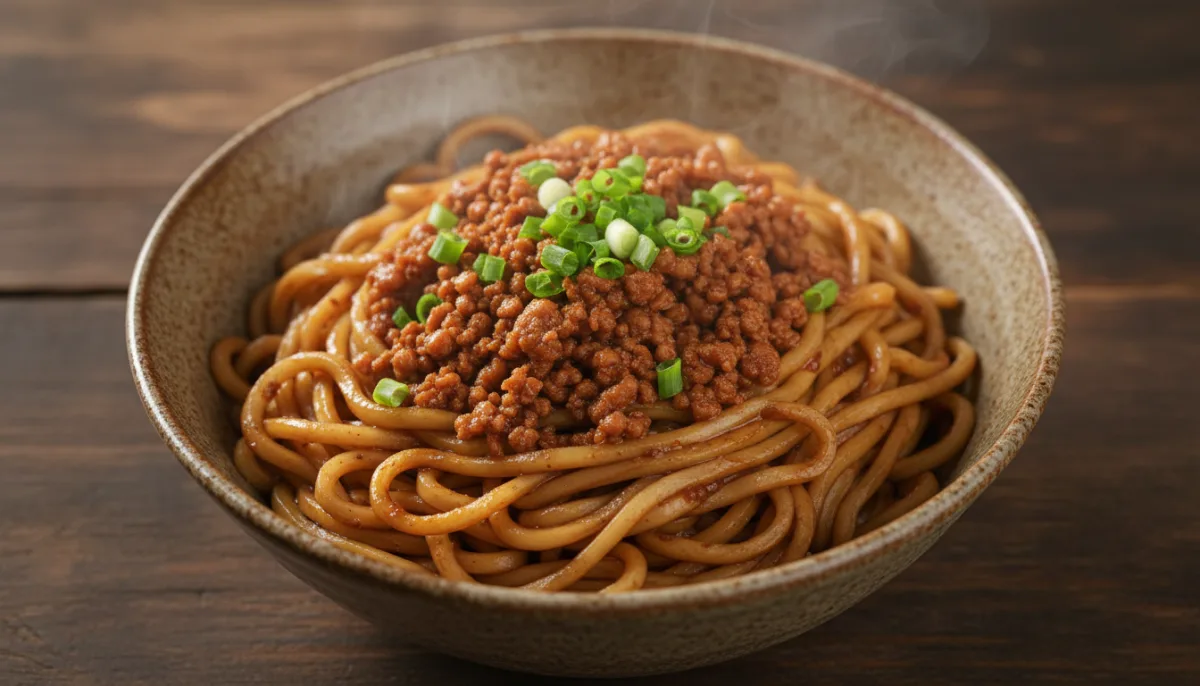
Spicy Taiwanese Dry Noodles with Savory Minced Pork (Gan Ban Mian)

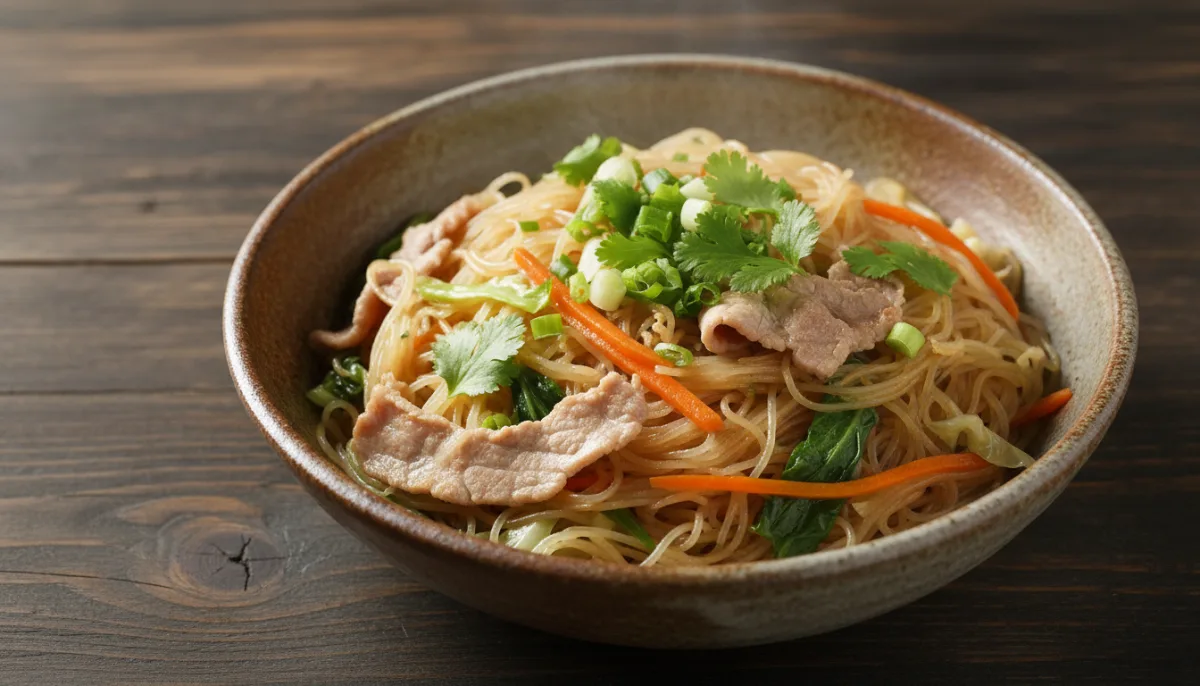
Experience the vibrant flavors of Taiwan with this quick and satisfying dry noodle dish. Chewy noodles are coated in a rich, spicy sauce and crowned with perfectly seasoned minced pork, offering an authentic taste of Taiwanese comfort food right in your own kitchen.

✎
HOW TO MAKE IT

Let's cook.

01

Cook the noodles according to package instructions until al dente. Drain well and set aside.

02

While noodles cook, heat 1 tablespoon of cooking oil in a large skillet or wok over medium-high heat. Add the ground pork and cook for 5-7 minutes, breaking it apart with a spoon, until browned and cooked through. Drain any excess fat.

03

Add the minced garlic to the skillet with the pork and stir-fry for 30 seconds until fragrant.

04

Stir in the soy sauce, dark soy sauce, Shaoxing wine, chili oil, rice vinegar, and sugar. Cook for 2-3 minutes, stirring constantly, until the sauce thickens slightly and coats the pork.

05

Divide the cooked noodles among serving bowls. Top each bowl generously with the spicy minced pork mixture.

06

Garnish with chopped scallions and serve immediately.

About This Recipe

Experience the vibrant flavors of Taiwan with this quick and satisfying dry noodle dish. Chewy noodles are coated in a rich, spicy sauce and crowned with perfectly seasoned minced pork, offering an authentic taste of Taiwanese comfort food right in your own kitchen.
Spicy Taiwanese Dry Noodles with Savory Minced Pork (Gan Ban Mian)
Simple ingredients.
Big flavor.
✦
♨

Chef's Tips

For extra flavor, add a teaspoon of toasted sesame oil to the noodles before topping with pork. Adjust the amount of chili oil to your preferred spice level. A dash of white pepper can also enhance the flavor.
↔

Easy Substitutions

You can use ground chicken or turkey instead of pork. For a vegetarian version, use crumbled firm tofu or plant-based ground meat substitute. Any type of wheat noodle, such as ramen or spaghetti, can be used if fresh Taiwanese noodles are unavailable. If you don't have Shaoxing wine, dry sherry can be a substitute.
▱

Storage & Reheating

Store leftover noodles and pork separately in airtight containers in the refrigerator for up to 3 days. Reheat the pork mixture gently on the stovetop or in the microwave, and briefly blanch the noodles in hot water to refresh them before combining.

Serving Suggestions

Serve with a side of blanched bok choy or steamed green beans for a complete meal. A simple cucumber salad with a light vinaigrette would also be a refreshing accompaniment. For an extra kick, offer additional chili oil or a sprinkle of toasted chili flakes on the side.

Common Mistakes

Overcooking the noodles can lead to a mushy texture; cook them just until al dente. Not draining the noodles thoroughly can dilute the sauce. Undercooking the pork will result in a less flavorful dish; ensure it's fully browned. Forgetting to taste and adjust the sauce can lead to an unbalanced flavor profile. Adding all the chili oil at once without tasting can make the dish too spicy for some.

Frequently Asked Questions

Can I make this dish ahead of time?

While best served fresh, you can prepare the minced pork mixture a day in advance and store it in the refrigerator. Cook the noodles just before serving.


What kind of noodles should I use?

Fresh Taiwanese wheat noodles are ideal, but any fresh or dried wheat noodles like ramen, udon, or even spaghetti can be used.

Is Gan Ban Mian very spicy?

The spice level is adjustable. Start with 1 tablespoon of chili oil and add more to your preference.

Can I add vegetables to this dish?

Absolutely! Stir-fried bok choy, spinach, or shredded carrots can be added to the pork mixture or served on the side.

What is Shaoxing wine?

Shaoxing wine is a traditional Chinese rice wine used in cooking. It adds depth and complexity to the sauce.
MORE TO KNOW
The key to a great Gan Ban Mian is the balance of savory, spicy, and slightly sweet flavors in the sauce. Don't be afraid to taste and adjust the seasoning as you cook the pork mixture. The dark soy sauce is primarily for color, giving the dish its characteristic rich hue, while regular soy sauce provides the main salty umami. Fresh noodles are always preferred for their chewy texture, but dried noodles work well too.
WHAT PEOPLE THINK

Reviews

☆

No reviews yet

Be the first person to review this recipe.

SHARE YOUR THOUGHTS

Made this recipe?

Tell us how it turned out.

Your review will be checked before appearing publicly.