Home › Recipes › Dinner ›Taiwanese ›Taiwanese Scallion Oil Noodles (Cong You Ban Mian)
DINNER

Taiwanese Scallion Oil Noodles (Cong You Ban Mian)

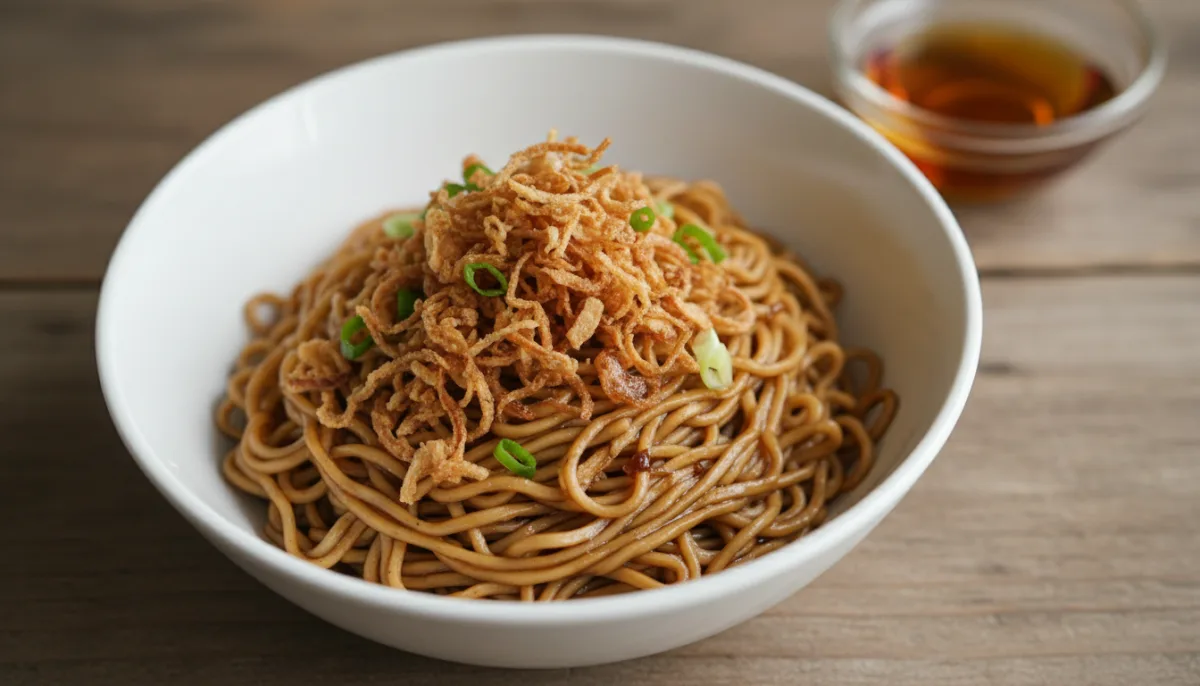
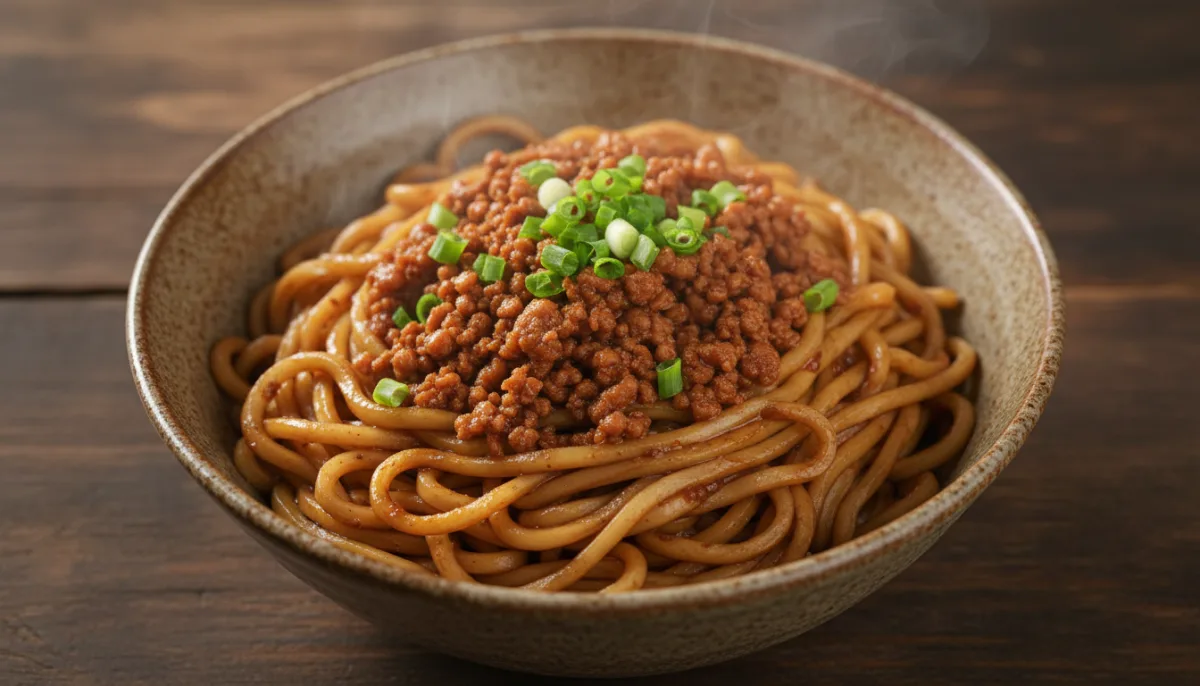
This classic Taiwanese Scallion Oil Noodles recipe delivers a comforting and flavorful meal with minimal effort. Fragrant scallion oil infuses simple noodles, creating a satisfying dish that's perfect for a quick dinner or light lunch.

✎
HOW TO MAKE IT

Let's cook.

01

Bring a large pot of water to a rolling boil. Cook the noodles according to package directions until al dente. Drain well and set aside.

02

While the noodles cook, prepare the scallion oil. Heat 1/2 cup neutral oil in a small saucepan or wok over medium-low heat. Add the thinly sliced scallions.

03

Gently fry the scallions in the oil for 8-10 minutes, stirring occasionally, until they are deeply golden brown and crispy. Be careful not to burn them. Remove the scallions with a slotted spoon and set aside, reserving the fragrant scallion oil.

04

In a small bowl, whisk together the light soy sauce, dark soy sauce, oyster sauce (if using), sugar, and white pepper to create the sauce mixture.

05

In a large bowl, combine the drained noodles with 2-3 tablespoons of the reserved scallion oil and the prepared sauce mixture. Toss well to coat all the noodles evenly.

06

Divide the noodles into serving bowls. Garnish generously with the crispy fried scallions. Serve immediately.

About This Recipe

This classic Taiwanese Scallion Oil Noodles recipe delivers a comforting and flavorful meal with minimal effort. Fragrant scallion oil infuses simple noodles, creating a satisfying dish that's perfect for a quick dinner or light lunch.
Taiwanese Scallion Oil Noodles (Cong You Ban Mian)
Simple ingredients.
Big flavor.
✦
♨

Chef's Tips

For an extra layer of flavor, you can add a splash of rice vinegar or a drizzle of sesame oil to the sauce mixture. Adjust the amount of scallion oil to your preference; some prefer a richer, more oily noodle, while others like it lighter.
↔

Easy Substitutions

If you don't have fresh scallions, you can use dried fried shallots for a similar crispy texture and aromatic flavor. Vegetarian oyster sauce can be used for a plant-based version. Any thin pasta, like spaghetti or linguine, can be used in place of traditional wheat noodles.
▱

Storage & Reheating

Leftover noodles can be stored in an airtight container in the refrigerator for up to 2 days. Reheat gently in a microwave or by briefly tossing in a hot pan with a splash of water or oil to prevent sticking.

Serving Suggestions

Serve these noodles as a light main course, or as a side dish alongside grilled chicken or pan-fried tofu. A simple cucumber salad or blanched greens with a light dressing would complement the richness of the noodles. For a heartier meal, top with a fried egg or some shredded cooked chicken.

Common Mistakes

1. Burning the scallions: Fry them over medium-low heat and watch them closely. Burnt scallions will taste bitter. 2. Overcooking the noodles: Cook them only until al dente, as they will continue to soften slightly when tossed with the warm oil and sauce. 3. Not draining noodles thoroughly: Excess water will dilute the sauce and prevent it from clinging properly to the noodles. 4. Not enough scallion oil: The oil is the star here, so don't be shy. Start with 2-3 tablespoons and add more to taste. 5. Not tossing well: Ensure every strand of noodle is coated with the flavorful sauce and oil for the best experience.

Frequently Asked Questions

Can I use green onions instead of scallions?

Yes, green onions are essentially the same as scallions and can be used interchangeably in this recipe.


Is oyster sauce necessary?

Oyster sauce adds a layer of umami and sweetness, but if you don't have it or prefer a vegetarian option, you can omit it or use a vegetarian mushroom-based oyster sauce.

Can I make the scallion oil ahead of time?

Absolutely! The scallion oil can be made several days in advance and stored in an airtight container in the refrigerator. This makes assembling the noodles even quicker.

What kind of noodles are best?

Thin wheat noodles, such as fresh or dried ramen, lo mein, or even spaghetti, work wonderfully. The key is a noodle that can absorb the flavorful oil and sauce.
MORE TO KNOW
The key to authentic Taiwanese Scallion Oil Noodles lies in slowly frying the scallions until they are perfectly golden and crispy, infusing the oil with their aromatic essence. This process extracts maximum flavor and creates a delightful textural contrast when garnished. Don't rush this step; low and slow heat is crucial to prevent burning and achieve that deep, savory scallion flavor. The residual heat in the oil will continue to cook the scallions slightly after you turn off the heat, so remove them just before they reach your desired crispness.
WHAT PEOPLE THINK

Reviews

☆

No reviews yet

Be the first person to review this recipe.

SHARE YOUR THOUGHTS

Made this recipe?

Tell us how it turned out.

Your review will be checked before appearing publicly.