Home › Recipes › Dinner ›Tibetan ›Himalayan Buckwheat Blood Sausage (Gyuma)
DINNER

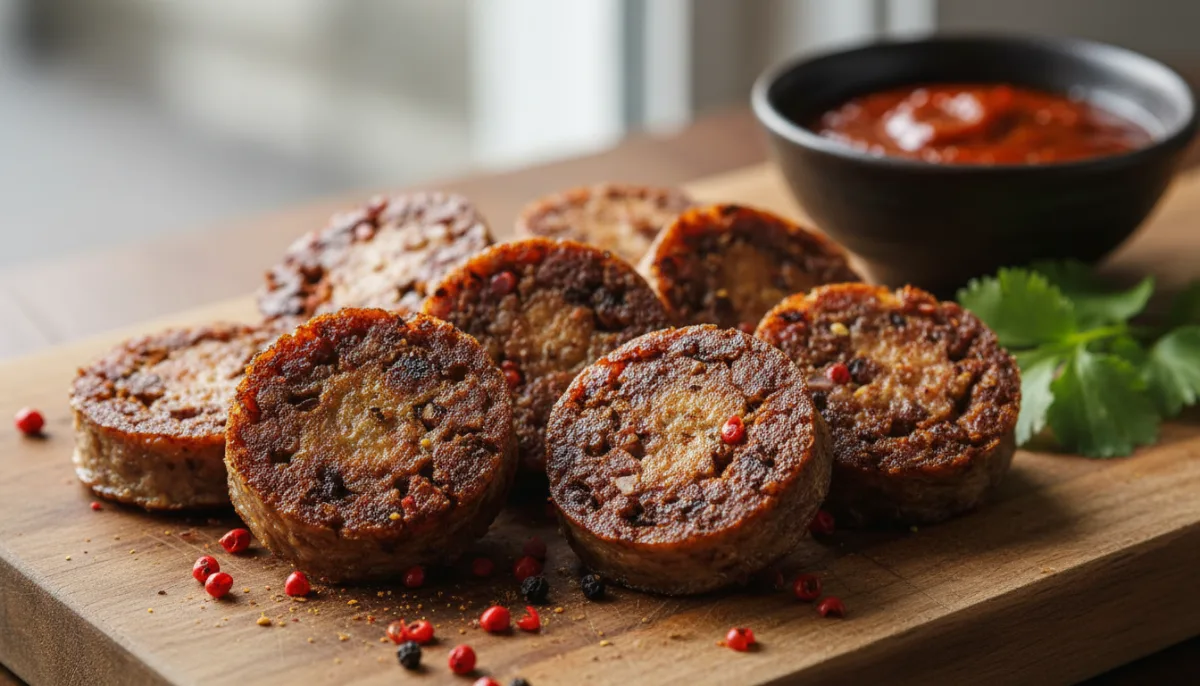
Himalayan Buckwheat Blood Sausage (Gyuma)

Embark on a culinary journey to the Himalayas with this authentic recipe for Gyuma, a traditional Tibetan blood sausage. Crafted with hearty buckwheat, a fragrant blend of spices, and rich seasonings, this dish offers a truly unique and satisfying experience for the adventurous palate.

✎
HOW TO MAKE IT

Let's cook.

01

Rinse the buckwheat groats thoroughly and toast them in a dry pan over medium heat for 5 minutes until fragrant. Set aside to cool.

02

In a large bowl, combine the fresh beef blood, toasted buckwheat groats, finely diced beef suet, ground Sichuan peppercorns, grated ginger, salt, and black pepper. Mix thoroughly until all ingredients are well incorporated.

03

Carefully stuff the mixture into the prepared natural sausage casings, ensuring not to overfill them. Tie off the ends with kitchen twine, creating individual sausages approximately 6 inches long.

04

Bring a large pot of water to a gentle simmer (do not boil). Carefully place the gyuma sausages into the simmering water. Cook for 45-50 minutes, maintaining a gentle simmer, until the sausages are firm and cooked through.

05

Remove the cooked gyuma from the water and let them cool slightly. They can be pan-fried or grilled before serving for a crispy exterior.

06

To pan-fry, heat 1 tablespoon of oil in a skillet over medium heat. Cook the gyuma for 3-4 minutes per side until browned and heated through.

About This Recipe

Embark on a culinary journey to the Himalayas with this authentic recipe for Gyuma, a traditional Tibetan blood sausage. Crafted with hearty buckwheat, a fragrant blend of spices, and rich seasonings, this dish offers a truly unique and satisfying experience for the adventurous palate.
Himalayan Buckwheat Blood Sausage (Gyuma)
Simple ingredients.
Big flavor.
✦
♨

Chef's Tips

Ensure the blood is very fresh and from a trusted source. When stuffing, avoid air pockets by gently pressing the mixture into the casings. Prick any visible air bubbles with a sterile needle to prevent bursting during cooking.
↔

Easy Substitutions

If fresh blood is unavailable, some recipes use a combination of liver and other offal, though the texture and flavor will differ significantly. Beef fat can be used instead of suet. For a milder flavor, reduce the amount of Sichuan peppercorns.
▱

Storage & Reheating

Cooked gyuma can be stored in an airtight container in the refrigerator for up to 3 days. Reheat gently in a pan or by simmering in water.

Serving Suggestions

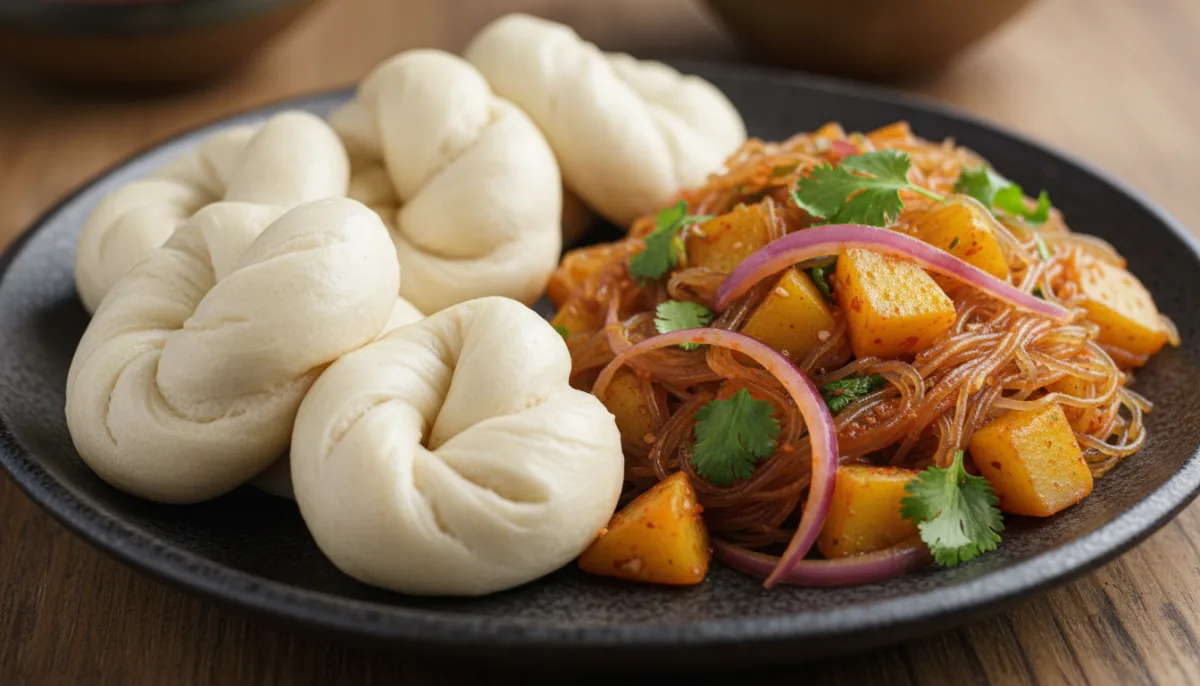
Serve the pan-fried gyuma with a side of steamed rice or tingmo (Tibetan steamed bread). A simple chili sauce or a fresh cucumber salad can provide a refreshing contrast. It also pairs well with stir-fried greens or a light broth.

Common Mistakes

Overfilling casings can cause them to burst during cooking; leave some room for expansion. Boiling the sausages too vigorously will also cause them to burst; maintain a gentle simmer. Not sourcing fresh, high-quality blood can lead to an unpleasant taste or texture. Undercooking can result in a soft, unappetizing interior.

Frequently Asked Questions

Where can I find fresh beef blood and natural sausage casings?

Fresh beef blood can often be sourced from specialty butchers or Asian markets. Natural sausage casings are typically available at butcher shops or online.


Can I freeze gyuma?

Yes, cooked gyuma can be frozen for up to 2 months. Thaw in the refrigerator overnight before reheating.

What is the texture of gyuma?

Gyuma has a firm yet tender texture, with the buckwheat groats providing a pleasant chewiness and the suet adding richness.
MORE TO KNOW
Gyuma, like many blood sausages, is a traditional way to utilize all parts of an animal, reflecting a deep respect for resources in Tibetan culture. The buckwheat adds a unique nutty texture and earthy flavor that complements the richness of the blood and suet. The Sichuan peppercorns provide a distinctive 'mala' (numbing and spicy) sensation, characteristic of many Himalayan dishes. This recipe is a journey into authentic Tibetan culinary practices, offering a glimpse into the resourcefulness and bold flavors of the region.
WHAT PEOPLE THINK

Reviews

☆

No reviews yet

Be the first person to review this recipe.

SHARE YOUR THOUGHTS

Made this recipe?

Tell us how it turned out.

Your review will be checked before appearing publicly.