Home › Recipes › Dessert ›Singaporean ›Classic Singaporean Pulut Hitam (Black Glutinous Rice Porridge)
DESSERT

Classic Singaporean Pulut Hitam (Black Glutinous Rice Porridge)

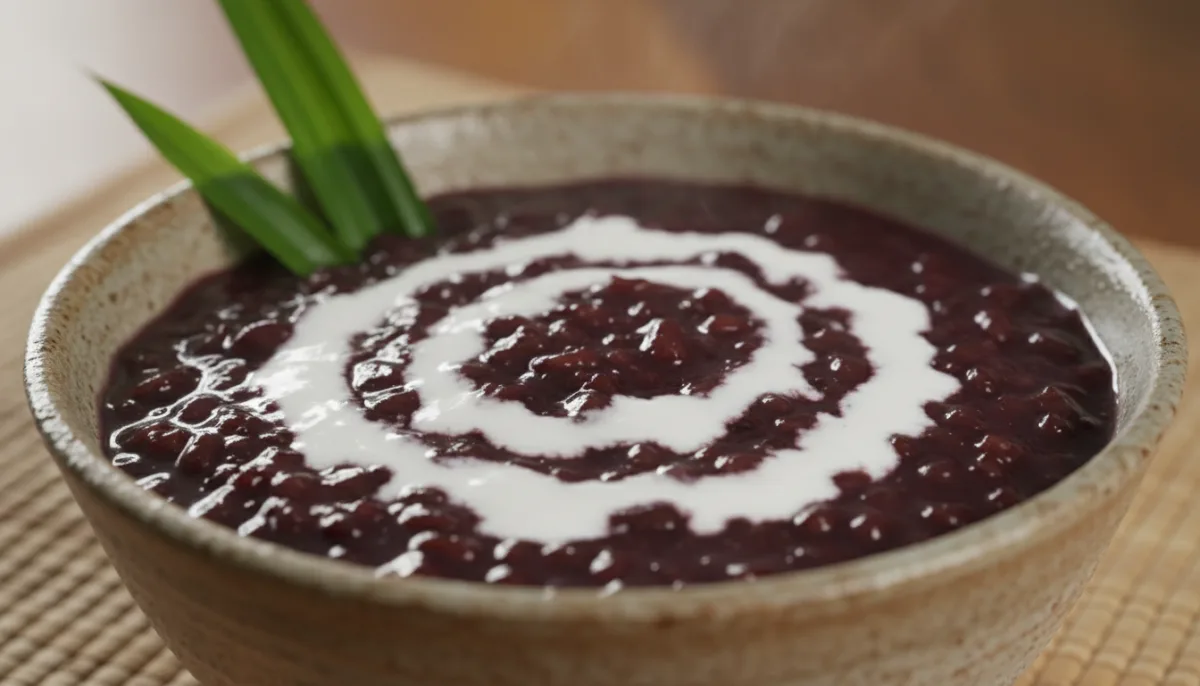
Savor the comforting warmth of this traditional Singaporean dessert. Black glutinous rice is gently simmered to a tender, chewy perfection, then sweetened with aromatic palm sugar and finished with a luxurious swirl of rich coconut milk. It's a subtly sweet, hearty, and deeply satisfying treat, perfect for any occasion.

✎
HOW TO MAKE IT

Let's cook.

01

Drain the soaked black glutinous rice and transfer it to a medium saucepan. Add 4 cups of water and the knotted pandan leaf.

02

Bring the mixture to a boil over medium-high heat, then reduce the heat to low, cover, and simmer for 45 minutes, stirring occasionally to prevent sticking.

03

After 45 minutes, the rice should be tender and most of the water absorbed. Stir in the chopped gula melaka and salt.

04

Continue to simmer, uncovered, for another 10-15 minutes over low heat, stirring frequently, until the gula melaka has fully dissolved and the porridge has thickened to your desired consistency.

05

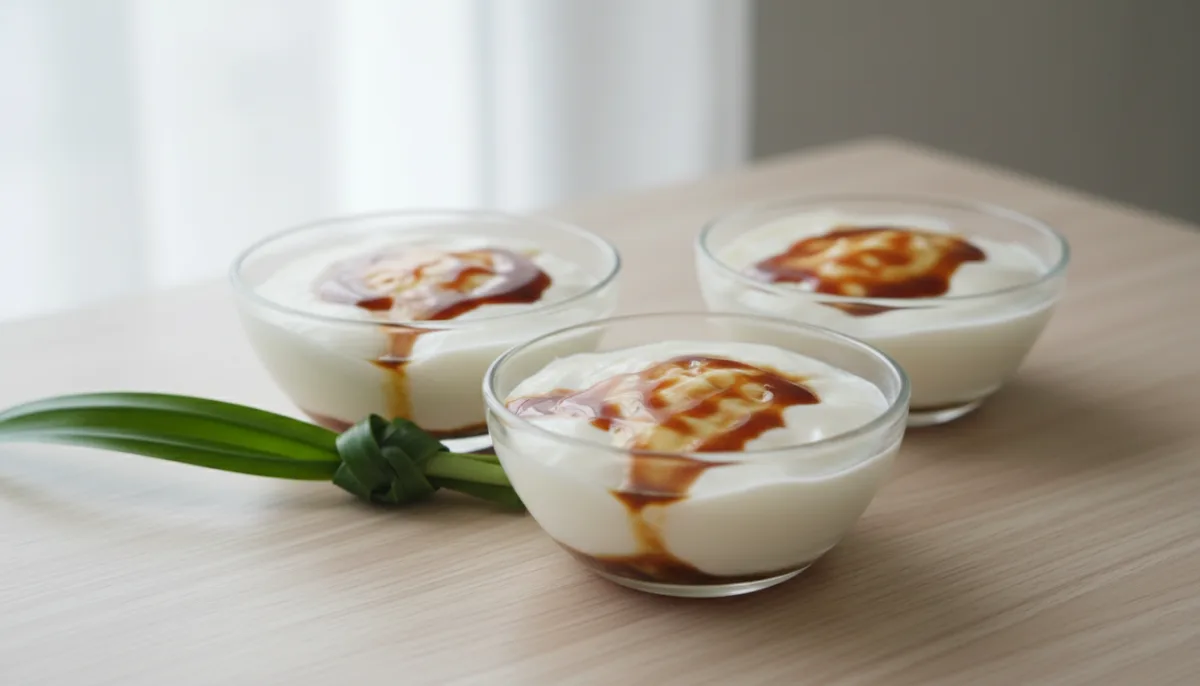
Remove the pandan leaf. Ladle the warm pulut hitam into individual serving bowls. Drizzle generously with full-fat coconut milk before serving.

About This Recipe

Savor the comforting warmth of this traditional Singaporean dessert. Black glutinous rice is gently simmered to a tender, chewy perfection, then sweetened with aromatic palm sugar and finished with a luxurious swirl of rich coconut milk. It's a subtly sweet, hearty, and deeply satisfying treat, perfect for any occasion.
Classic Singaporean Pulut Hitam (Black Glutinous Rice Porridge)
Simple ingredients.
Big flavor.
✦
♨

Chef's Tips

For a richer flavor, toast the black glutinous rice lightly in a dry pan for 2-3 minutes before soaking. Adjust the amount of gula melaka to your sweetness preference.
↔

Easy Substitutions

If gula melaka is unavailable, you can use brown sugar, though the flavor will be slightly different. For a thinner consistency, add a little more water or coconut milk during the final simmering stage. If fresh pandan leaf is not available, use 1/2 teaspoon of pandan extract, added with the coconut milk.
▱

Storage & Reheating

Store leftover Pulut Hitam in an airtight container in the refrigerator for up to 3 days. Reheat gently on the stovetop over low heat, adding a splash of water or coconut milk if it has thickened too much.

Serving Suggestions

Serve warm as a comforting dessert or a unique breakfast. Garnish with a sprinkle of toasted sesame seeds for added texture. A small scoop of vanilla ice cream can be a delightful contrast to the warm porridge. For a more elaborate presentation, serve in small ramekins with a fresh mint leaf.

Common Mistakes

Not soaking the rice: This will result in a much longer cooking time and potentially unevenly cooked grains. Not stirring frequently: The glutinous rice can easily stick to the bottom of the pot and burn. Over-sweetening: Start with the recommended amount of gula melaka and add more to taste, as preferences vary. Using low-fat coconut milk: Full-fat coconut milk provides the essential richness and creaminess for this dessert.

Frequently Asked Questions

Can I cook this in a slow cooker?

Yes, after soaking, combine all ingredients except coconut milk in a slow cooker and cook on low for 3-4 hours, or until tender. Stir in coconut milk before serving.


What is gula melaka?

Gula melaka is a type of palm sugar commonly used in Southeast Asian cuisine. It has a distinct caramel-like flavor that is richer than regular brown sugar.

Can I make this vegan?

Yes, this recipe is naturally vegan as all ingredients are plant-based.

How do I know when the rice is cooked?

The rice should be soft and chewy, with no hard or crunchy bits. It will also have absorbed most of the liquid and the porridge will appear thick and creamy.
MORE TO KNOW
The key to a perfect Pulut Hitam is properly soaking the black glutinous rice. This significantly reduces cooking time and ensures a tender, creamy texture. The pandan leaf infuses a subtle, aromatic fragrance that is characteristic of Southeast Asian desserts. Don't be afraid to adjust the sweetness and consistency to your liking; some prefer it thicker, almost like a pudding, while others enjoy a looser, more soupy texture.
WHAT PEOPLE THINK

Reviews

☆

No reviews yet

Be the first person to review this recipe.

SHARE YOUR THOUGHTS

Made this recipe?

Tell us how it turned out.

Your review will be checked before appearing publicly.