Home › Recipes › Dessert ›Vietnamese ›Creamy Vietnamese Taro and Coconut Pudding (Chè Khoai Môn Dừa)
DESSERT

Creamy Vietnamese Taro and Coconut Pudding (Chè Khoai Môn Dừa)

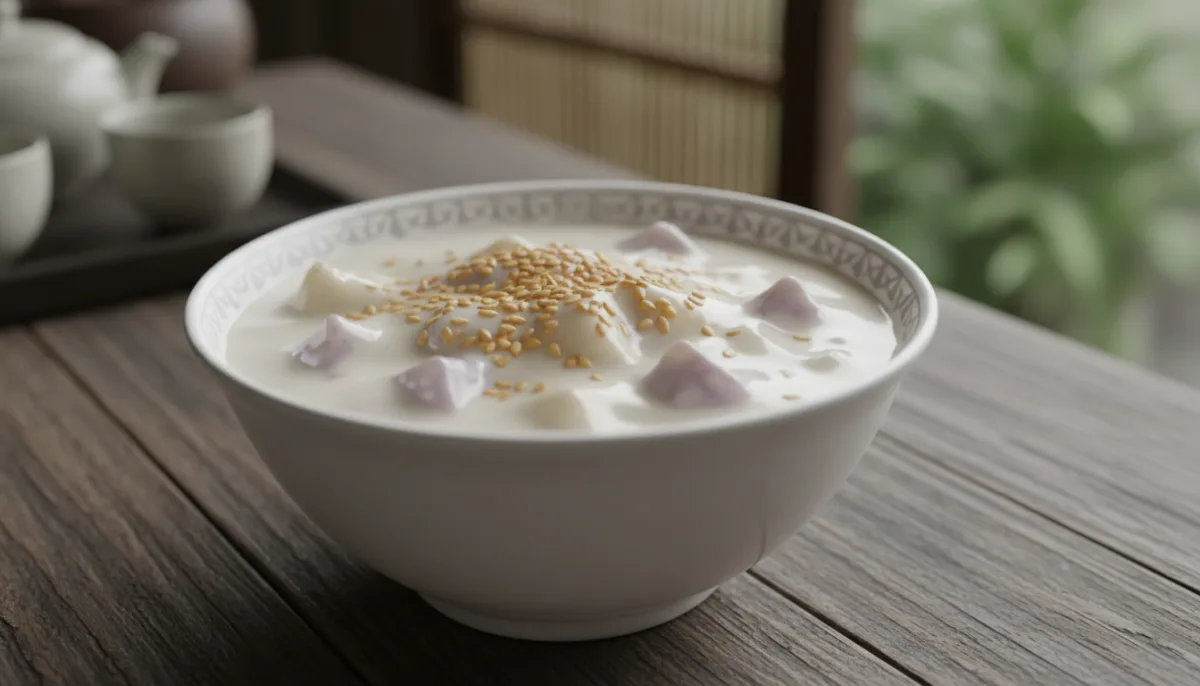
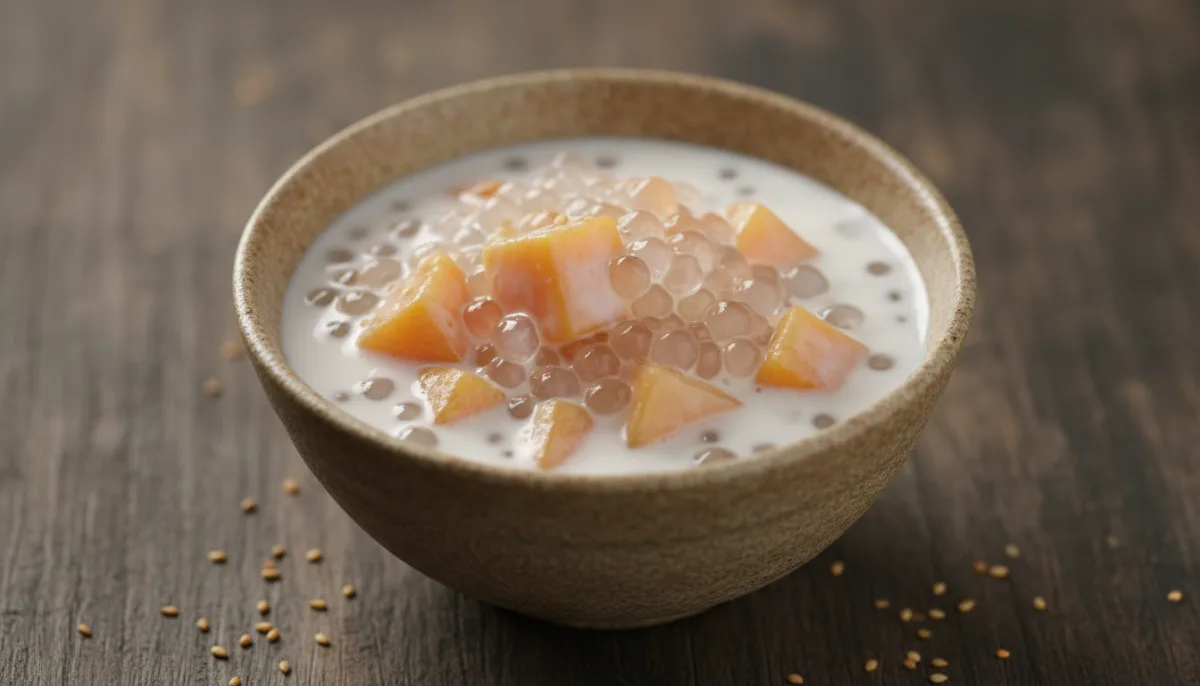
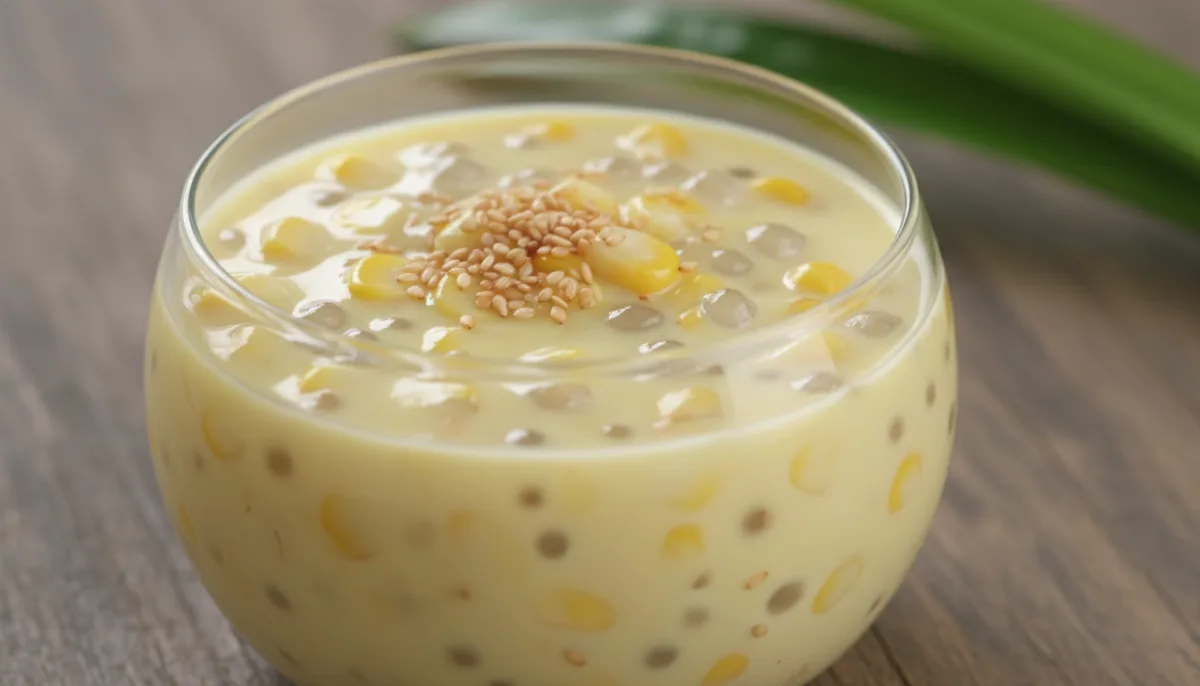
Indulge in the comforting sweetness of Chè Khoai Môn Dừa, a traditional Vietnamese dessert. This delightful pudding combines tender, earthy taro with rich, creamy coconut milk, creating a subtly fragrant and satisfying treat that's perfect for any time of year.

✎
HOW TO MAKE IT

Let's cook.

01

Peel and cut the taro root into 1/2-inch cubes. Rinse the taro cubes thoroughly under cold water to remove excess starch, then drain well.

02

In a medium saucepan, combine the coconut milk, granulated sugar, salt, and 1/2 cup of water. Bring the mixture to a gentle simmer over medium heat, stirring occasionally until the sugar and salt dissolve.

03

Add the rinsed taro cubes to the simmering coconut milk mixture. Reduce the heat to low, cover the saucepan, and simmer for 20-25 minutes, or until the taro is tender when pierced with a fork.

04

Once the taro is tender, stir in the tapioca starch slurry. Continue to cook over low heat, stirring constantly for 2-3 minutes, until the pudding thickens to your desired consistency.

05

Remove the saucepan from the heat and let the pudding cool slightly before serving. The pudding will thicken further as it cools.

06

Serve the Vietnamese Coconut and Taro Pudding warm or chilled, garnished with toasted sesame seeds.

About This Recipe

Indulge in the comforting sweetness of Chè Khoai Môn Dừa, a traditional Vietnamese dessert. This delightful pudding combines tender, earthy taro with rich, creamy coconut milk, creating a subtly fragrant and satisfying treat that's perfect for any time of year.
Creamy Vietnamese Taro and Coconut Pudding (Chè Khoai Môn Dừa)
Simple ingredients.
Big flavor.
✦
♨

Chef's Tips

For extra flavor, you can add a pandan leaf to the coconut milk mixture while simmering, removing it before serving. Adjust the sugar to your preference; some taro varieties are naturally sweeter than others. Ensure the taro is cooked through but not mushy for the best texture.
↔

Easy Substitutions

If taro root is unavailable, sweet potato can be used as a substitute, though the flavor and texture will be different. For a richer coconut flavor, use coconut cream instead of coconut milk, adjusting the water content as needed. You can also substitute tapioca starch with cornstarch for thickening.
▱

Storage & Reheating

Store leftover Vietnamese Coconut and Taro Pudding in an airtight container in the refrigerator for up to 3 days. It can be enjoyed chilled or gently reheated on the stovetop over low heat, adding a splash of water or coconut milk if it becomes too thick.

Serving Suggestions

Serve this pudding as a light dessert after a Vietnamese meal. It's also delicious as a comforting snack on its own. For an elevated presentation, serve in small bowls or glasses and sprinkle with a pinch of shredded coconut or chopped roasted peanuts in addition to sesame seeds. A scoop of vanilla ice cream can also complement the warm pudding.

Common Mistakes

Overcooking the taro can result in a mushy texture; cook until just tender. Not rinsing the taro properly can lead to a gummy pudding. Adding the tapioca starch slurry too quickly or without stirring can cause lumps; ensure constant stirring. Using low-fat coconut milk will result in a less creamy and flavorful pudding. Not allowing the pudding to cool slightly before serving can make it seem thinner than its final consistency.

Frequently Asked Questions

Can I make this recipe vegan?

Yes, this recipe is naturally vegan as all ingredients are plant-based.

What kind of taro should I use?

Look for fresh taro root that is firm and free of blemishes. Any variety will work, but smaller taro tends to be sweeter.

Can I prepare this ahead of time?

Absolutely! This pudding tastes even better after chilling for a few hours or overnight, allowing the flavors to meld.

Why is my pudding too thin?

Ensure you used full-fat coconut milk and allowed the tapioca starch slurry to cook for a few minutes until thickened. If still too thin, you can make a small additional slurry and stir it in.
MORE TO KNOW
Taro root is a starchy root vegetable with a slightly nutty, sweet flavor and a unique texture that becomes creamy when cooked. When preparing taro, some people may experience skin irritation from the oxalates present. Wearing gloves while peeling and cutting can prevent this. Rinsing the cut taro thoroughly helps remove excess starch, which contributes to a smoother pudding texture and prevents it from becoming overly gummy. The tapioca starch slurry is crucial for achieving the pudding's characteristic thick, glossy consistency.
WHAT PEOPLE THINK

Reviews

☆

No reviews yet

Be the first person to review this recipe.

SHARE YOUR THOUGHTS

Made this recipe?

Tell us how it turned out.

Your review will be checked before appearing publicly.