Home›Recipes›Dinner›Venezuelan›Venezuelan Asado Negro with Creamy Plantain Puree
DINNER
Venezuelan Asado Negro with Creamy Plantain Puree
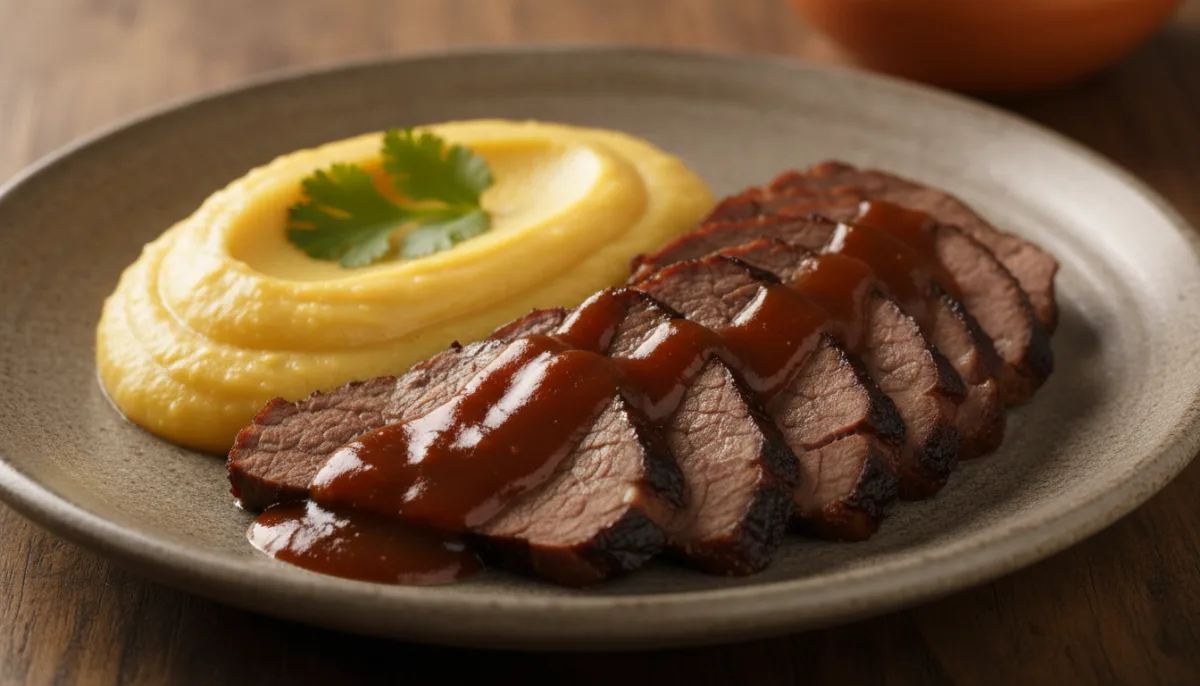
Experience the rich culinary heritage of Venezuela with this exquisite Asado Negro. Succulent beef, slow-cooked to perfection, is bathed in a deeply flavorful, dark, and subtly sweet sauce. This traditional main course is beautifully balanced by a velvety, naturally sweet plantain puree, creating a comforting and memorable meal ideal for any special occasion.
Season the beef roast generously with 1 teaspoon of salt and 1/2 teaspoon of black pepper. In a large Dutch oven or heavy-bottomed pot, heat 1/4 cup of vegetable oil over medium-high heat. Sear the beef on all sides until deeply browned, about 8-10 minutes total. Remove the beef and set aside.
02
Reduce the heat to medium. Add 1/4 cup of brown sugar to the pot and cook, stirring constantly, until it caramelizes and turns a dark amber color, about 2-3 minutes. Immediately add the chopped onion and minced garlic, stirring well to coat. Cook until softened, about 5 minutes.
03
Deglaze the pot with 1 cup of red wine, scraping up any browned bits from the bottom. Stir in 1/2 cup of beef broth and 2 tablespoons of Worcestershire sauce. Bring the sauce to a simmer.
04
Return the seared beef roast to the pot. Cover tightly and transfer to a preheated oven at 325°F (160°C). Braise for 2 hours, turning the roast once halfway through, until the beef is very tender.
05
While the beef braises, prepare the plantain puree. In a separate saucepan, boil the 3 peeled and sliced ripe plantains in water until very tender, about 15-20 minutes. Drain well.
06
Transfer the cooked plantains to a bowl. Add 1/4 cup of milk and 2 tablespoons of butter. Mash with a fork or potato masher until smooth and creamy. Season with salt to taste.
07
Once the beef is tender, remove it from the pot and let it rest for 10 minutes before slicing against the grain. Skim any excess fat from the sauce, then reduce the sauce over medium-high heat for 5-10 minutes until it thickens slightly.
08
Serve the sliced Asado Negro with a generous spoonful of the rich, dark sauce and a side of creamy plantain puree.
About This Recipe
Experience the rich culinary heritage of Venezuela with this exquisite Asado Negro. Succulent beef, slow-cooked to perfection, is bathed in a deeply flavorful, dark, and subtly sweet sauce. This traditional main course is beautifully balanced by a velvety, naturally sweet plantain puree, creating a comforting and memorable meal ideal for any special occasion.
Simple ingredients. Big flavor.✦
♨
Chef's Tips
For an even richer flavor, marinate the beef overnight in a mixture of red wine, Worcestershire sauce, and a pinch of cumin. Ensure your plantains are very ripe (mostly black skin) for the sweetest, creamiest puree. If the sauce becomes too thick, add a splash more beef broth or water.
↔
Easy Substitutions
You can use a chuck roast or bottom round roast instead of eye of round, though cooking time may vary. For the plantain puree, you can substitute a small amount of heavy cream for milk for extra richness. If you don't have red wine, use an equal amount of beef broth with a tablespoon of red wine vinegar.
▱
Storage & Reheating
Store leftover Asado Negro and plantain puree separately in airtight containers in the refrigerator for up to 3-4 days. Reheat gently on the stovetop over low heat or in the microwave. The sauce may thicken further upon cooling, so you might need to add a little water or broth when reheating.
Serving Suggestions
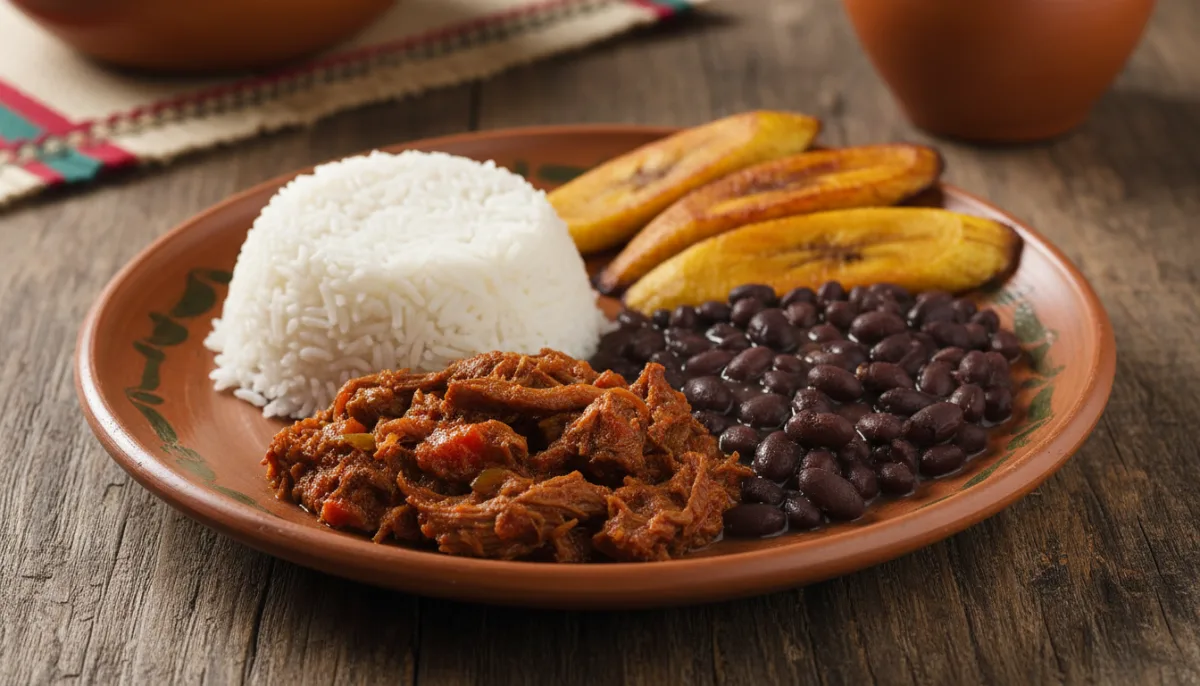
Serve this Venezuelan Asado Negro with Plantain Puree alongside a simple green salad with a light vinaigrette. It also pairs wonderfully with white rice to soak up the delicious sauce. For a more elaborate meal, consider adding a side of black beans or a fresh avocado salad. A sprinkle of fresh cilantro over the finished dish adds a nice touch of freshness.
Common Mistakes
1. Not searing the beef properly: A good sear creates a flavorful crust and locks in juices. Ensure the pot is hot and don't overcrowd the pan. 2. Burning the sugar: Watch the brown sugar carefully during caramelization; it can go from perfectly amber to burnt very quickly. If it burns, start over. 3. Not simmering long enough: The beef needs ample time to become fork-tender. Rushing this step will result in tough meat. 4. Using unripe plantains: Unripe plantains will not mash smoothly and will lack the natural sweetness needed for the puree. Ensure they are very ripe with black spots or fully black skin. 5. Over-reducing the sauce: While you want the sauce to thicken, reducing it too much can make it overly salty or syrupy. Taste as you go and adjust.
Frequently Asked Questions
Can I make Asado Negro in a slow cooker?
Yes, after searing the beef and caramelizing the sugar, transfer everything to a slow cooker and cook on low for 6-8 hours or on high for 3-4 hours, until the beef is tender. Reduce the sauce on the stovetop afterward if needed.
What kind of red wine should I use?
A dry red wine like Merlot or Cabernet Sauvignon works well. Avoid anything too sweet.
Can I prepare the plantain puree ahead of time?
Yes, you can make the plantain puree a day in advance and store it in the refrigerator. Reheat gently on the stovetop or in the microwave, adding a splash of milk if it's too thick.
Is Asado Negro spicy?
No, traditional Asado Negro is not spicy. It has a rich, savory, and slightly sweet flavor profile.
What if my plantains aren't ripe enough?
If your plantains are still green or yellow, you can ripen them faster by placing them in a paper bag with an apple or banana for a few days.
MORE TO KNOW
The key to a truly authentic Asado Negro is the caramelization of the brown sugar, which creates the signature dark color and slightly sweet, complex flavor of the sauce. Don't rush this step; allow the sugar to melt and darken to a rich amber before adding the aromatics. This process, known as 'quemar el azúcar' (burning the sugar), is crucial for developing the deep, characteristic hue and taste. The slow simmering ensures the beef becomes incredibly tender, absorbing all the wonderful flavors of the sauce. The plantain puree offers a perfect sweet and creamy contrast to the savory, tangy beef.