Home › Recipes › Lunch ›Tibetan ›Hearty Tibetan Buckwheat Noodles with Stir-fried Vegetables and Chili Oil
LUNCH

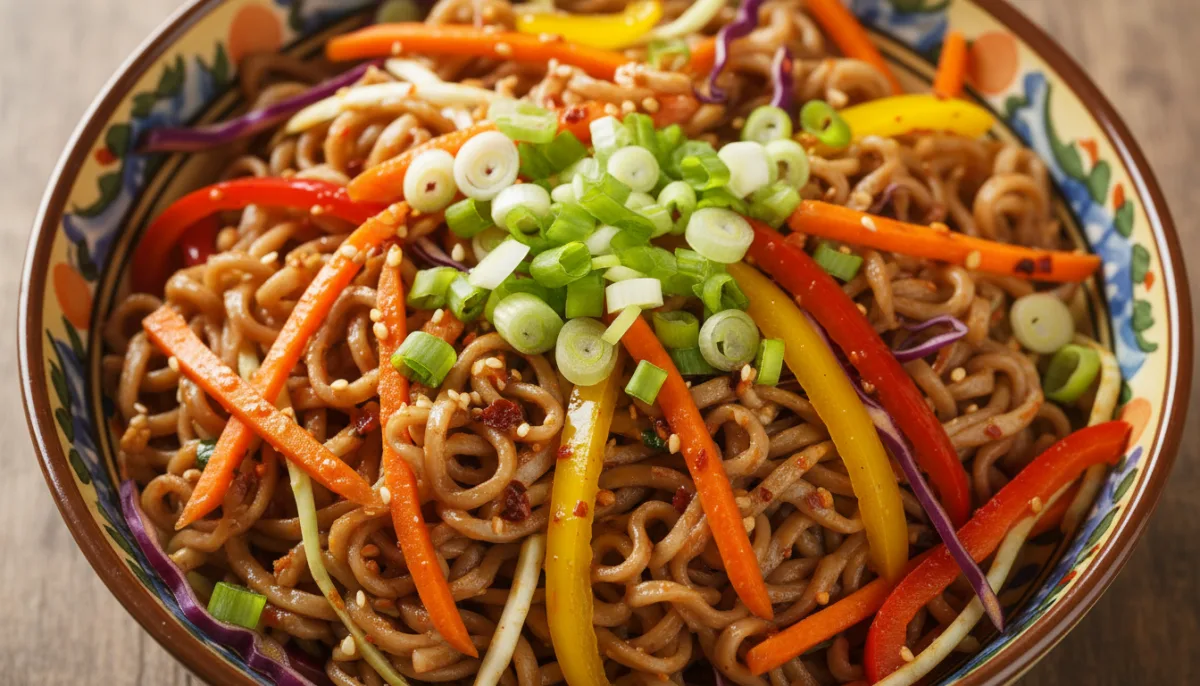
Hearty Tibetan Buckwheat Noodles with Stir-fried Vegetables and Chili Oil

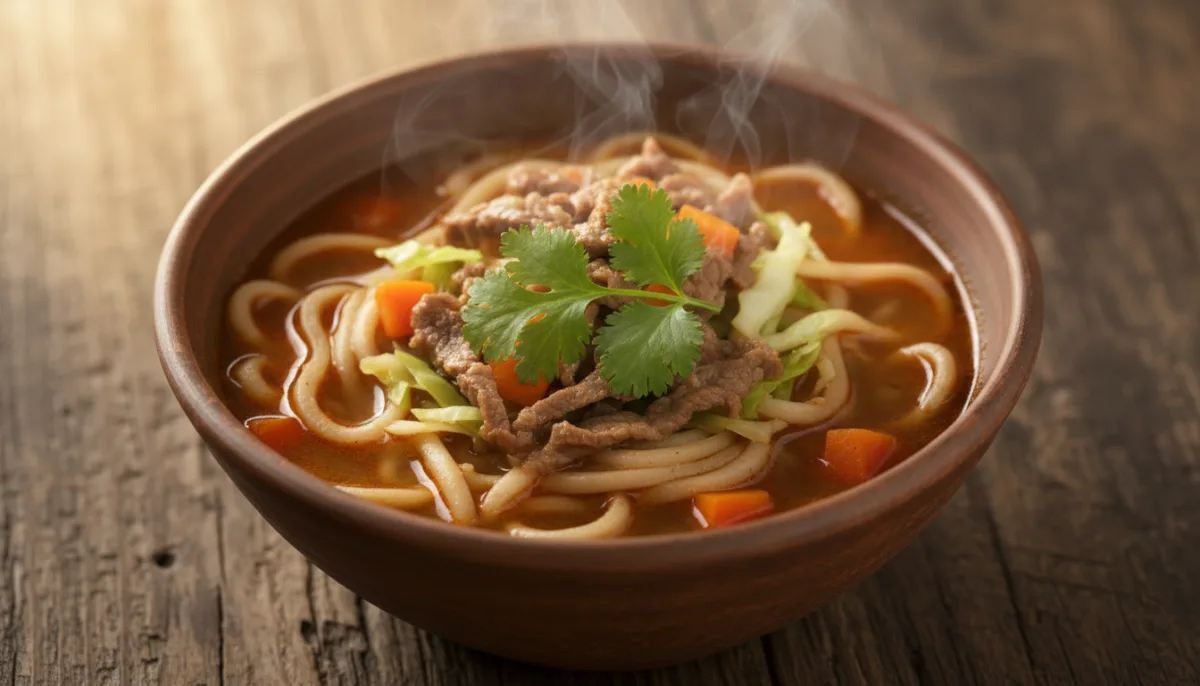
Discover a vibrant and satisfying lunch with this Tibetan-inspired dish. Chewy buckwheat noodles are perfectly complemented by a colorful array of crisp stir-fried vegetables, all brought together with a fragrant and spicy homemade chili oil. It's a quick and flavorful meal that's sure to become a favorite.

✎
HOW TO MAKE IT

Let's cook.

01

Cook the buckwheat noodles according to package directions until al dente. Drain well and rinse with cold water to prevent sticking. Set aside.

02

Heat 2 tablespoons of vegetable oil in a large skillet or wok over medium-high heat. Add the julienned carrots, sliced bell pepper, and shredded cabbage. Stir-fry for 3-4 minutes until the vegetables are tender-crisp.

03

Add the minced garlic and grated ginger to the skillet. Stir-fry for 1 minute until fragrant.

04

Pour in the soy sauce and rice vinegar, stirring to combine with the vegetables. Cook for 1 minute.

05

Add the cooked buckwheat noodles to the skillet with the vegetables. Toss gently to combine everything, ensuring the noodles are coated with the sauce.

06

Remove from heat and drizzle with 2 tablespoons of chili oil. Toss again to distribute the chili oil evenly.

07

Divide the noodles and vegetables among serving bowls. Garnish with sliced green onions and serve immediately.

About This Recipe

Discover a vibrant and satisfying lunch with this Tibetan-inspired dish. Chewy buckwheat noodles are perfectly complemented by a colorful array of crisp stir-fried vegetables, all brought together with a fragrant and spicy homemade chili oil. It's a quick and flavorful meal that's sure to become a favorite.
Hearty Tibetan Buckwheat Noodles with Stir-fried Vegetables and Chili Oil
Simple ingredients.
Big flavor.
✦
♨

Chef's Tips

For extra protein, add cooked chicken, tofu, or shrimp to the stir-fry along with the noodles. Adjust the amount of chili oil to your preferred spice level.
↔

Easy Substitutions

You can use other quick-cooking vegetables like snow peas, broccoli florets, or mushrooms. Tamari can replace soy sauce for a gluten-free option. Sesame oil can be used in place of vegetable oil for a nuttier flavor.
▱

Storage & Reheating

Store leftover noodles in an airtight container in the refrigerator for up to 2 days. Reheat gently in a microwave or on the stovetop with a splash of water or broth to prevent drying.

Serving Suggestions

Serve this dish as a light lunch or a side dish with grilled meats. A sprinkle of toasted sesame seeds adds a nice crunch. Pair it with a simple clear soup or a fresh cucumber salad for a complete meal.

Common Mistakes

Overcooking the noodles: This leads to a mushy texture. Cook only until al dente. Overcrowding the pan: Stir-frying in batches if your skillet is too small will ensure vegetables cook evenly and get a nice sear instead of steaming. Not rinsing noodles: Skipping the cold water rinse makes noodles sticky and clumpy. Too much sauce: Start with the recommended amount and add more to taste, as too much can make the dish overly salty or wet.

Frequently Asked Questions

Can I make this dish ahead of time?

While best served fresh, you can prep the vegetables and sauce ahead of time. Cook the noodles just before serving for the best texture.


What kind of chili oil should I use?

Any good quality store-bought chili oil works. For a homemade version, infuse hot oil with dried chilies, Sichuan peppercorns, and garlic.

Are buckwheat noodles gluten-free?

Pure buckwheat noodles are gluten-free, but many soba noodles contain a percentage of wheat flour. Check the label if you have a gluten sensitivity.
MORE TO KNOW
Achieving the perfect texture for buckwheat noodles is key. Overcooking can make them mushy, while undercooking leaves them too firm. Always follow package instructions closely and rinse with cold water after draining to halt the cooking process and remove excess starch, which prevents them from clumping together. This step is crucial for a pleasant noodle texture in stir-fries.
WHAT PEOPLE THINK

Reviews

☆

No reviews yet

Be the first person to review this recipe.

SHARE YOUR THOUGHTS

Made this recipe?

Tell us how it turned out.

Your review will be checked before appearing publicly.