Home › Recipes › Breakfast ›Thai ›Pa Thong Ko: Thai Fried Doughnuts with Sweet Condensed Milk Dip
BREAKFAST

Pa Thong Ko: Thai Fried Doughnuts with Sweet Condensed Milk Dip

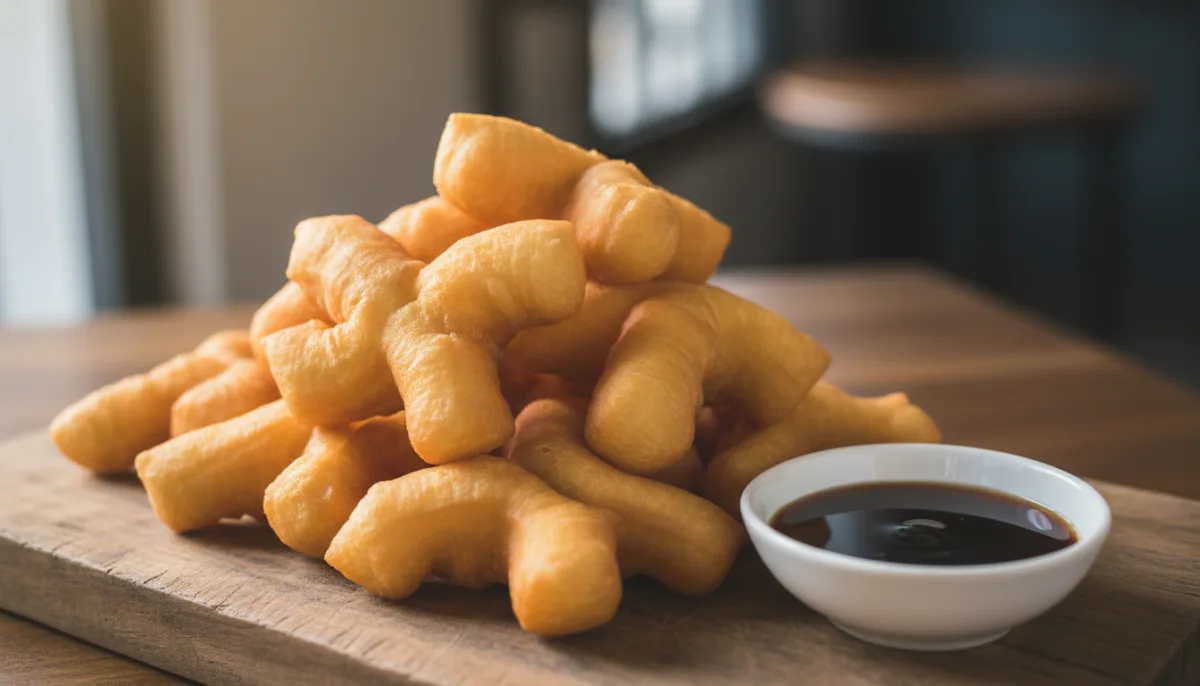
Experience the joy of Pa Thong Ko, Thailand's beloved fried doughnuts. These light, airy, and subtly chewy treats are a staple for breakfast or a delightful snack, traditionally enjoyed with a luscious condensed milk dip.

✎
HOW TO MAKE IT

Let's cook.

01

In a large bowl, whisk together the all-purpose flour, active dry yeast, baking powder, salt, and sugar.

02

Gradually add the warm water to the dry ingredients, mixing until a shaggy dough forms. Knead the dough on a lightly floured surface for 5-7 minutes until it is smooth and elastic.

03

Place the dough in a lightly oiled bowl, cover with plastic wrap, and let it rest in a warm place for 30 minutes. The dough will slightly rise but not double.

04

On a lightly floured surface, gently roll out the dough to about 1/4-inch thickness. Cut the dough into rectangles approximately 1x3 inches.

05

Heat the vegetable oil in a deep pot or Dutch oven over medium-high heat until it reaches 350°F (175°C).

06

Carefully drop a few dough rectangles into the hot oil, ensuring not to overcrowd the pot. Fry for 1-2 minutes per side, or until golden brown and puffed. Use tongs to flip them.

07

Remove the fried doughnuts with a slotted spoon and place them on a wire rack lined with paper towels to drain excess oil.

08

Serve the warm Thai Fried Doughnuts immediately with a side of sweetened condensed milk for dipping.

About This Recipe

Experience the joy of Pa Thong Ko, Thailand's beloved fried doughnuts. These light, airy, and subtly chewy treats are a staple for breakfast or a delightful snack, traditionally enjoyed with a luscious condensed milk dip.
Pa Thong Ko: Thai Fried Doughnuts with Sweet Condensed Milk Dip
Simple ingredients.
Big flavor.
✦
♨

Chef's Tips

Ensure your oil is at the correct temperature for even cooking and a crispy exterior. If the oil is too cool, the doughnuts will be greasy; if too hot, they will brown too quickly and remain raw inside.
↔

Easy Substitutions

For a slightly different flavor, you can add 1/4 teaspoon of vanilla extract to the dough. If you don't have condensed milk, a simple syrup or honey can be used as a dip.
▱

Storage & Reheating

Pa Thong Ko are best enjoyed fresh. If you have leftovers, store them in an airtight container at room temperature for up to 1 day. Reheat briefly in a toaster oven for a few minutes to regain some crispness.

Serving Suggestions

Serve these doughnuts with a hot cup of Thai iced tea or coffee for an authentic breakfast experience. They also pair wonderfully with a small bowl of pandan custard or a sprinkle of powdered sugar.

Common Mistakes

1. Over-kneading the dough: This can lead to tough doughnuts. Knead just until smooth and elastic. 2. Oil temperature too low: Results in greasy, heavy doughnuts. Use a thermometer to maintain 350°F (175°C). 3. Overcrowding the pot: Lowers oil temperature and causes uneven cooking. Fry in small batches. 4. Not draining properly: Leads to oily doughnuts. Always use a wire rack over paper towels. 5. Letting the dough rise too long: While some rise is good, too much can make them too airy and fragile.

Frequently Asked Questions

Can I make the dough ahead of time?

You can prepare the dough and let it rest in the refrigerator overnight after the initial 30-minute rise. Bring it to room temperature for about 30 minutes before rolling and frying.


What if I don't have active dry yeast?

You can use instant yeast; simply mix it directly with the dry ingredients without proofing.

Can I bake these instead of frying?

While you could bake them, the texture would be significantly different from traditional Pa Thong Ko, which are characterized by their fried crispness and airy interior. Frying is essential for authenticity.
MORE TO KNOW
The key to light and airy Pa Thong Ko is not overworking the dough after the initial kneading and ensuring the oil temperature is just right. The short resting time allows the yeast to activate enough to create a tender crumb without developing too much gluten, which would make the doughnuts dense. When frying, gently stretch each dough piece slightly before dropping it into the oil to encourage more puffiness.
WHAT PEOPLE THINK

Reviews

☆

No reviews yet

Be the first person to review this recipe.

SHARE YOUR THOUGHTS

Made this recipe?

Tell us how it turned out.

Your review will be checked before appearing publicly.