Home›Recipes›Lunch›Taiwanese›Taiwanese Cabbage Stir-fry with Dried Shrimp
LUNCH
Taiwanese Cabbage Stir-fry with Dried Shrimp
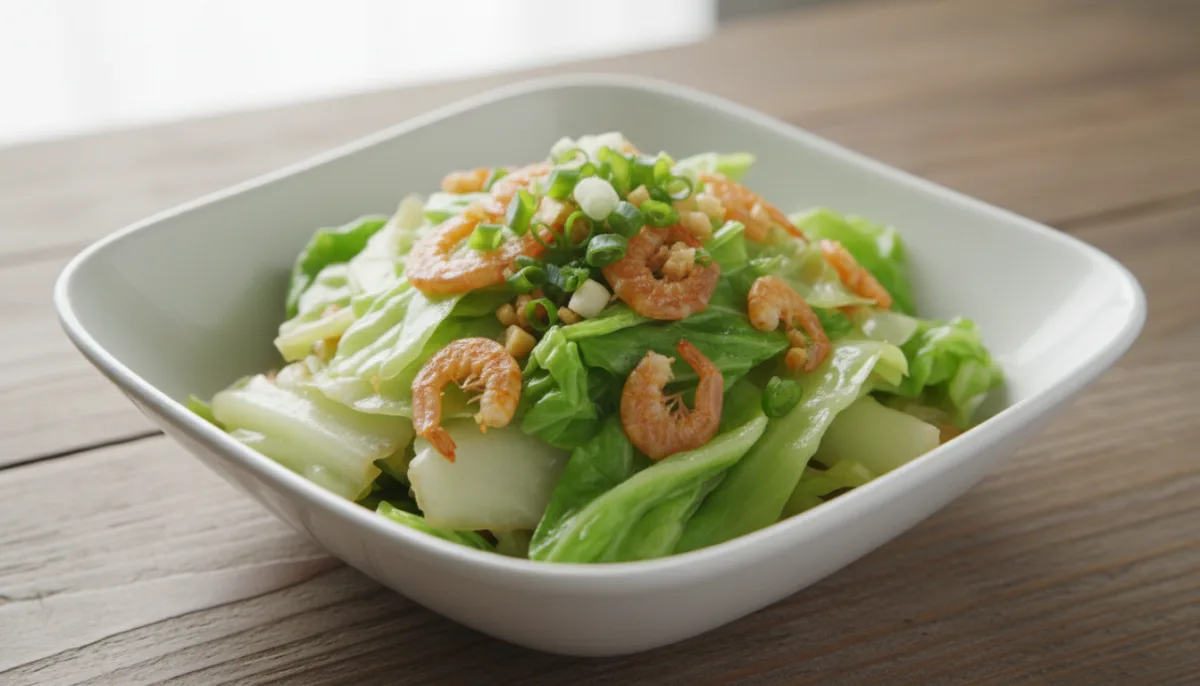
This simple yet flavorful Taiwanese Cabbage Stir-fry with Dried Shrimp is a quick and satisfying lunch option. Sweet cabbage is stir-fried with aromatic garlic and savory dried shrimp, creating a delightful balance of textures and tastes.
Rinse the dried shrimp and soak them in warm water for 10 minutes. Drain well and set aside. Cut the cabbage into 1-inch pieces and mince the garlic.
02
Heat 1 tablespoon of vegetable oil in a large wok or skillet over medium-high heat until shimmering.
03
Add the minced garlic and drained dried shrimp to the wok. Stir-fry for 1 minute until fragrant.
04
Add the chopped cabbage to the wok. Stir-fry for 3-4 minutes, tossing frequently, until the cabbage starts to soften slightly.
05
Pour in the 1/4 cup of water, soy sauce, and white pepper. Stir well to combine.
06
Cover the wok and cook for 3-5 minutes, or until the cabbage is tender-crisp. Stir occasionally.
07
Remove the lid, stir once more, and serve immediately.
About This Recipe
This simple yet flavorful Taiwanese Cabbage Stir-fry with Dried Shrimp is a quick and satisfying lunch option. Sweet cabbage is stir-fried with aromatic garlic and savory dried shrimp, creating a delightful balance of textures and tastes.
Simple ingredients. Big flavor.✦
♨
Chef's Tips
For extra flavor, you can add a pinch of sugar to balance the savory notes. Adjust the amount of dried shrimp to your preference; more shrimp will yield a stronger umami flavor. Ensure your wok or skillet is hot before adding ingredients for a proper stir-fry.
↔
Easy Substitutions
If dried shrimp are unavailable, you can use 1 tablespoon of shrimp paste (diluted in a little water) or a pinch of MSG for umami. For a vegetarian version, omit the dried shrimp and add sliced shiitake mushrooms for depth. You can also use napa cabbage instead of green cabbage.
▱
Storage & Reheating
Store any leftover stir-fry in an airtight container in the refrigerator for up to 2 days. Reheat gently in a microwave or on the stovetop with a splash of water to prevent drying out.
Serving Suggestions
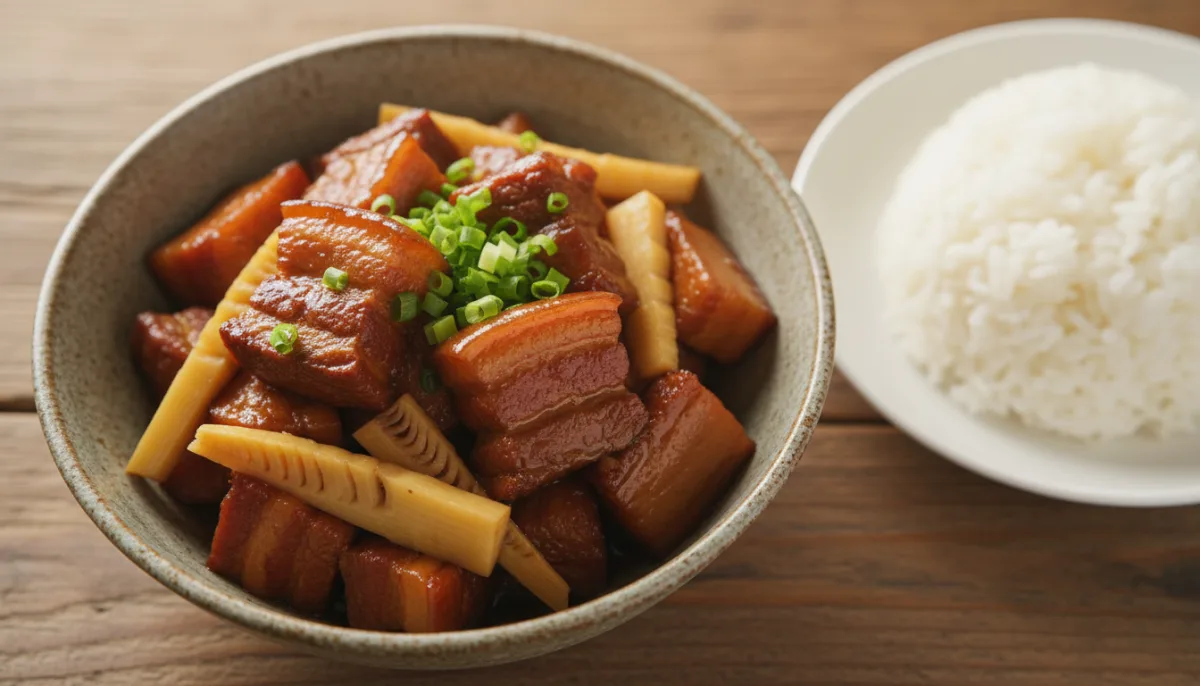
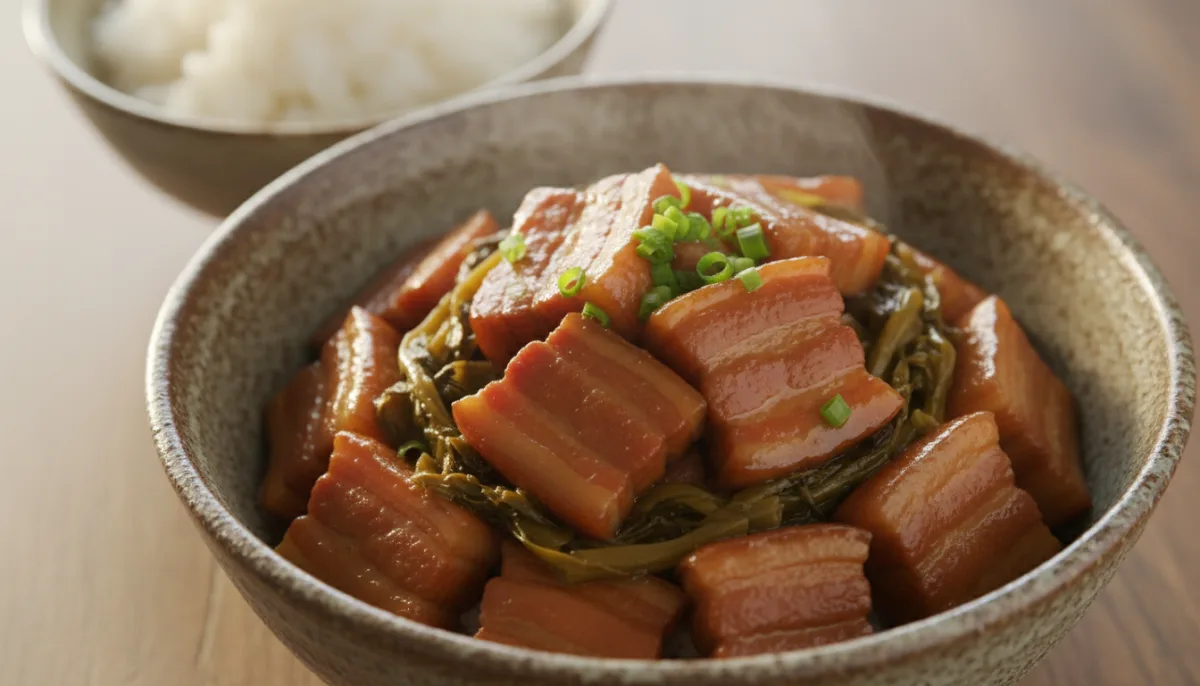
Serve this Taiwanese Cabbage Stir-fry with Dried Shrimp alongside a bowl of steamed white rice for a complete and satisfying meal. It also pairs wonderfully with other Taiwanese side dishes like braised pork belly (Lu Rou Fan) or a simple egg drop soup. For a lighter meal, enjoy it on its own.
Common Mistakes
Overcooking the cabbage: This will result in a soggy texture. Cook until tender-crisp, not mushy. Not soaking the dried shrimp: Soaking rehydrates them and removes excess salt, ensuring better flavor and texture. Overcrowding the pan: This lowers the temperature and steams the vegetables instead of stir-frying them, leading to a less desirable texture. Not heating the wok sufficiently: A hot wok is crucial for achieving the characteristic 'wok hei' (breath of the wok) flavor.
Frequently Asked Questions
Can I use fresh shrimp instead of dried shrimp?
While fresh shrimp will add flavor, dried shrimp provide a more concentrated, umami-rich taste that is traditional for this recipe. If using fresh, add them after the garlic and cook until pink before adding the cabbage.
What kind of soy sauce should I use?
Light soy sauce (or regular soy sauce) is typically used in Taiwanese cooking for its saltiness and color. Dark soy sauce would make the dish too dark and sweet.
Can I add other vegetables?
Yes, feel free to add other quick-cooking vegetables like sliced carrots, bell peppers, or snow peas. Add them along with the cabbage or slightly before, depending on their cooking time.
MORE TO KNOW
The key to a good stir-fry is high heat and quick cooking to maintain the vegetables' crispness. Don't overcrowd your wok; if you're making a larger batch, stir-fry the cabbage in two separate portions to ensure even cooking and proper browning. The dried shrimp provide a unique savory depth that is characteristic of many Taiwanese dishes, so don't skip them if you can find them!