Home › Recipes › Breakfast ›Sri Lankan ›Sri Lankan Coconut Roti with Sambol and Seeni Sambol
BREAKFAST

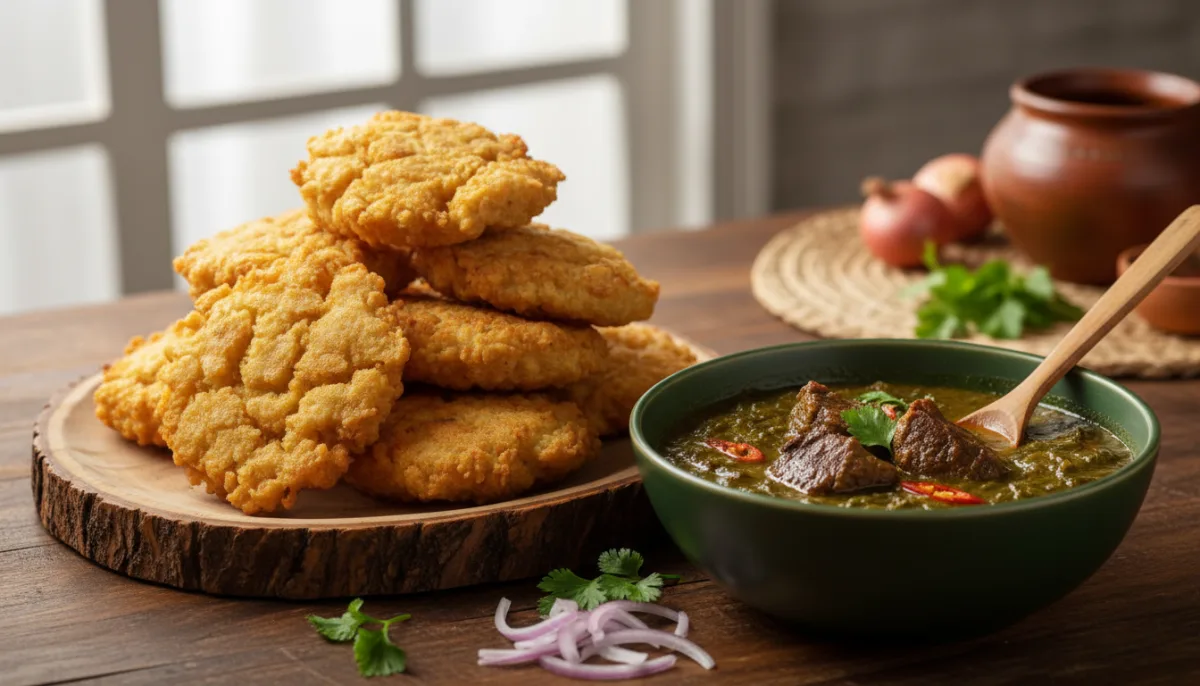
Sri Lankan Coconut Roti with Sambol and Seeni Sambol

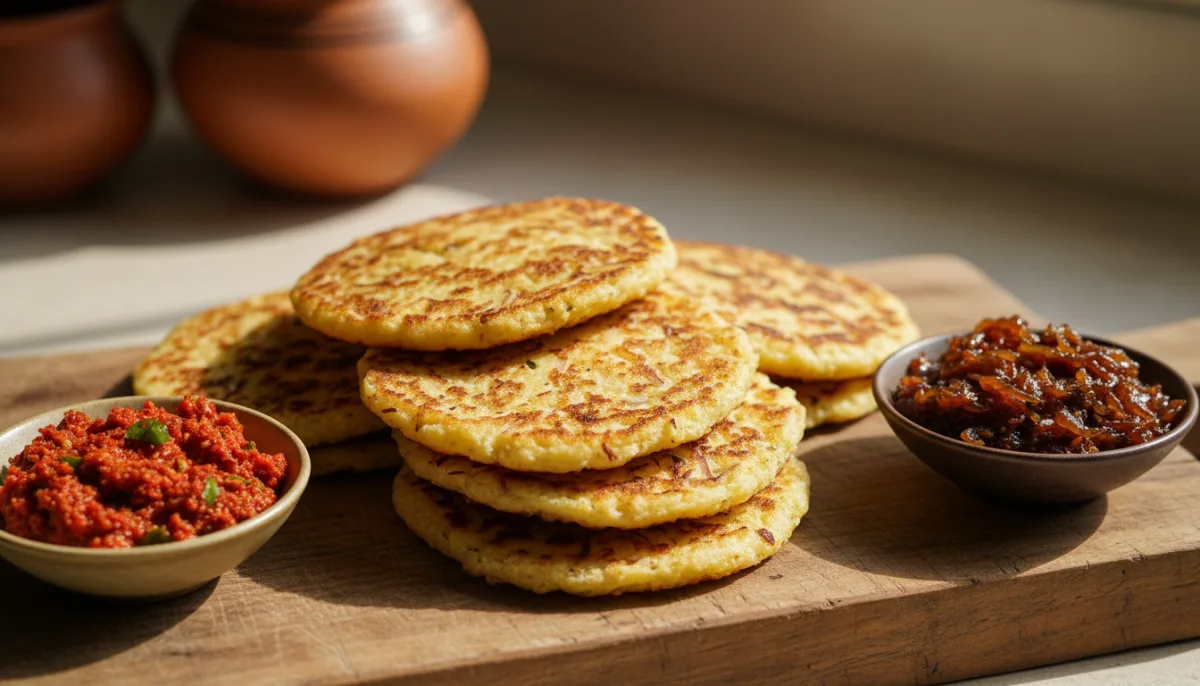
Enjoy a taste of Sri Lanka with these flavorful coconut rotis, served alongside a vibrant fresh sambol and a sweet-spicy seeni sambol. This breakfast offers a delightful balance of textures and tastes, perfect for a unique morning meal.

✎
HOW TO MAKE IT

Let's cook.

01

Combine 2 cups all-purpose flour, 1 cup freshly grated coconut, and 1/2 teaspoon salt in a large bowl. Gradually add 1/2 cup warm water, mixing until a soft, pliable dough forms. Knead for 5 minutes on a lightly floured surface.

02

Divide the dough into 8 equal portions. Roll each portion into a thin, round roti, about 6 inches in diameter.

03

Heat 1 tablespoon vegetable oil in a non-stick pan or griddle over medium heat. Cook each roti for 2-3 minutes per side, or until golden brown and cooked through.

04

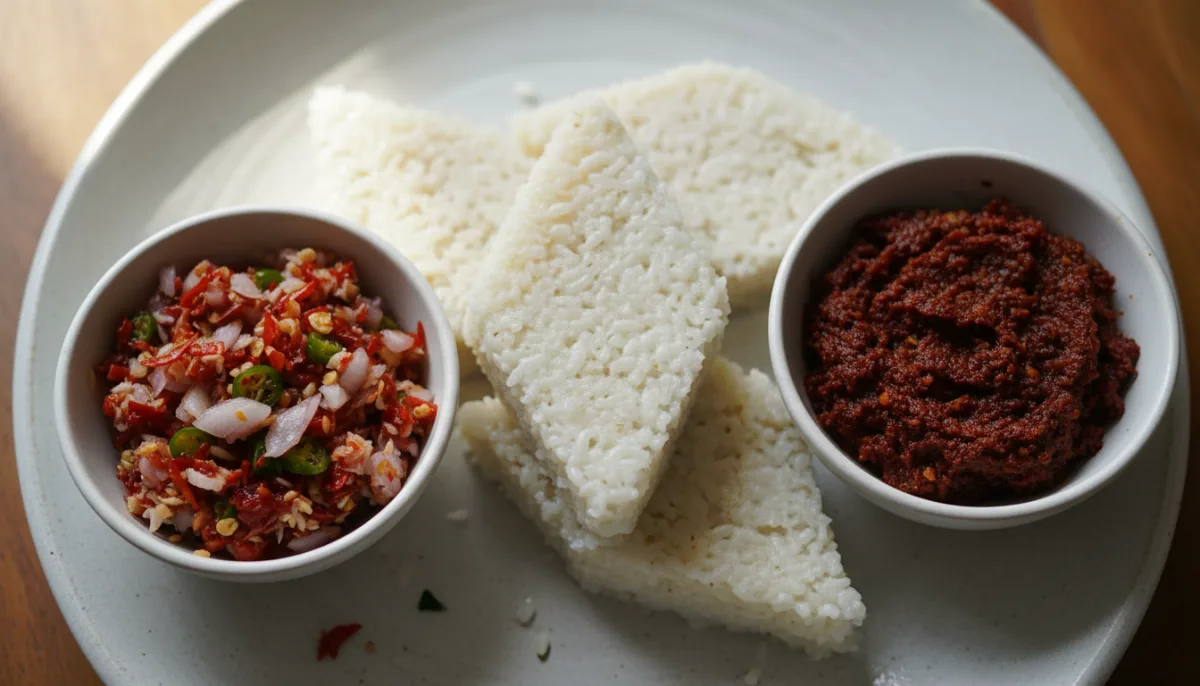
For the fresh sambol, combine 1 cup finely chopped red onion, 1/4 cup soaked and ground dried red chilies, and 1 tablespoon lime juice in a small bowl. Mix well and season with a pinch of salt.

05

For the seeni sambol, sauté 1 cup finely chopped red onion in a separate pan with a splash of oil over medium-low heat for 5 minutes, until softened. Add 1 tablespoon sugar and 1/2 teaspoon chili powder, cooking for another 3-5 minutes until the onions are caramelized and fragrant.

06

Serve the warm coconut rotis immediately with both the fresh sambol and the seeni sambol.

About This Recipe

Enjoy a taste of Sri Lanka with these flavorful coconut rotis, served alongside a vibrant fresh sambol and a sweet-spicy seeni sambol. This breakfast offers a delightful balance of textures and tastes, perfect for a unique morning meal.
Sri Lankan Coconut Roti with Sambol and Seeni Sambol
Simple ingredients.
Big flavor.
✦
♨

Chef's Tips

For extra flavor in the roti, you can add a pinch of turmeric powder to the dough. If fresh grated coconut is unavailable, use desiccated coconut rehydrated with a little warm water.
↔

Easy Substitutions

If dried red chilies are too spicy, use fresh red chilies or a smaller amount of chili powder. For a vegetarian option, ensure no animal-derived oils are used in cooking. You can substitute lime juice with lemon juice for the sambol.
▱

Storage & Reheating

Leftover rotis can be stored in an airtight container at room temperature for up to 1 day or refrigerated for up to 3 days. Reheat on a dry pan over medium heat until warm. Sambols should be refrigerated in separate airtight containers for up to 2-3 days.

Serving Suggestions

Serve these rotis with a side of Sri Lankan dhal curry for a complete breakfast. They also pair wonderfully with a fried egg or a simple cup of Ceylon tea. For a heartier meal, add some fish ambul thiyal. You can also enjoy them as a snack with just the sambols.

Common Mistakes

1. Over-kneading the dough: This can make the rotis tough. Knead just enough until the dough is smooth and pliable. 2. Not enough water in the dough: This results in dry, crumbly rotis that are hard to roll. Add water gradually until the dough is soft. 3. Too much flour when rolling: This can make the rotis dry. Use minimal flour to prevent sticking. 4. Cooking on too high heat: This burns the outside before the inside cooks. Use medium heat for even cooking. 5. Not finely chopping onions for sambol: Large pieces can make the texture inconsistent and less enjoyable.

Frequently Asked Questions

Can I make the roti dough ahead of time?

Yes, you can prepare the dough, wrap it tightly in plastic wrap, and refrigerate it for up to 24 hours. Let it come to room temperature before rolling and cooking.


What is the difference between fresh sambol and seeni sambol?

Fresh sambol (pol sambol) is typically made with fresh ingredients like coconut, chilies, and lime, offering a bright, spicy, and tangy flavor. Seeni sambol is a caramelized onion relish, often sweet, spicy, and savory, with a deeper, richer flavor profile.

Can I freeze coconut rotis?

Yes, cooked rotis can be frozen. Stack them with parchment paper in between, wrap tightly, and freeze for up to 1 month. Reheat directly from frozen on a dry pan.

Is freshly grated coconut essential?

While freshly grated coconut provides the best flavor and texture, you can use desiccated coconut rehydrated with warm water if fresh is unavailable. The taste will be slightly different but still delicious.
MORE TO KNOW
Achieving the perfect texture for Sri Lankan coconut roti involves a balance of moisture in the dough. It should be soft and pliable, not sticky or too dry. If your dough is too sticky, add a little more flour, a tablespoon at a time. If it's too dry and crumbly, add warm water, a teaspoon at a time, until it comes together. Kneading is crucial for developing the gluten, which gives the roti its characteristic chewiness. When cooking, ensure your pan is hot enough to brown the roti quickly without drying it out, but not so hot that it burns before cooking through. The seeni sambol benefits from slow caramelization of the onions, which brings out their natural sweetness and deepens the flavor.
WHAT PEOPLE THINK

Reviews

☆

No reviews yet

Be the first person to review this recipe.

SHARE YOUR THOUGHTS

Made this recipe?

Tell us how it turned out.

Your review will be checked before appearing publicly.