Home › Recipes › Breakfast ›Sri Lankan ›Creamy Sri Lankan Kiribath with Kithul Treacle and Fresh Fruit
BREAKFAST

Creamy Sri Lankan Kiribath with Kithul Treacle and Fresh Fruit

Kiribath, or milk rice, is a traditional Sri Lankan dish often served for special occasions. This recipe elevates the classic with a drizzle of rich kithul treacle and a vibrant assortment of fresh fruit, making it a delightful and wholesome breakfast.

✎
HOW TO MAKE IT

Let's cook.

01

Rinse the short-grain rice thoroughly under cold running water until the water runs clear. This removes excess starch and prevents stickiness.

02

Combine the rinsed rice and 2 cups of water in a medium saucepan. Bring to a boil over medium-high heat, then reduce heat to low, cover, and simmer for 15 minutes, or until most of the water has been absorbed.

03

Stir in the full-fat coconut milk and salt. Increase the heat to medium-low and cook, uncovered, stirring occasionally, for another 10-15 minutes, or until the rice is very soft and creamy, and the coconut milk has been fully absorbed.

04

Remove the saucepan from the heat and let it rest, covered, for 5 minutes. This allows the kiribath to set slightly and become even creamier.

05

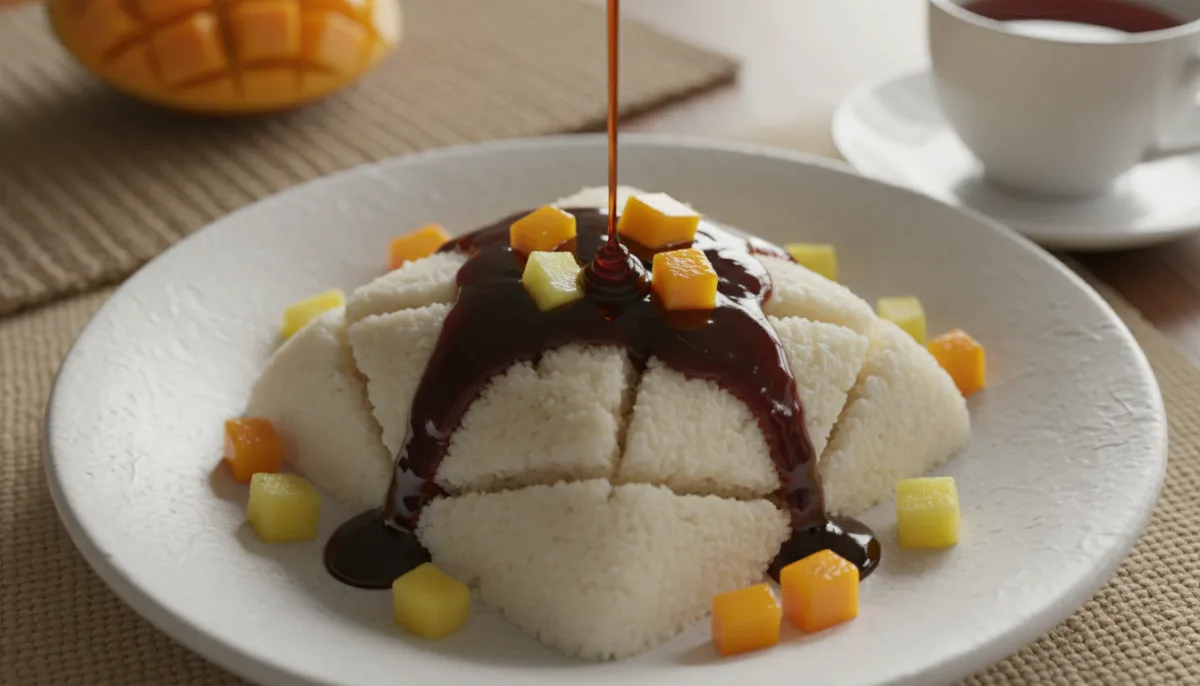
Spoon the warm kiribath onto individual plates or a serving platter. Drizzle generously with kithul treacle and garnish with diced fresh mango and pineapple. Serve immediately.

About This Recipe

Kiribath, or milk rice, is a traditional Sri Lankan dish often served for special occasions. This recipe elevates the classic with a drizzle of rich kithul treacle and a vibrant assortment of fresh fruit, making it a delightful and wholesome breakfast.
Creamy Sri Lankan Kiribath with Kithul Treacle and Fresh Fruit
Simple ingredients.
Big flavor.
✦
♨

Chef's Tips

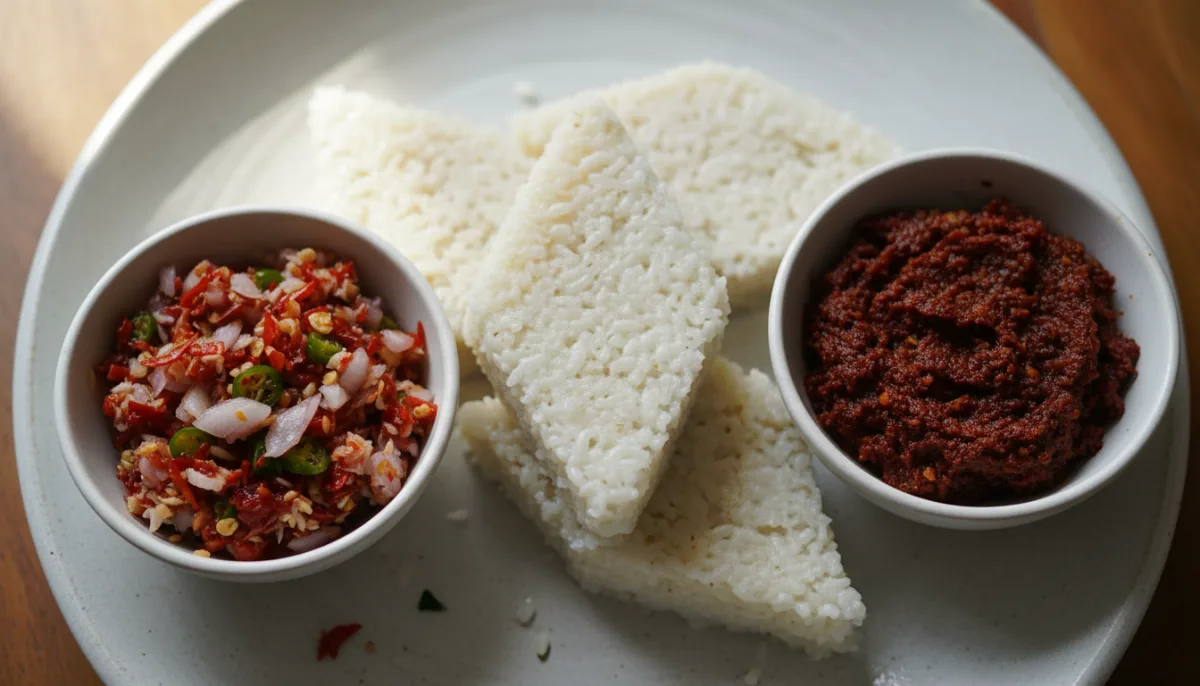
For a firmer kiribath, you can press it into a shallow dish and cut it into diamond shapes before serving. Adjust the amount of kithul treacle to your sweetness preference.
↔

Easy Substitutions

If kithul treacle is unavailable, you can use maple syrup or honey, though the flavor will be different. Other fresh fruits like bananas, papayas, or berries can be used instead of mango and pineapple.
▱

Storage & Reheating

Leftover kiribath can be stored in an airtight container in the refrigerator for up to 2 days. Reheat gently in a microwave or on the stovetop with a splash of coconut milk or water to restore creaminess.

Serving Suggestions

Serve individual portions of kiribath with a side of extra kithul treacle for those who prefer more sweetness. A sprinkle of toasted coconut flakes or chopped cashews can add a delightful crunch. Pair it with a cup of Ceylon tea for an authentic Sri Lankan breakfast experience. For a more elaborate spread, offer a small bowl of plain yogurt or curd alongside the fruit.

Common Mistakes

Not rinsing the rice: This can lead to overly sticky or gummy kiribath. Always rinse until the water runs clear. Cooking on high heat: High heat can cause the coconut milk to scorch and the rice to stick to the bottom of the pan. Maintain a low to medium-low simmer. Not stirring enough during the second cooking phase: The coconut milk needs to be absorbed evenly, and stirring prevents sticking and ensures creaminess. Overcooking the rice: The rice should be soft and creamy, not mushy. Keep an eye on it during the final cooking stage. Using light coconut milk: Full-fat coconut milk is essential for the rich, creamy texture of traditional kiribath.

Frequently Asked Questions

Can I use brown rice for kiribath?

While traditional kiribath uses white short-grain rice, you can experiment with brown short-grain rice. However, it will require longer cooking times and may result in a different texture.


What is kithul treacle?

Kithul treacle is a natural syrup made from the sap of the kithul palm tree, native to Sri Lanka. It has a unique flavor, often described as a mix of caramel and honey, and is a popular sweetener in Sri Lankan cuisine.

Can I make kiribath ahead of time?

Kiribath is best enjoyed fresh and warm. While you can store leftovers, the texture may become firmer upon refrigeration. Reheating with a little liquid can help restore its creaminess.
MORE TO KNOW
Kiribath is a staple in Sri Lankan culture, often prepared for New Year celebrations, birthdays, and other auspicious occasions. The short-grain rice is crucial for achieving the characteristic creamy, slightly sticky texture. The addition of kithul treacle, a natural sweetener derived from the sap of the fishtail palm, provides a unique caramel-like depth that perfectly complements the rich coconut milk. While traditionally served plain or with savory accompaniments, this recipe offers a sweet and refreshing twist with fresh tropical fruits, making it ideal for a modern breakfast or brunch.
WHAT PEOPLE THINK

Reviews

☆

No reviews yet

Be the first person to review this recipe.

SHARE YOUR THOUGHTS

Made this recipe?

Tell us how it turned out.

Your review will be checked before appearing publicly.