Home › Recipes › Lunch ›Eritrean ›Eritrean Spicy Beef and Potato Curry with Injera
LUNCH

Eritrean Spicy Beef and Potato Curry with Injera

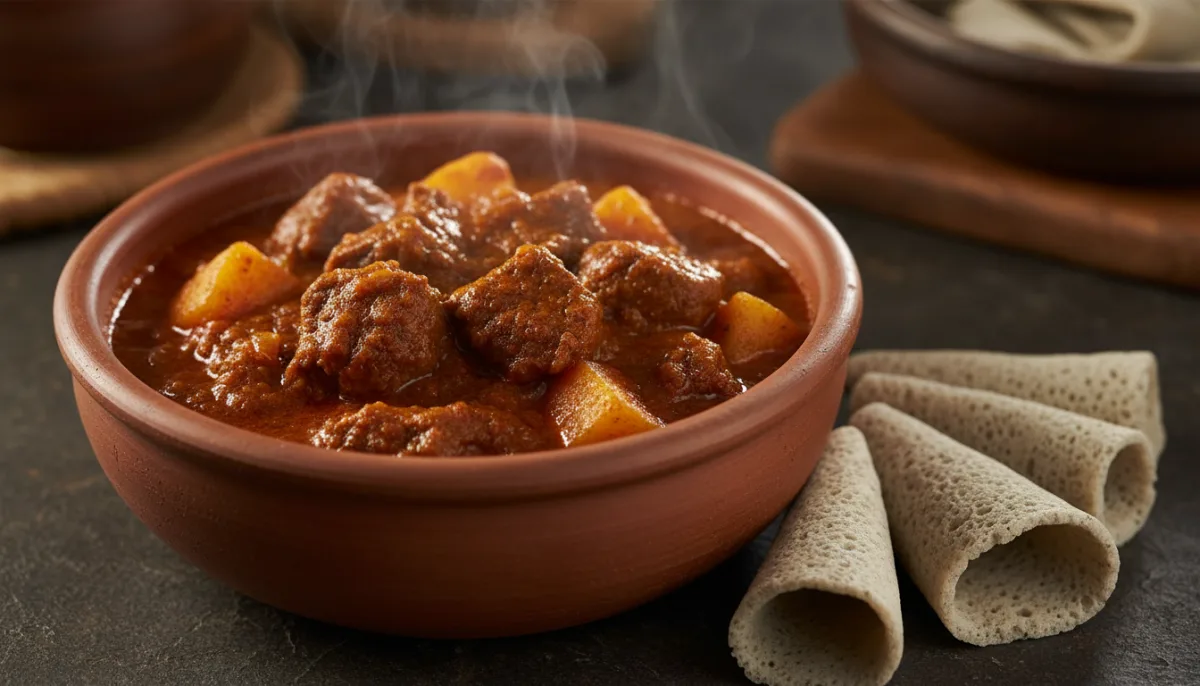
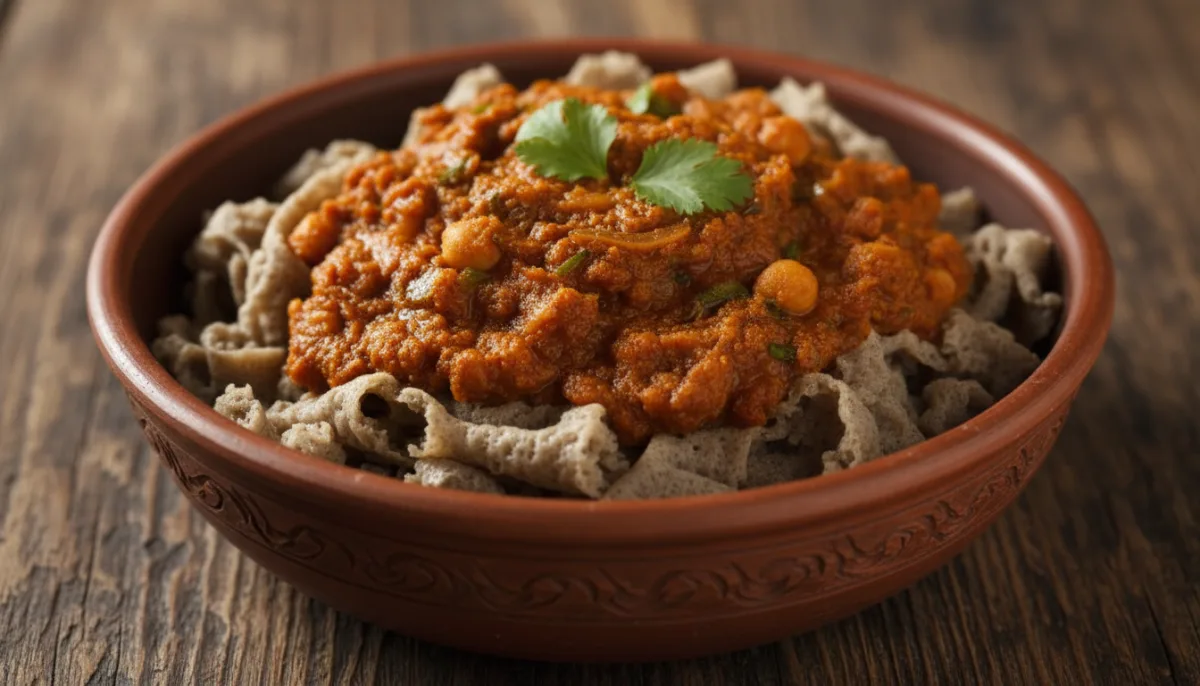
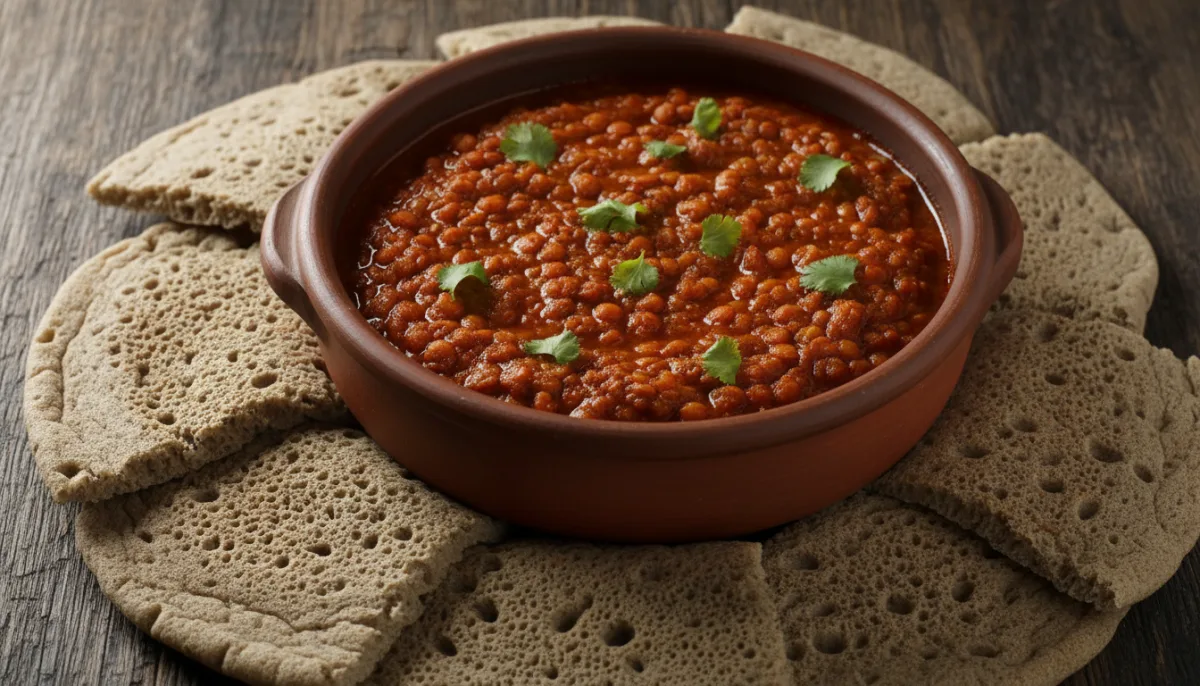
This hearty Eritrean curry, known as Tsebhi Sga, features tender beef and potatoes simmered in a rich, spicy berbere sauce. Served traditionally with spongy injera bread, it's a flavorful and satisfying meal perfect for lunch.

✎
HOW TO MAKE IT

Let's cook.

01

Heat vegetable oil in a large pot or Dutch oven over medium-high heat. Add beef stew meat and brown on all sides for 5-7 minutes. Remove beef and set aside.

02

Add chopped onion to the pot and cook over medium heat until softened and translucent, about 5-8 minutes. Add minced garlic and cook for another 1 minute until fragrant.

03

Stir in the berbere spice blend and cook for 2 minutes, stirring constantly, to toast the spices.

04

Return the browned beef to the pot. Pour in the beef broth and add the cubed potatoes and salt. Bring to a simmer.

05

Reduce heat to low, cover the pot, and let it simmer for 45-50 minutes, or until the beef is very tender and the potatoes are cooked through. Stir occasionally to prevent sticking.

06

Taste and adjust seasoning if necessary. The curry should be thick and rich.

07

Serve the Eritrean Spicy Beef and Potato Curry hot, with injera bread on the side for scooping.

About This Recipe

This hearty Eritrean curry, known as Tsebhi Sga, features tender beef and potatoes simmered in a rich, spicy berbere sauce. Served traditionally with spongy injera bread, it's a flavorful and satisfying meal perfect for lunch.
Eritrean Spicy Beef and Potato Curry with Injera
Simple ingredients.
Big flavor.
✦
♨

Chef's Tips

For a deeper flavor, you can marinate the beef in a tablespoon of berbere spice blend for at least 30 minutes before browning. If you prefer a thicker curry, mash a few potato cubes against the side of the pot during the last 10 minutes of cooking.
↔

Easy Substitutions

Chicken or lamb can be used instead of beef. For a vegetarian version, use chickpeas and sweet potatoes, adjusting cooking time as needed. If injera is unavailable, serve with rice or flatbread.
▱

Storage & Reheating

Store leftover curry in an airtight container in the refrigerator for up to 3 days. Reheat gently on the stovetop over medium-low heat, adding a splash of broth or water if it's too thick.

Serving Suggestions

Serve this curry family-style with a large platter of injera. Offer a side of fresh green salad with a light vinaigrette to balance the richness. A dollop of plain yogurt or sour cream can also be offered to temper the spice for those who prefer it milder. For a complete Eritrean meal, include a side of Hamli (collard greens).

Common Mistakes

Overcooking the potatoes can make them mushy; add them when the beef is partially tender. Not browning the beef sufficiently will result in less flavor. Not simmering long enough will leave the beef tough; ensure it's fork-tender before serving. Using too much liquid can make the curry watery; aim for a thick, rich consistency.

Frequently Asked Questions

What is injera?

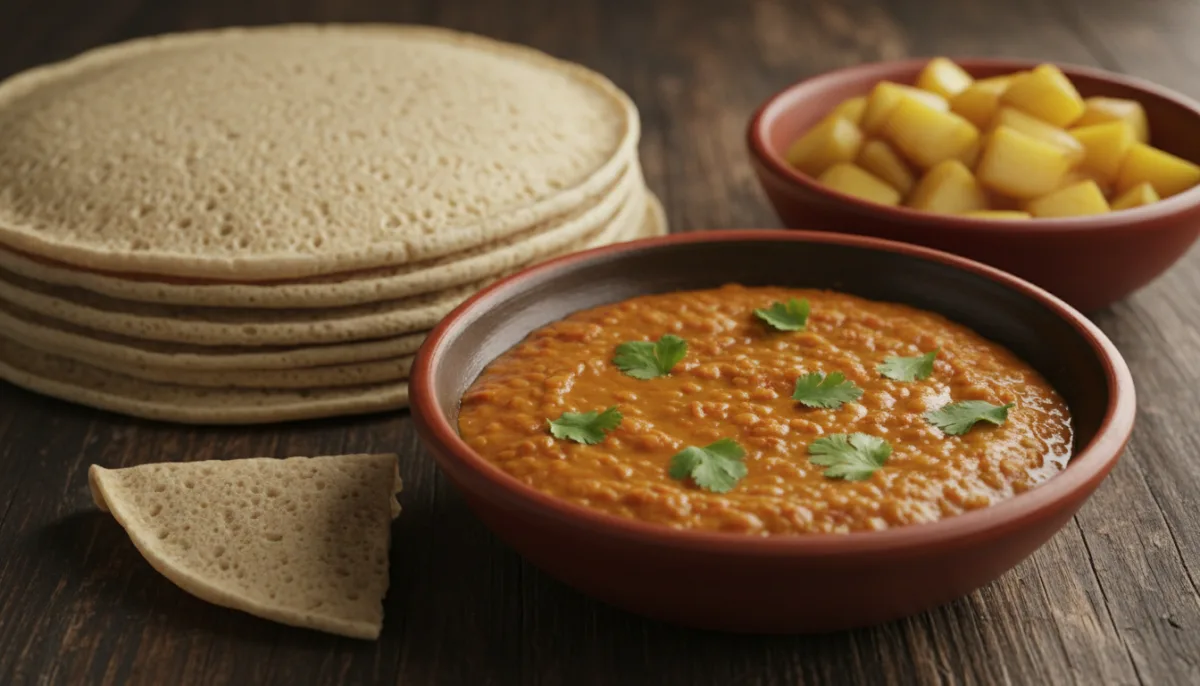
Injera is a spongy, sourdough-risen flatbread with a unique, slightly tangy taste, traditionally made from teff flour. It's a staple in Eritrean and Ethiopian cuisine, used to scoop up stews and curries.


Can I make this curry less spicy?

Yes, you can reduce the amount of berbere spice blend to 1-2 tablespoons, or use a milder version of the blend. You can also add a touch of plain yogurt or coconut milk at the end of cooking to mellow the heat.

Can I freeze this curry?

Yes, this curry freezes well. Allow it to cool completely, then transfer to freezer-safe containers. It can be frozen for up to 3 months. Thaw overnight in the refrigerator and reheat as directed.
MORE TO KNOW
Berbere is a cornerstone of Eritrean and Ethiopian cuisine, a complex spice blend that provides both heat and aromatic depth. While pre-made berbere is convenient, making your own allows for customization of spice levels. A good berbere blend typically includes chili peppers, garlic, ginger, basil, korarima, rue, ajwain, nigella, and fenugreek. The slow simmering process in this recipe is crucial for tenderizing the beef and allowing the flavors to meld beautifully.
WHAT PEOPLE THINK

Reviews

☆

No reviews yet

Be the first person to review this recipe.

SHARE YOUR THOUGHTS

Made this recipe?

Tell us how it turned out.

Your review will be checked before appearing publicly.