Home › Recipes › Lunch ›Eritrean ›Eritrean Chicken Stew (Tsebhi Dorho) with Hard-Boiled Eggs and Injera
LUNCH

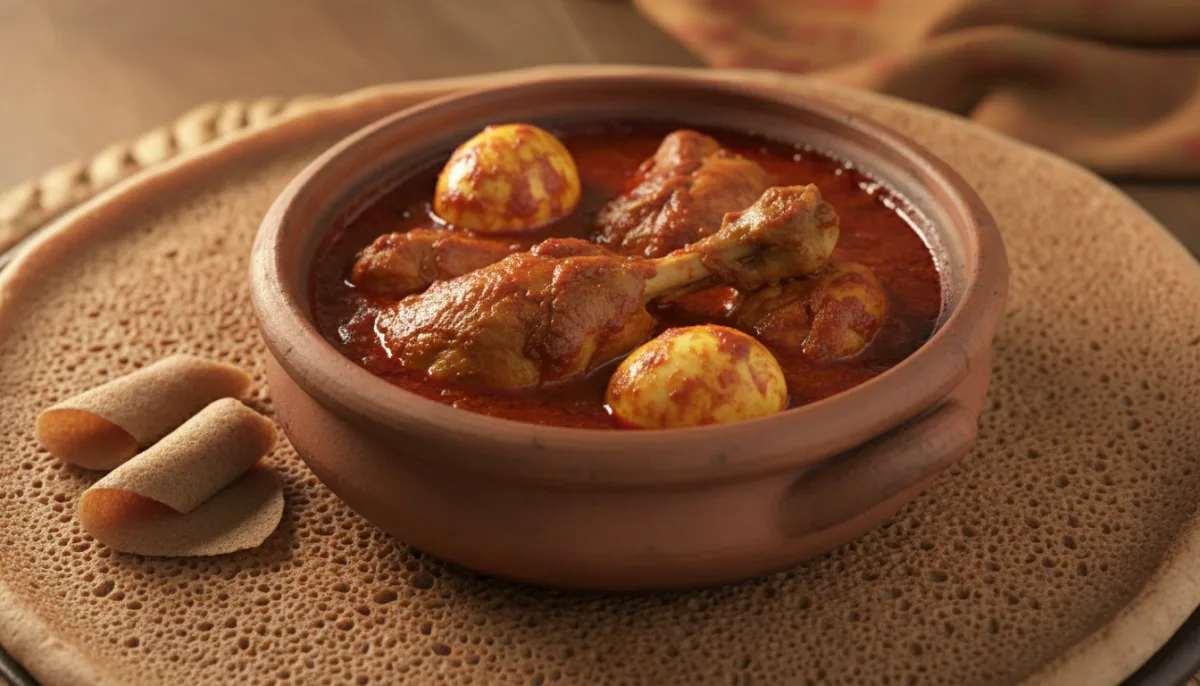
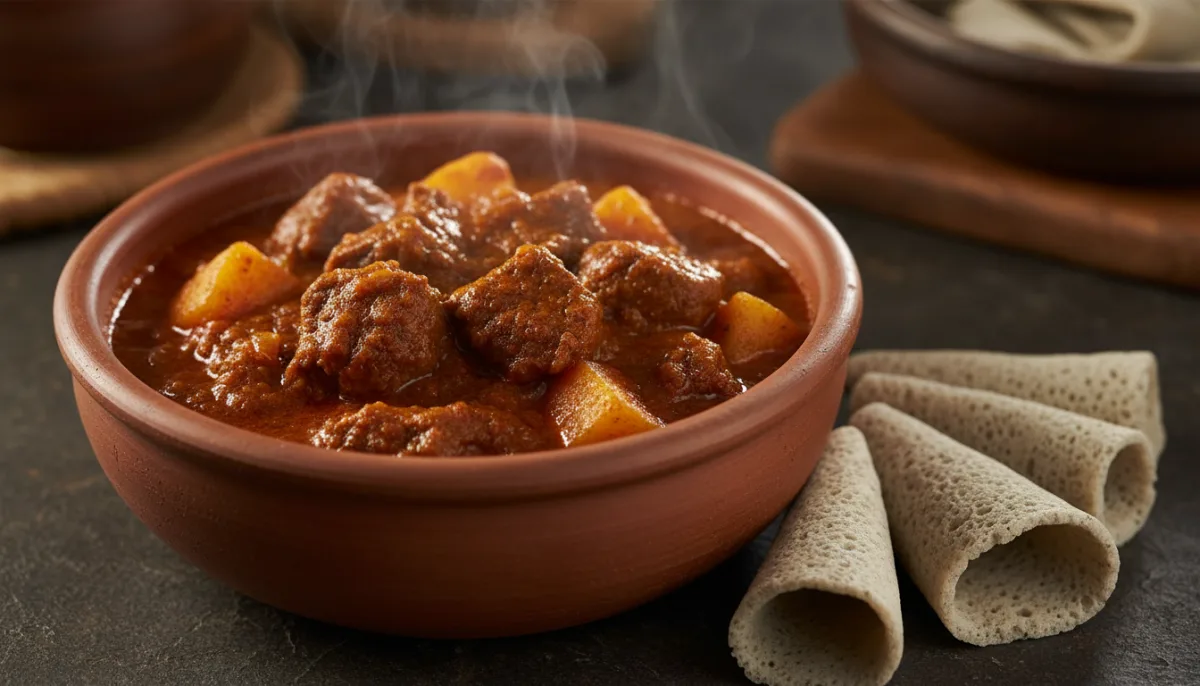
Eritrean Chicken Stew (Tsebhi Dorho) with Hard-Boiled Eggs and Injera

Discover the vibrant, deeply spiced flavors of Eritrea with this authentic Tsebhi Dorho. This hearty chicken stew, slow-simmered to perfection, is traditionally served with tender hard-boiled eggs and fluffy injera bread, offering a truly immersive culinary experience.

✎
HOW TO MAKE IT

Let's cook.

01

Pat the chicken pieces dry and season them with 1/2 teaspoon salt.

02

In a large heavy-bottomed pot or Dutch oven, heat the niter kibbeh (or clarified butter) over medium heat. Add the finely chopped onions and cook, stirring occasionally, for 15-20 minutes until they are very soft and translucent, almost melting. Do not brown them.

03

Add the minced garlic and grated ginger to the pot. Cook for 2 minutes until fragrant.

04

Stir in the berbere spice blend. Cook for 5-7 minutes, stirring constantly, to toast the spices and deepen their flavor. The mixture will be very thick.

05

Add the chicken pieces to the pot, turning to coat them thoroughly with the spice mixture. Pour in the chicken broth. Bring the stew to a simmer, then reduce the heat to low, cover, and cook for 40 minutes, or until the chicken is tender and cooked through.

06

Gently add the peeled hard-boiled eggs to the stew during the last 10 minutes of cooking, allowing them to warm through and absorb some of the stew's flavor.

07

Taste and adjust seasoning if necessary. Serve the Eritrean Tsebhi Dorho hot with fresh injera, using the injera to scoop up the stew and eggs.

About This Recipe

Discover the vibrant, deeply spiced flavors of Eritrea with this authentic Tsebhi Dorho. This hearty chicken stew, slow-simmered to perfection, is traditionally served with tender hard-boiled eggs and fluffy injera bread, offering a truly immersive culinary experience.
Eritrean Chicken Stew (Tsebhi Dorho) with Hard-Boiled Eggs and Injera
Simple ingredients.
Big flavor.
✦
♨

Chef's Tips

For a richer flavor, prepare the niter kibbeh (spiced clarified butter) a day in advance. The key to a good Tsebhi Dorho is patiently cooking the onions until they are very soft and almost caramelized, which forms the base of the stew's texture and sweetness.
↔

Easy Substitutions

If berbere spice blend is unavailable, you can create a similar flavor profile with a mix of paprika, cayenne pepper, ginger, garlic powder, coriander, cumin, and fenugreek. Clarified butter can be used in place of niter kibbeh, though it will lack the spiced notes. Chicken breasts can be used, but thighs offer more flavor and moisture.
▱

Storage & Reheating

Store leftover Tsebhi Dorho in an airtight container in the refrigerator for up to 3 days. Reheat gently on the stovetop over low heat, adding a splash of water or broth if needed to loosen the consistency. Injera is best consumed fresh but can be stored at room temperature for a day or two, or frozen for longer.

Serving Suggestions

Serve this stew family-style on a large platter with injera spread out beneath and around it. Offer a side of fresh green salad with a light vinaigrette to cut through the richness. A simple yogurt sauce or a sprinkle of fresh cilantro can also be a refreshing addition.

Common Mistakes

Undercooking the onions: The onions must be cooked until very soft and translucent, almost dissolving, to create the stew's signature texture. Rushing this step will result in a watery stew. Not toasting the berbere: Toasting the berbere spice blend for several minutes before adding liquids deepens its flavor and aroma significantly. Overcooking the chicken: While the stew simmers, ensure the chicken remains tender and moist. Overcooking can make it dry. Not seasoning properly: Taste and adjust salt and spice levels before serving, as berbere blends can vary in intensity.

Frequently Asked Questions

Can I make this stew vegetarian?

Yes, you can substitute the chicken with hearty vegetables like potatoes, carrots, and bell peppers, or use chickpeas and lentils for a protein-rich vegetarian version.


Where can I find injera?

Injera can often be found at African grocery stores, specialty food markets, or online. Some larger supermarkets may also carry it in their international foods section.

Is berbere spice very spicy?

Berbere can range from moderately spicy to very hot, depending on the blend. You can adjust the quantity to suit your preference or add a pinch of sugar to balance the heat if it's too intense.

Can I freeze Tsebhi Dorho?

Yes, the stew freezes well without the eggs. Store in an airtight container for up to 3 months. Thaw in the refrigerator overnight and reheat on the stovetop, adding freshly hard-boiled eggs before serving.
MORE TO KNOW
The foundation of Eritrean stews like Tsebhi Dorho lies in the slow cooking of onions and the use of berbere, a complex spice blend. This process, known as 'shiro' or 'tsebhi' preparation, develops a deep, rich flavor without relying on oil or fat for the initial sauté. The onions essentially melt down, creating a thick, flavorful base that emulsifies with the spices and liquids. This technique is crucial for achieving the authentic texture and taste of Eritrean cuisine.
WHAT PEOPLE THINK

Reviews

☆

No reviews yet

Be the first person to review this recipe.

SHARE YOUR THOUGHTS

Made this recipe?

Tell us how it turned out.

Your review will be checked before appearing publicly.