Home › Recipes › Dessert ›Chinese ›Sweet Fermented Rice Soup with Osmanthus Flowers
DESSERT

Sweet Fermented Rice Soup with Osmanthus Flowers

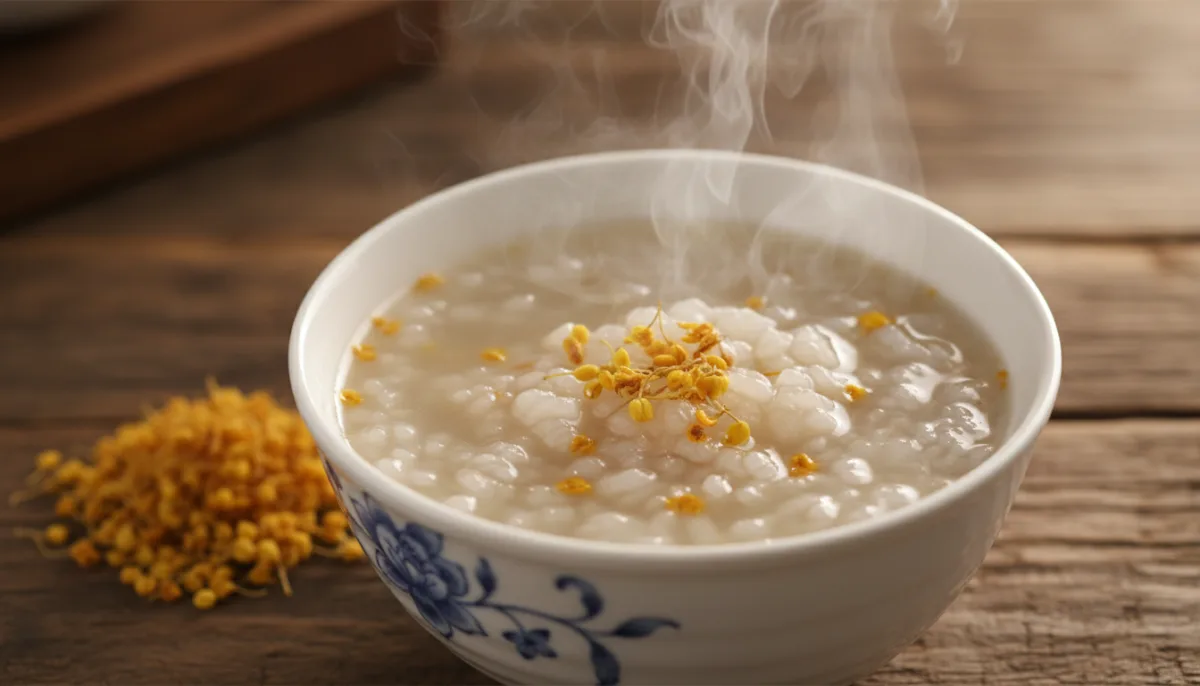
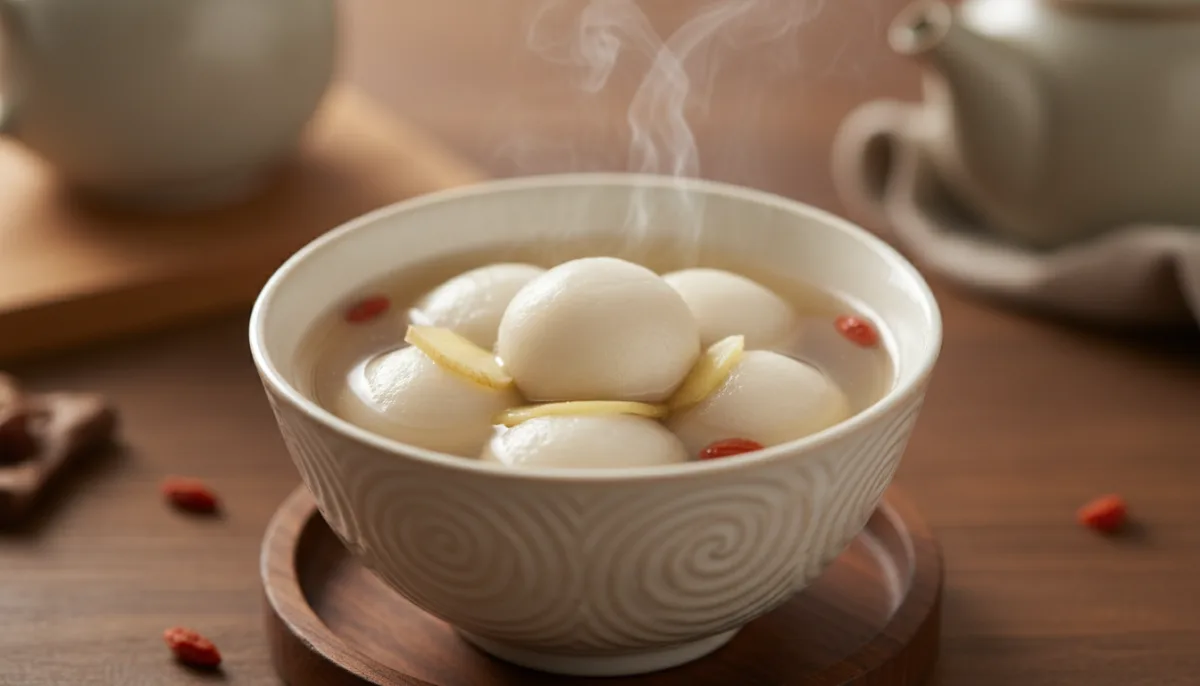
Experience a unique and comforting Chinese dessert with this sweet fermented glutinous rice soup. The subtle tang of the rice wine lees beautifully complements the fragrant dried osmanthus flowers and a hint of sweetness, creating a truly delicate and satisfying treat, best enjoyed warm.

✎
HOW TO MAKE IT

Let's cook.

01

In a medium saucepan, combine the sweet fermented glutinous rice (jiuniang) with its liquid and 3 cups of water. Bring the mixture to a gentle simmer over medium heat, stirring occasionally.

02

Once simmering, add the rock sugar and dried osmanthus flowers. Continue to simmer for 5 minutes, allowing the sugar to dissolve and the osmanthus aroma to infuse the soup.

03

In a small bowl, whisk together the cornstarch and 2 tablespoons of cold water to create a smooth slurry.

04

Slowly pour the cornstarch slurry into the simmering soup while stirring continuously. Cook for another 1-2 minutes, or until the soup slightly thickens to your desired consistency.

05

Remove the saucepan from the heat. Ladle the warm soup into individual serving bowls and serve immediately.

About This Recipe

Experience a unique and comforting Chinese dessert with this sweet fermented glutinous rice soup. The subtle tang of the rice wine lees beautifully complements the fragrant dried osmanthus flowers and a hint of sweetness, creating a truly delicate and satisfying treat, best enjoyed warm.
Sweet Fermented Rice Soup with Osmanthus Flowers
Simple ingredients.
Big flavor.
✦
♨

Chef's Tips

For a richer flavor, you can add a few goji berries along with the osmanthus flowers. Adjust the amount of rock sugar to your preferred sweetness level.
↔

Easy Substitutions

If rock sugar is unavailable, use granulated sugar. For a different floral note, a tiny pinch of dried jasmine flowers can be used, but osmanthus is traditional.
▱

Storage & Reheating

Leftover soup can be stored in an airtight container in the refrigerator for up to 2 days. Reheat gently on the stovetop over low heat, adding a splash of water if it has thickened too much.

Serving Suggestions

Serve this soup warm as a light dessert after a meal. It can also be enjoyed as a comforting snack on a cool evening. For a textural contrast, a sprinkle of toasted slivered almonds or pine nuts can be added just before serving. Some enjoy it with a small scoop of vanilla ice cream for a warm-cold contrast.

Common Mistakes

1. Over-boiling the jiuniang: This can make the rice grains mushy and lose their distinct texture. Simmer gently. 2. Adding too much cornstarch: Start with a small amount and add more if needed, as the soup should be lightly thickened, not gloopy. 3. Not dissolving sugar fully: Ensure the rock sugar has completely melted before serving for even sweetness. 4. Using too many osmanthus flowers: A little goes a long way; too much can make the soup bitter. 5. Not stirring the cornstarch slurry: If not stirred well, it can clump in the soup.

Frequently Asked Questions

What is jiuniang?

Jiuniang is a traditional Chinese ingredient made from glutinous rice fermented with a special starter. It has a sweet, slightly tangy, and mildly alcoholic flavor.


Where can I find dried osmanthus flowers?

Dried osmanthus flowers are available at most Asian grocery stores, often in the tea or dried herbs section.

Can I make this soup ahead of time?

While best served fresh, you can prepare it a few hours in advance and gently reheat it. The texture might change slightly upon reheating.

Is this soup alcoholic?

Jiuniang contains a very small amount of alcohol due to fermentation, but it's generally considered negligible, especially after simmering.
MORE TO KNOW
The key to this soup is the quality of the sweet fermented glutinous rice (jiuniang). Look for it in Asian grocery stores, usually in the refrigerated section. It should have a pleasant, mildly sweet, and slightly alcoholic aroma. When simmering, avoid boiling vigorously, as this can break down the rice grains too much. A gentle simmer is all that's needed to warm through and meld the flavors.
WHAT PEOPLE THINK

Reviews

☆

No reviews yet

Be the first person to review this recipe.

SHARE YOUR THOUGHTS

Made this recipe?

Tell us how it turned out.

Your review will be checked before appearing publicly.