Home›Recipes›Breakfast›Cambodian›Cambodian Bobor: Savory Pork and Preserved Egg Rice Porridge
BREAKFAST
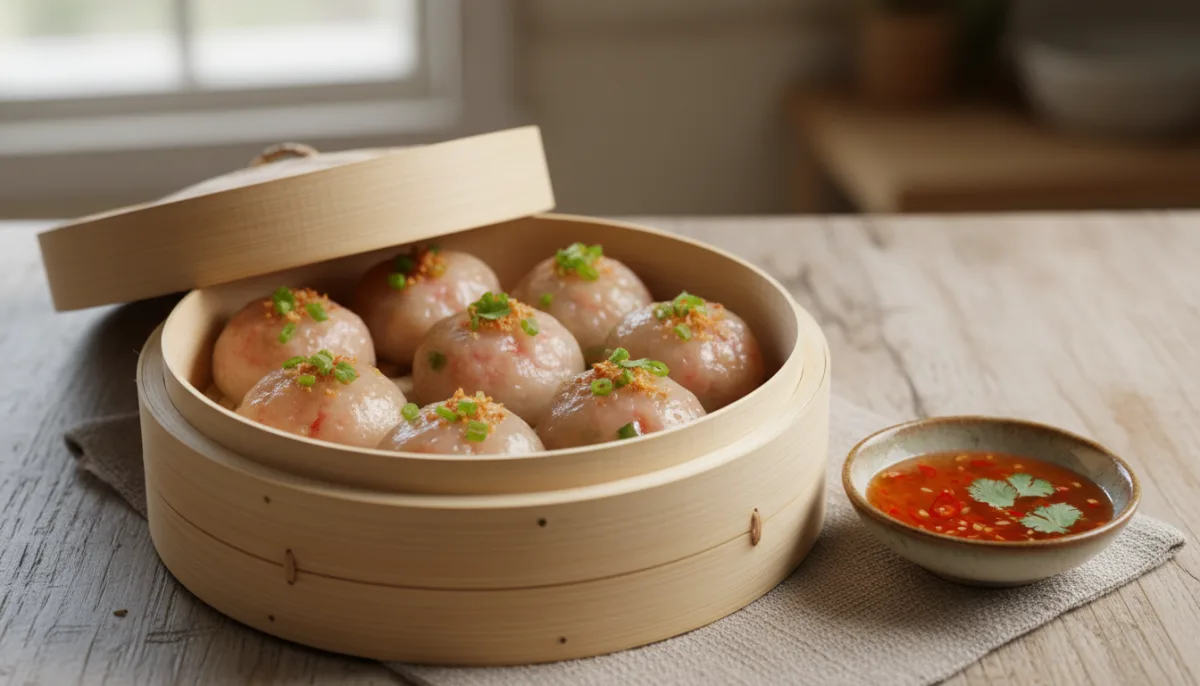
Cambodian Bobor: Savory Pork and Preserved Egg Rice Porridge
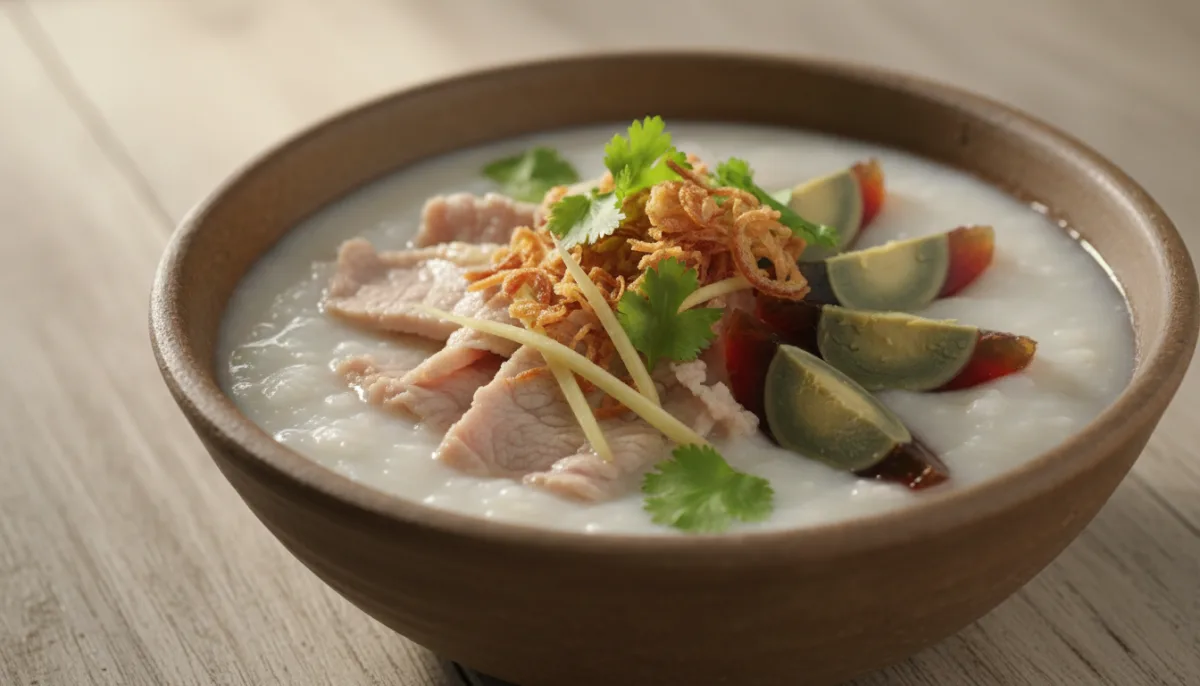
Experience the comforting embrace of Bobor, a traditional Cambodian rice porridge. This savory dish combines tender pork, the unique creaminess of preserved eggs, and a fragrant ginger-infused broth, creating a hearty and flavorful meal ideal for any time of day.
Rinse the jasmine rice thoroughly under cold water until the water runs clear. Drain well.
02
In a large pot, combine the rinsed rice and chicken broth. Bring to a boil over medium-high heat, then reduce heat to low, cover, and simmer for 30 minutes, stirring occasionally to prevent sticking.
03
While the rice is simmering, marinate the thinly sliced pork tenderloin with 1 tablespoon of fish sauce.
04
After 30 minutes, add the marinated pork and sliced ginger to the pot. Continue to simmer for another 10-15 minutes, or until the pork is cooked through and the porridge has reached your desired consistency, stirring occasionally.
05
Taste and adjust seasoning with additional fish sauce if needed.
06
Ladle the hot porridge into individual bowls. Garnish each serving with quartered preserved eggs, fried shallots, and fresh cilantro.
07
Serve immediately and enjoy this comforting Cambodian breakfast.
About This Recipe
Experience the comforting embrace of Bobor, a traditional Cambodian rice porridge. This savory dish combines tender pork, the unique creaminess of preserved eggs, and a fragrant ginger-infused broth, creating a hearty and flavorful meal ideal for any time of day.
Simple ingredients. Big flavor.✦
♨
Chef's Tips
For a creamier porridge, you can blend a portion of the cooked rice with some broth before returning it to the pot. Adjust the amount of broth to achieve your preferred consistency; add more if you like it thinner, or cook longer for a thicker porridge.
↔
Easy Substitutions
Chicken breast or ground pork can be used instead of pork tenderloin. Vegetable broth can replace chicken broth for a lighter flavor. If preserved eggs are unavailable, a soft-boiled egg or salted duck egg can be a suitable alternative.
▱
Storage & Reheating
Store leftover porridge in an airtight container in the refrigerator for up to 2 days. Reheat gently on the stovetop over low heat, adding a splash of broth or water to thin if necessary.
Serving Suggestions
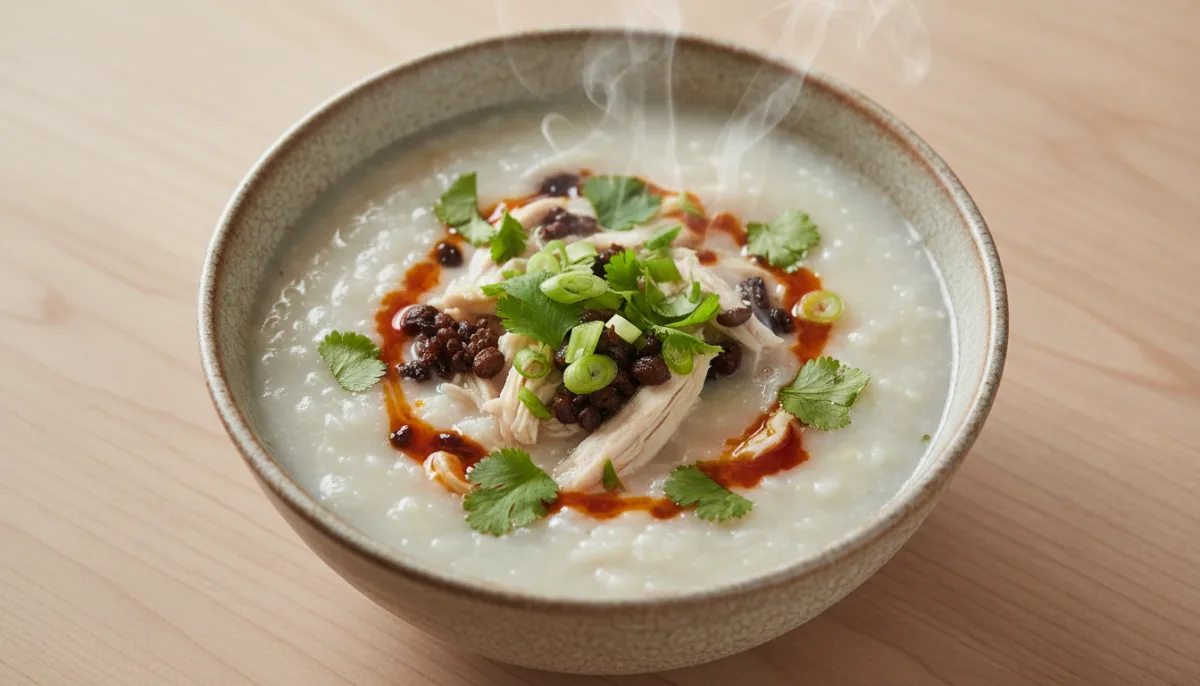
Serve with a side of chili oil for a spicy kick. Offer lime wedges for a bright, citrusy contrast. A sprinkle of white pepper can enhance the savory notes. Pair with a side of pickled vegetables for added crunch and tang.
Common Mistakes
Not rinsing the rice: This can lead to a gummy porridge. Not stirring frequently enough: The rice can stick and burn at the bottom. Cooking on too high heat: This can cause the porridge to boil over or cook unevenly. Overcooking the pork: Pork tenderloin cooks quickly, so add it towards the end to keep it tender. Not seasoning adequately: Taste and adjust the fish sauce to ensure a balanced flavor.
Frequently Asked Questions
What are preserved eggs?
Preserved eggs, also known as century eggs or pidan, are a Chinese delicacy made by preserving duck, chicken, or quail eggs in a mixture of clay, ash, salt, quicklime, and rice hulls for several weeks to several months. They have a distinct savory, umami flavor and a jelly-like texture.
Can I make this vegetarian?
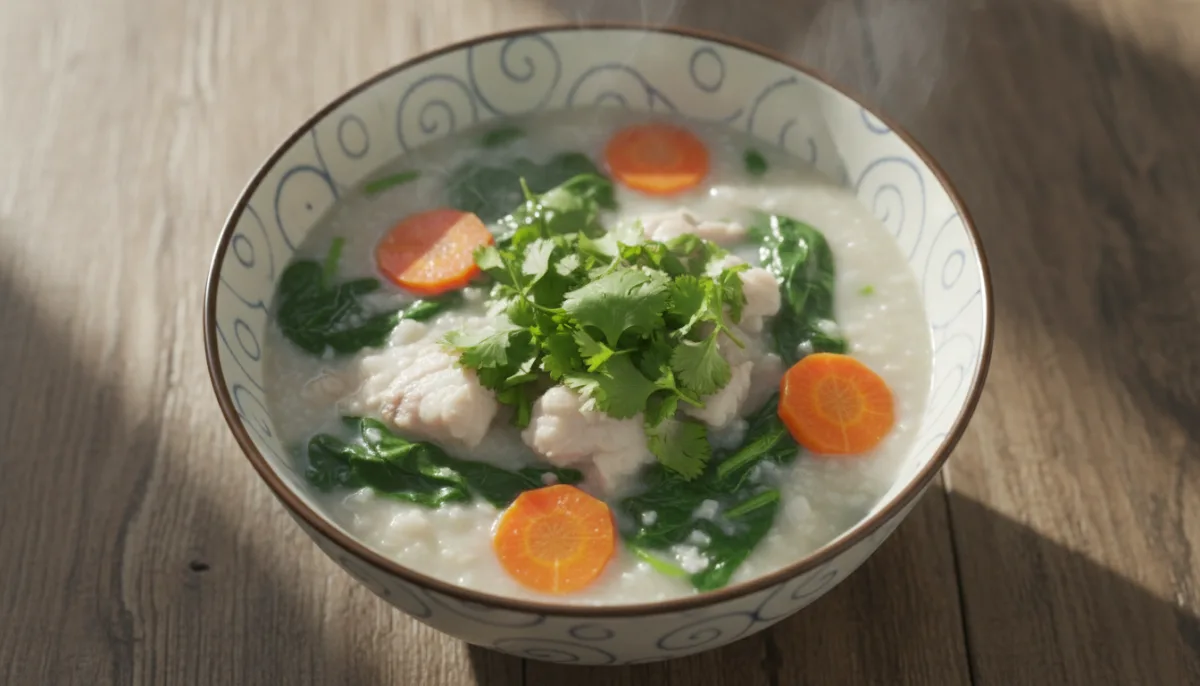
Yes, you can omit the pork and use vegetable broth. For protein, consider adding mushrooms or firm tofu.
How can I make the porridge thicker?
To thicken the porridge, simply continue simmering it uncovered until more liquid evaporates and it reaches your desired consistency. You can also mash some of the rice against the side of the pot.
Can I use other types of rice?
While jasmine rice is traditional for its fragrance and texture, you can use other medium-grain white rice. Brown rice will work but will require a longer cooking time and more liquid.
MORE TO KNOW
The key to a good rice porridge is patience and occasional stirring to prevent the rice from sticking to the bottom of the pot. The long, slow simmer allows the rice grains to break down and release their starches, creating a wonderfully creamy texture. For an extra layer of flavor, you can lightly toast the uncooked rice in a dry pan for a few minutes before adding the broth.