Home › Recipes › Breakfast ›Vietnamese ›Vietnamese Savory Mung Bean Doughnuts (Bánh Tiêu Đậu Xanh)
BREAKFAST

Vietnamese Savory Mung Bean Doughnuts (Bánh Tiêu Đậu Xanh)

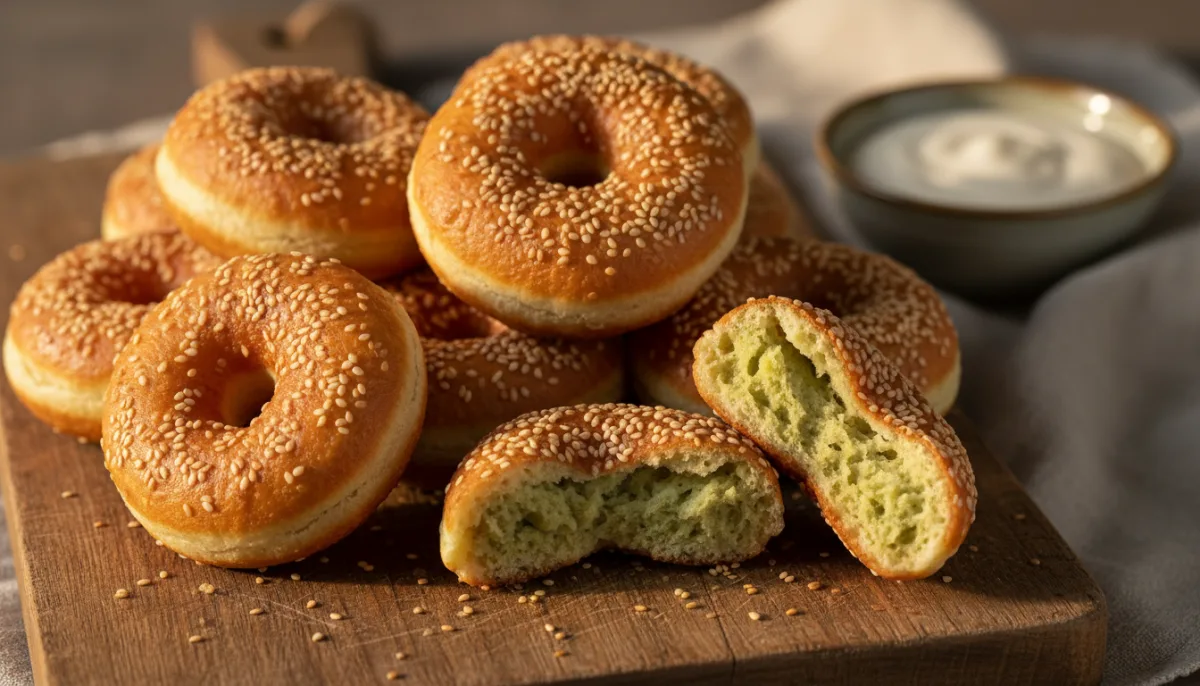
These unique Vietnamese savory doughnuts offer a delightful twist on the classic bánh tiêu, incorporating creamy mung bean paste into the dough for a richer flavor and softer texture. Perfect for a satisfying breakfast or a unique snack, they are lightly sweet and savory.

✎
HOW TO MAKE IT

Let's cook.

01

Drain the soaked mung beans and steam them until very tender, about 20-25 minutes. Mash the steamed mung beans into a smooth paste. Set aside to cool.

02

In a large bowl, combine the warm water, granulated sugar, and active dry yeast. Let it sit for 5-10 minutes until foamy, indicating the yeast is active.

03

Add the all-purpose flour, salt, and the cooled mung bean paste to the yeast mixture. Mix until a shaggy dough forms, then knead on a lightly floured surface for 8-10 minutes until smooth and elastic.

04

Place the dough in a lightly oiled bowl, cover with plastic wrap, and let it rise in a warm place for 60-90 minutes, or until doubled in size.

05

Punch down the risen dough and divide it into 8 equal pieces. Roll each piece into a thin oval or round shape, about 1/4 inch thick. Lightly moisten one side of each dough piece with water and press it into the sesame seeds.

06

Heat the vegetable oil in a deep pot or Dutch oven over medium-high heat to 350°F (175°C).

07

Carefully slide 2-3 doughnuts into the hot oil, sesame-side up. Fry for 2-3 minutes per side, or until golden brown and puffed. Use tongs to gently press down on the doughnuts occasionally to help them puff up.

08

Remove the fried doughnuts with a slotted spoon and place them on a wire rack lined with paper towels to drain excess oil. Repeat with the remaining dough.

09

Serve warm and enjoy the unique savory-sweet flavor.

About This Recipe

These unique Vietnamese savory doughnuts offer a delightful twist on the classic bánh tiêu, incorporating creamy mung bean paste into the dough for a richer flavor and softer texture. Perfect for a satisfying breakfast or a unique snack, they are lightly sweet and savory.
Vietnamese Savory Mung Bean Doughnuts (Bánh Tiêu Đậu Xanh)
Simple ingredients.
Big flavor.
✦
♨

Chef's Tips

Ensure your oil temperature is consistent for even frying and puffing. If the oil is too hot, the doughnuts will brown too quickly without cooking through; if too cool, they will absorb too much oil. A kitchen thermometer is very helpful here.
↔

Easy Substitutions

For a slightly different flavor, you can add 1/4 teaspoon of five-spice powder to the dough. If you don't have split mung beans, whole mung beans can be used but will require longer soaking and steaming times, and may need more effort to mash smoothly.
▱

Storage & Reheating

Vietnamese Savory Mung Bean Doughnuts are best enjoyed fresh. Store any leftovers in an airtight container at room temperature for up to 1 day. Reheat briefly in a toaster oven or air fryer to restore some crispness.

Serving Suggestions

Serve these doughnuts warm as a standalone breakfast item or a delightful snack. They pair wonderfully with a cup of Vietnamese iced coffee (cà phê sữa đá) or a light herbal tea. For an extra treat, you can serve them with a small dish of condensed milk for dipping.

Common Mistakes

1. Not activating the yeast: Ensure your water is the correct temperature and the yeast foams before proceeding. 2. Over-kneading or under-kneading the dough: This can affect the texture and ability to puff. Aim for smooth and elastic. 3. Incorrect oil temperature: Too low, and they'll be greasy; too high, and they'll burn outside and be raw inside. Use a thermometer. 4. Overcrowding the frying pot: This drops the oil temperature and leads to soggy doughnuts. Fry in batches. 5. Not pressing the doughnuts during frying: Gently pressing helps them puff up evenly.

Frequently Asked Questions

Can I make the dough ahead of time?

Yes, you can prepare the dough and let it rise in the refrigerator overnight after the first rise. Bring it to room temperature for about 30 minutes before shaping and frying.


What if my mung beans aren't mashing smoothly?

If your mung beans are still a bit lumpy, you can add a tablespoon or two of water while mashing or briefly blend them in a food processor to achieve a smoother paste.

Can I bake these instead of frying?

While frying gives them their characteristic texture and puff, you could try baking them at 375°F (190°C) for 10-15 minutes, flipping halfway, until golden. However, the texture will be denser and less airy than fried versions.

How do I know if the oil is at the right temperature without a thermometer?

You can test the oil by dropping a small piece of dough into it. If it sizzles and floats to the surface within a few seconds, the oil is ready. If it sinks or browns too quickly, adjust the heat.
MORE TO KNOW
The key to perfectly puffed bánh tiêu is the right dough consistency and oil temperature. The mung bean paste adds moisture and a subtle sweetness, making the dough softer and more pliable than traditional versions. When rolling out the dough, aim for an even thickness to ensure uniform cooking and puffing. Don't overcrowd the pot during frying, as this will lower the oil temperature and result in greasy doughnuts.
WHAT PEOPLE THINK

Reviews

☆

No reviews yet

Be the first person to review this recipe.

SHARE YOUR THOUGHTS

Made this recipe?

Tell us how it turned out.

Your review will be checked before appearing publicly.