Home › Recipes › Breakfast ›Somali ›Somali Canjeero: Sourdough Flatbread with Honey & Ghee
BREAKFAST

Somali Canjeero: Sourdough Flatbread with Honey & Ghee

Discover the comforting taste of Somali Canjeero, a traditional sourdough flatbread known for its unique spongy texture. This recipe guides you through preparing this staple, perfect for soaking up a sweet drizzle of honey and rich, melted ghee – a classic Somali breakfast pairing.

✎
HOW TO MAKE IT

Let's cook.

01

In a large bowl, combine the all-purpose flour, semolina flour, active dry yeast, and salt. Whisk to combine thoroughly.

02

Gradually add the warm water to the dry ingredients, whisking continuously to form a smooth, lump-free batter. The consistency should be similar to thin pancake batter.

03

Cover the bowl with plastic wrap or a clean kitchen towel and let it rest in a warm place for 1 to 2 hours, or until the batter is bubbly and has slightly increased in volume.

04

Heat a non-stick skillet or griddle over medium heat. Lightly grease with a tiny amount of oil or ghee if needed for the first canjeero.

05

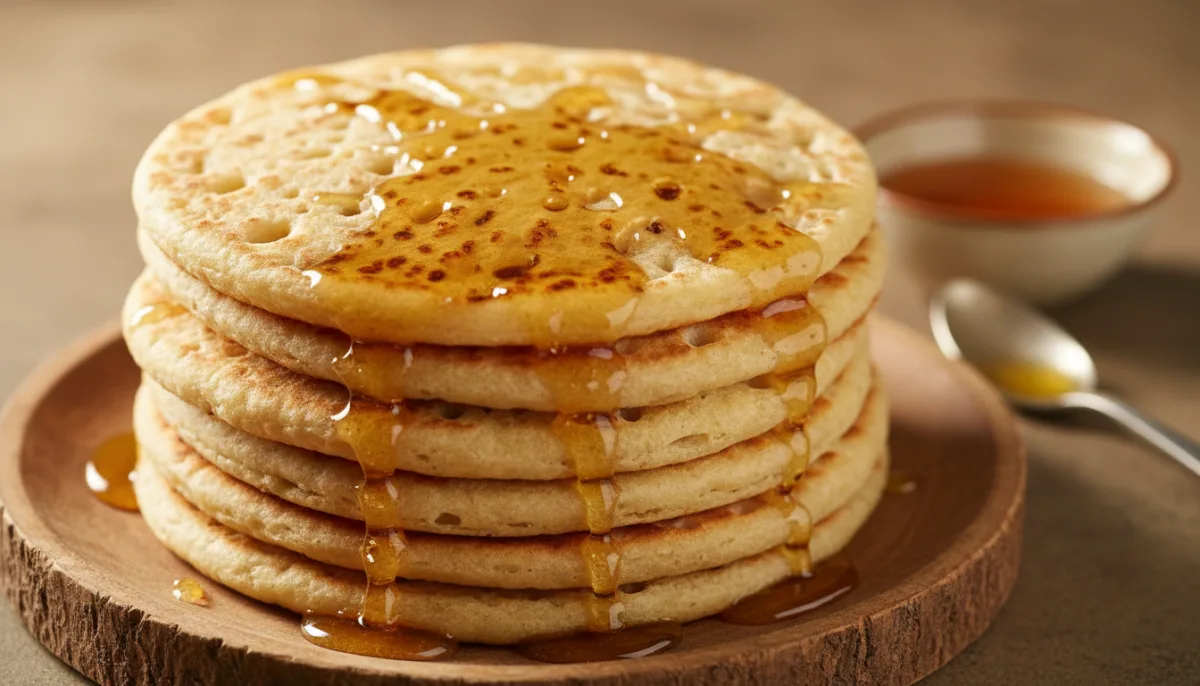
Pour about 1/4 cup of batter onto the hot skillet, swirling gently to create a thin, round flatbread. Cook for 2-3 minutes until small holes appear on the surface and the edges begin to crisp.

06

Do not flip the canjeero. Cook only on one side until the top is set and dry to the touch. Remove from the skillet and place on a plate.

07

Repeat with the remaining batter, stacking the cooked canjeero on top of each other to keep them warm and soft.

08

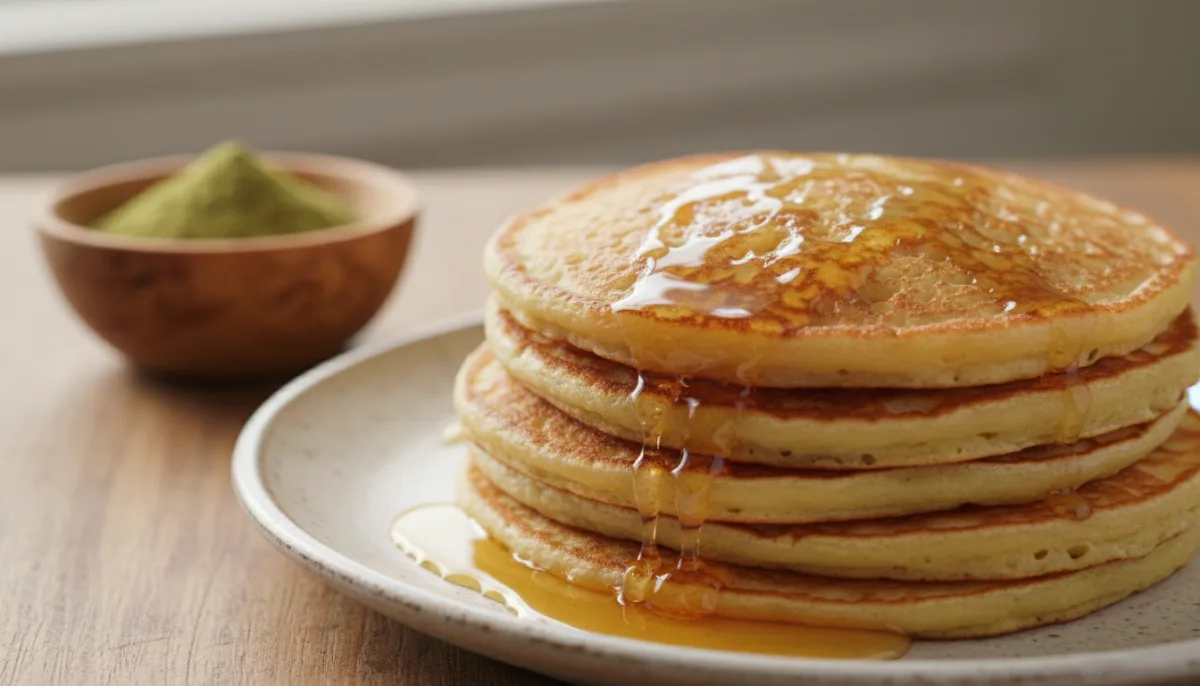
Serve the warm canjeero immediately, drizzled with honey and melted ghee.

About This Recipe

Discover the comforting taste of Somali Canjeero, a traditional sourdough flatbread known for its unique spongy texture. This recipe guides you through preparing this staple, perfect for soaking up a sweet drizzle of honey and rich, melted ghee – a classic Somali breakfast pairing.
Somali Canjeero: Sourdough Flatbread with Honey & Ghee
Simple ingredients.
Big flavor.
✦
♨

Chef's Tips

For a richer sourdough flavor, you can prepare the batter the night before and let it ferment in the refrigerator overnight. Bring it to room temperature before cooking. Adjust the amount of water to achieve the desired thin batter consistency; it should pour easily.
↔

Easy Substitutions

If you don't have semolina flour, you can use all-purpose flour, though the texture will be slightly less authentic. Clarified butter can be used in place of ghee. Maple syrup or agave nectar can substitute honey.
▱

Storage & Reheating

Store leftover canjeero in an airtight container at room temperature for up to 2 days or in the refrigerator for up to 4 days. Reheat gently in a microwave or on a lightly greased skillet over low heat until warmed through.

Serving Suggestions

Serve canjeero with a side of fresh fruit like mango or banana. For a more traditional Somali breakfast, pair it with a savory stew or a sprinkle of sugar and a cup of spiced tea. It also makes a great base for a quick sandwich with cheese or eggs.

Common Mistakes

Over-thick batter: This will result in dense, heavy canjeero. Add a little more water, a tablespoon at a time, until the batter is thin and pourable. Not letting the batter ferment long enough: This will prevent the characteristic holes from forming and result in a less flavorful flatbread. Ensure your yeast is active and the batter is in a warm spot. Overcooking: Canjeero should be soft and pliable, not crispy or hard. Cook only until the top is set. Flipping the canjeero: Unlike pancakes, canjeero is traditionally cooked on one side only. Flipping can make it tough. Using a pan that isn't hot enough: This will prevent the canjeero from cooking evenly and developing the desired texture.

Frequently Asked Questions

Can I make canjeero gluten-free?

While traditional canjeero uses wheat flour, you can experiment with gluten-free flour blends, though the texture may vary. Look for blends designed for yeast breads.


What is the difference between canjeero and injera?

Both are fermented flatbreads, but injera is typically made with teff flour and has a more pronounced sour flavor, while canjeero often uses wheat and semolina flours and has a milder taste.

Can I freeze canjeero?

Yes, you can freeze cooked canjeero. Wrap them tightly in plastic wrap and then in foil or place in a freezer-safe bag for up to 1 month. Thaw at room temperature and reheat.
MORE TO KNOW
Canjeero is a fermented flatbread, and the fermentation process is key to its unique spongy texture and slightly tangy flavor. The small holes that form on the surface during cooking are a sign of a well-fermented batter. If your batter isn't bubbling, ensure your yeast is active and your water is warm (not hot) enough. The batter should be thin enough to spread easily but not so thin that it tears when cooked. Achieving the right consistency might take a little practice, but it's worth it for perfectly soft and airy canjeero.
WHAT PEOPLE THINK

Reviews

☆

No reviews yet

Be the first person to review this recipe.

SHARE YOUR THOUGHTS

Made this recipe?

Tell us how it turned out.

Your review will be checked before appearing publicly.