Home › Recipes › Breakfast ›Somali ›Somali Sabaayad: Flaky Flatbread with Sesame Seeds
BREAKFAST

Somali Sabaayad: Flaky Flatbread with Sesame Seeds

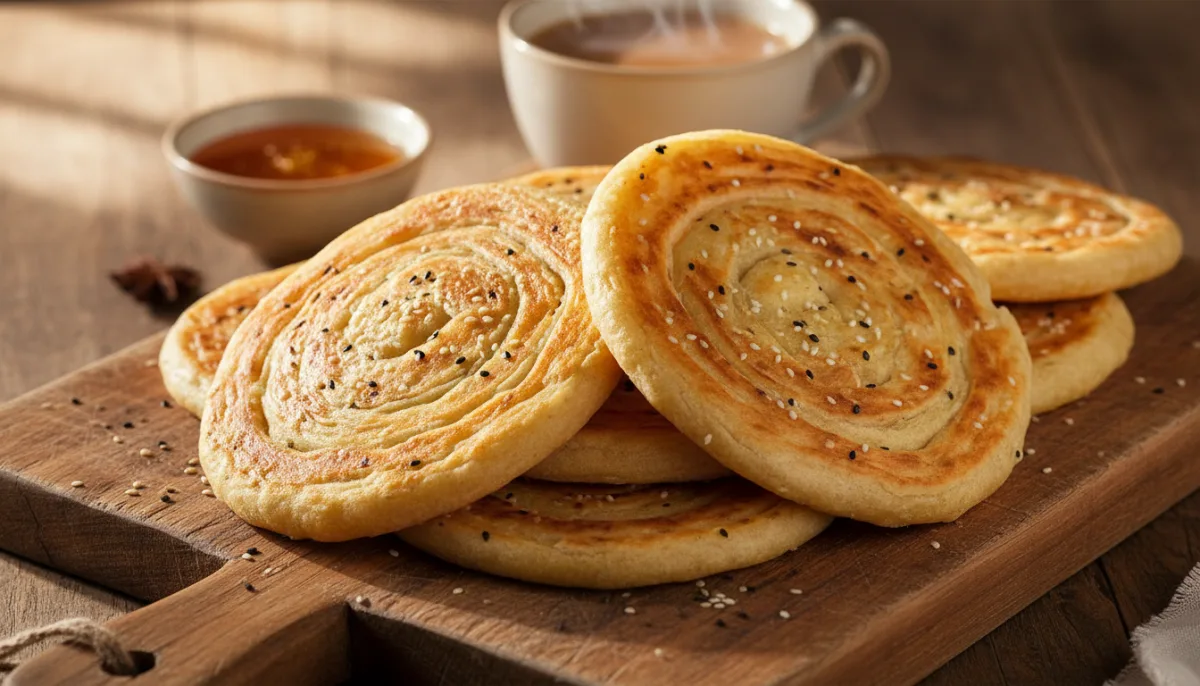
Sabaayad is a traditional Somali flatbread, known for its distinct flakiness and rich flavor. This recipe incorporates sesame seeds for an added nutty aroma and delightful texture, perfect for a hearty breakfast.

✎
HOW TO MAKE IT

Let's cook.

01

In a large bowl, combine the all-purpose flour and salt. Gradually add the warm water, mixing until a shaggy dough forms. Knead the dough on a lightly floured surface for 5-7 minutes until it is smooth and elastic.

02

Divide the dough into 6 equal portions. Roll each portion into a ball. Lightly grease each ball with a little vegetable oil, cover them with a clean kitchen towel, and let them rest for 15 minutes.

03

On a lightly oiled surface, take one dough ball and flatten it into a very thin circle, about 8-10 inches in diameter. You should be able to see through it slightly.

04

Brush the entire surface of the flattened dough with melted butter and sprinkle generously with sesame seeds. Fold the circle in half, then in half again to form a triangle. Gently roll the triangle into a tight spiral, then flatten it slightly into a disc.

05

Heat a large non-stick skillet or griddle over medium heat. Lightly oil the pan. Cook each sabaayad for 3-4 minutes per side, or until golden brown and cooked through, pressing gently with a spatula to ensure even cooking.

06

Once cooked, transfer the sabaayad to a plate. Repeat with the remaining dough. Serve warm.

About This Recipe

Sabaayad is a traditional Somali flatbread, known for its distinct flakiness and rich flavor. This recipe incorporates sesame seeds for an added nutty aroma and delightful texture, perfect for a hearty breakfast.
Somali Sabaayad: Flaky Flatbread with Sesame Seeds
Simple ingredients.
Big flavor.
✦
♨

Chef's Tips

For extra flakiness, you can add 1 tablespoon of melted butter to the dough mixture in step 1. Ensure your skillet is not too hot, or the sabaayad will brown too quickly without cooking through.
↔

Easy Substitutions

If you don't have sesame seeds, you can omit them or use nigella seeds for a different flavor. Ghee can be used instead of melted butter for a richer taste.
▱

Storage & Reheating

Store leftover sabaayad in an airtight container at room temperature for up to 2 days, or in the refrigerator for up to 4 days. Reheat on a dry skillet over medium heat until warm and slightly crispy.

Serving Suggestions

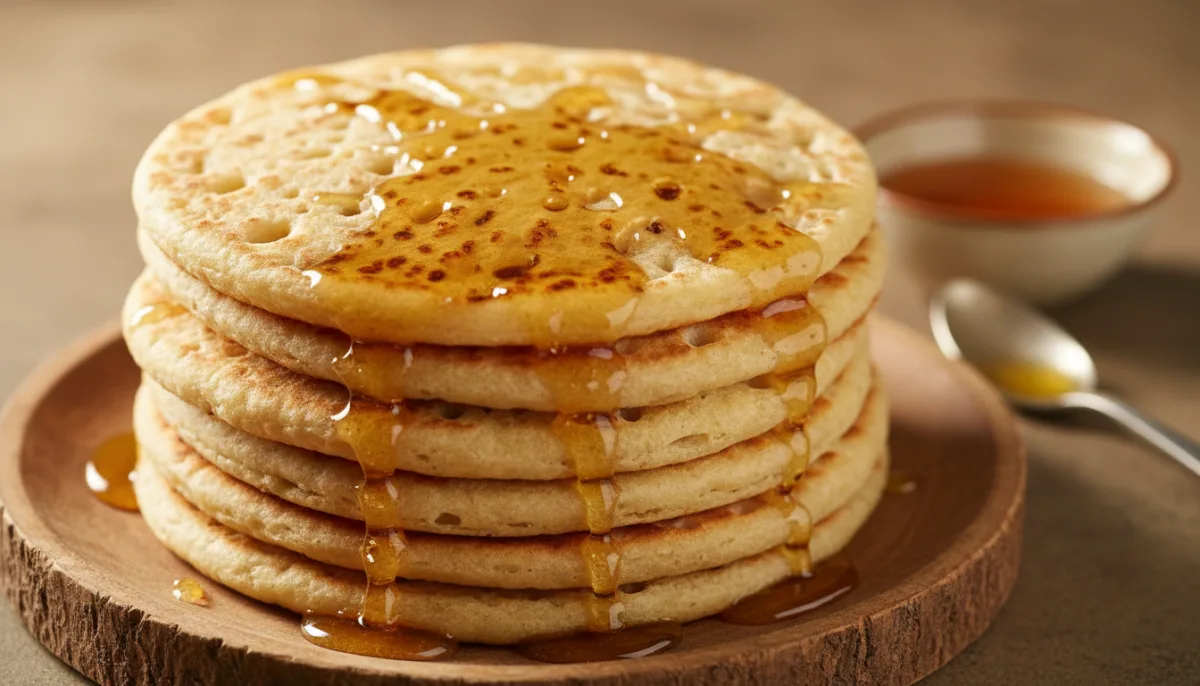
Serve Somali Sabaayad warm with a side of honey, a sprinkle of sugar, or a savory stew like maraq (Somali beef stew). It also pairs wonderfully with a cup of spiced Somali tea (shaah cadays) or a simple fried egg.

Common Mistakes

1. Not kneading the dough enough: This results in a tough, less pliable dough. Knead until smooth and elastic. 2. Not resting the dough: Resting allows the gluten to relax, making the dough easier to roll thinly. 3. Overheating the pan: Too high heat will burn the exterior before the interior cooks. Use medium heat. 4. Not rolling the dough thin enough: This prevents the formation of flaky layers. Aim for translucency. 5. Not brushing with enough butter: Butter is crucial for flakiness and flavor.

Frequently Asked Questions

Can I make the dough ahead of time?

Yes, you can prepare the dough and store it in an airtight container in the refrigerator for up to 24 hours. Let it come to room temperature before rolling.


What if my sabaayad isn't flaky?

Ensure you rolled the dough very thin and brushed it generously with butter before folding. The folding technique also helps create layers.

Can I freeze sabaayad?

Yes, cooked sabaayad can be frozen for up to 1 month. Wrap them individually in plastic wrap, then place in a freezer-safe bag. Reheat directly from frozen on a medium-hot skillet.
MORE TO KNOW
The key to flaky sabaayad is in the rolling and folding technique. When you flatten the dough in step 3, aim for it to be almost translucent. The butter and sesame seeds create layers that separate during cooking, giving the sabaayad its characteristic texture. Don't be afraid to stretch the dough thin; it's quite forgiving. If the dough resists, let it rest for another 5 minutes before continuing.
WHAT PEOPLE THINK

Reviews

☆

No reviews yet

Be the first person to review this recipe.

SHARE YOUR THOUGHTS

Made this recipe?

Tell us how it turned out.

Your review will be checked before appearing publicly.