Home › Recipes › Breakfast ›Senegalese ›Thiacry: Senegalese Millet Porridge with Peanut Butter and Honey
BREAKFAST

Thiacry: Senegalese Millet Porridge with Peanut Butter and Honey

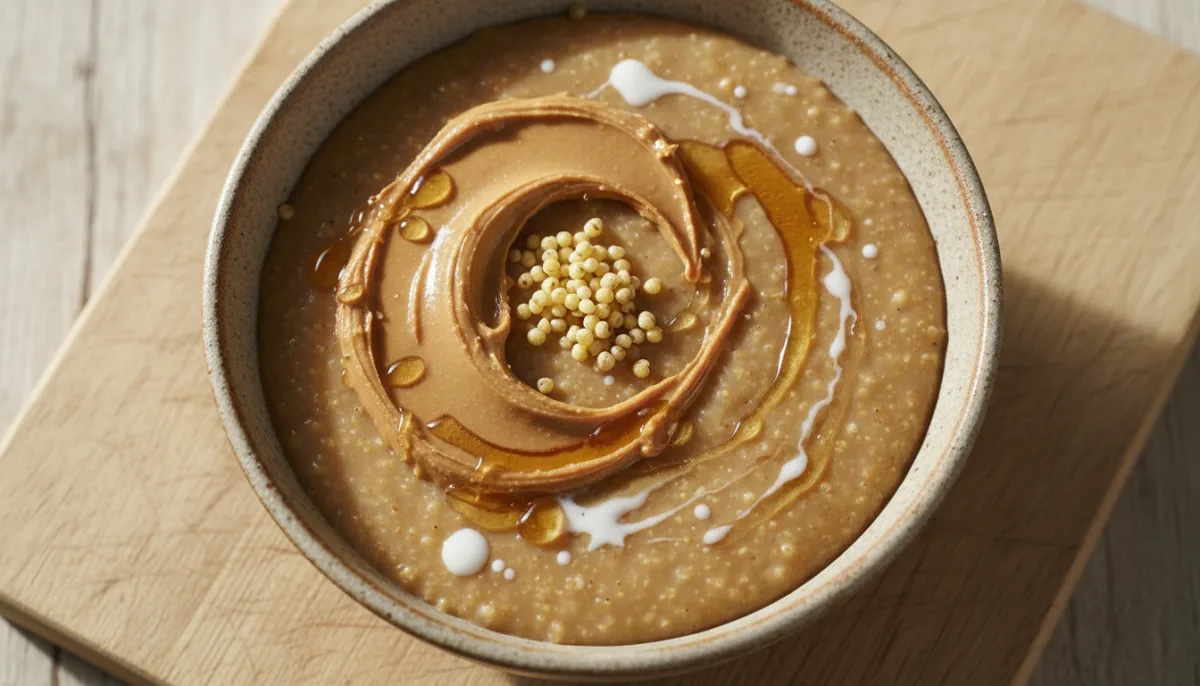
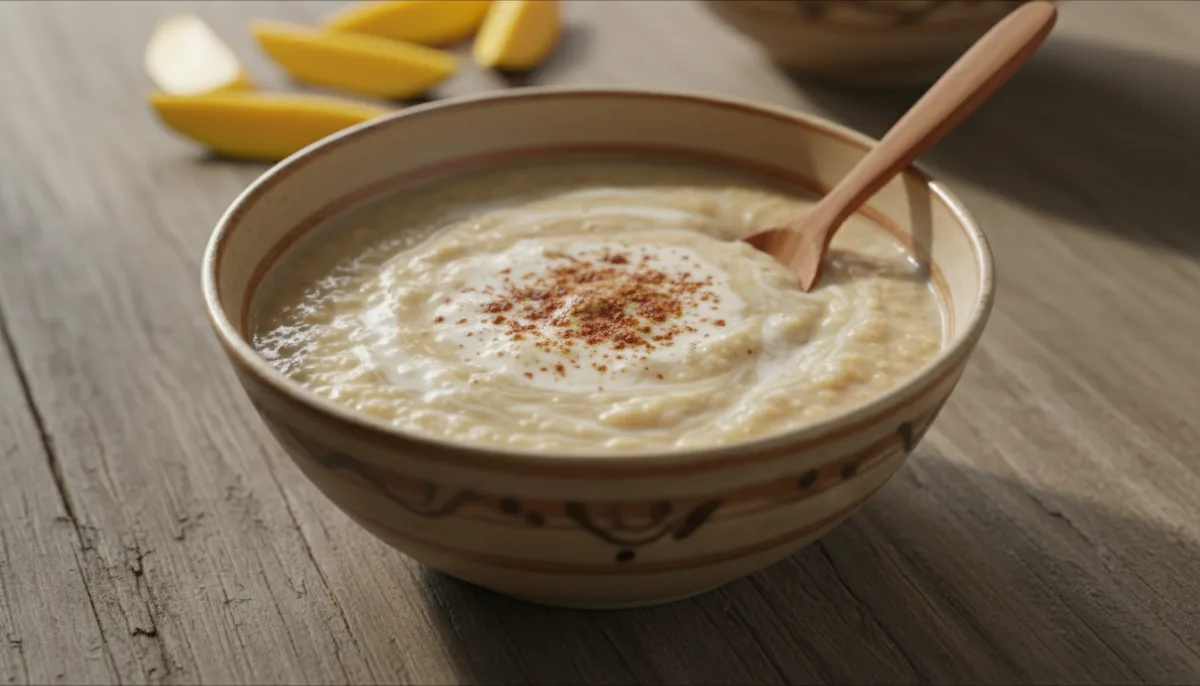
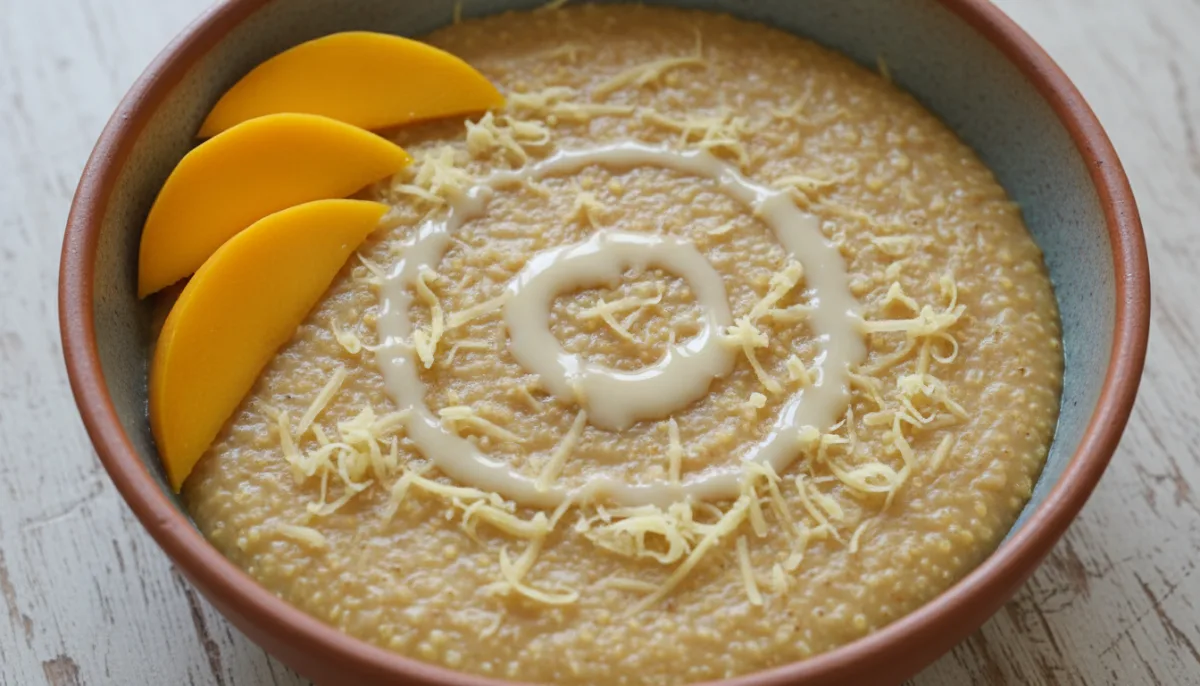
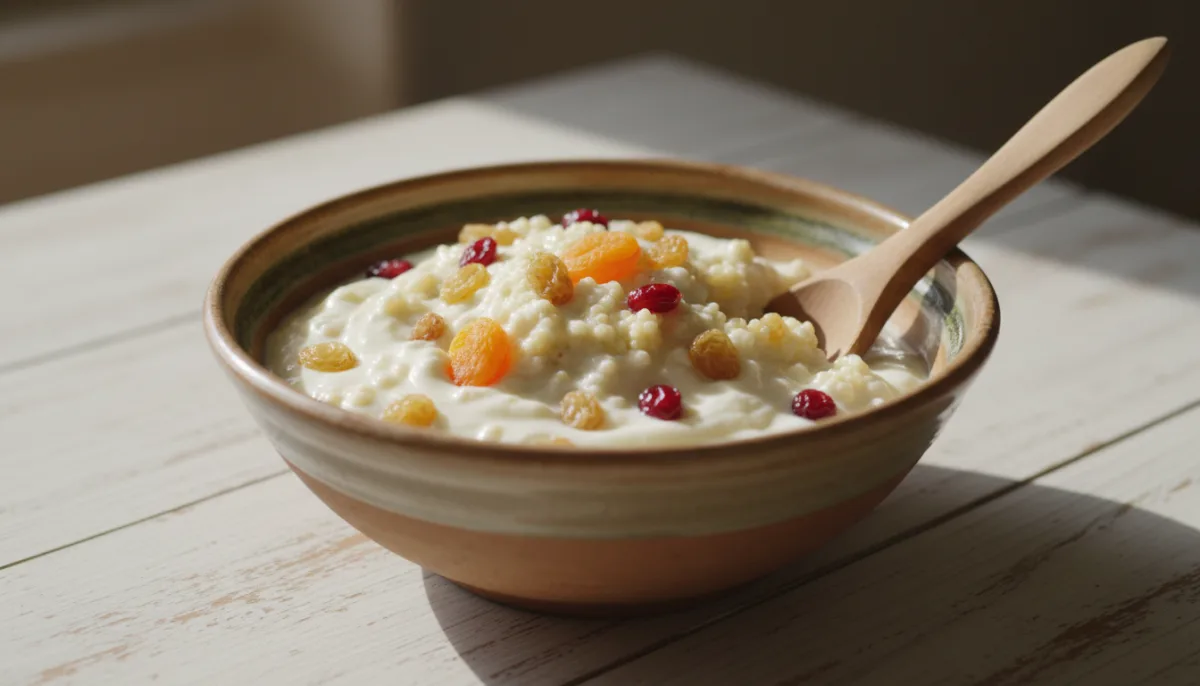
Experience the comforting embrace of Thiacry, a traditional Senegalese millet porridge. This nourishing breakfast, also known as Fakoye in some areas, features the creamy texture of millet, perfectly balanced by the rich, nutty notes of peanut butter and a touch of golden honey. It's a wholesome and satisfying way to begin your day.

✎
HOW TO MAKE IT

Let's cook.

01

Rinse 1/2 cup of millet thoroughly under cold water using a fine-mesh sieve. This helps remove any bitterness.

02

Combine the rinsed millet, 2 cups of water, and 1/4 teaspoon of salt in a medium saucepan. Bring to a boil over high heat.

03

Once boiling, reduce the heat to low, cover the saucepan, and simmer for 15 minutes, or until the millet is tender and most of the water has been absorbed.

04

Stir in 1/4 cup of creamy peanut butter and 2 tablespoons of honey until well combined and smooth. Cook for an additional 2-3 minutes, stirring constantly, until the porridge thickens slightly.

05

Remove from heat and let stand, covered, for 5 minutes to allow the porridge to fully set. Serve warm, topped with 1/2 cup of milk and an extra drizzle of honey if desired.

About This Recipe

Experience the comforting embrace of Thiacry, a traditional Senegalese millet porridge. This nourishing breakfast, also known as Fakoye in some areas, features the creamy texture of millet, perfectly balanced by the rich, nutty notes of peanut butter and a touch of golden honey. It's a wholesome and satisfying way to begin your day.
Thiacry: Senegalese Millet Porridge with Peanut Butter and Honey
Simple ingredients.
Big flavor.
✦
♨

Chef's Tips

For a richer flavor, toast the dry millet in a dry saucepan over medium heat for 2-3 minutes before rinsing and cooking. This brings out a nutty aroma. Adjust the amount of honey and peanut butter to your taste preferences.
↔

Easy Substitutions

Almond butter or cashew butter can be used instead of peanut butter. Maple syrup or agave nectar can replace honey. For a creamier porridge, use coconut milk or evaporated milk instead of water for cooking.
▱

Storage & Reheating

Store leftover porridge in an airtight container in the refrigerator for up to 3 days. Reheat gently on the stovetop with a splash of milk or water to restore consistency.

Serving Suggestions

Serve with sliced bananas or other fresh fruit. Top with a sprinkle of toasted chopped peanuts for extra crunch. A dash of cinnamon or nutmeg can add a warm spice note. Enjoy with a side of strong coffee or traditional Senegalese bissap (hibiscus) juice.

Common Mistakes

Not rinsing the millet: This can lead to a slightly bitter taste. Always rinse thoroughly. Cooking on too high heat: This can cause the millet to stick to the bottom of the pan and burn. Keep the heat low during simmering. Not stirring enough after adding peanut butter: The peanut butter can clump or stick if not stirred continuously. Overcooking: Millet can become too thick or dry if cooked for too long. Keep an eye on the liquid absorption.

Frequently Asked Questions

Can I make this porridge ahead of time?

Yes, you can prepare it a day in advance and store it in the refrigerator. Reheat gently with a little milk or water.


Is millet gluten-free?

Yes, millet is naturally gluten-free, making this a great option for those with gluten sensitivities.

What kind of millet should I use?

Pearl millet (Pennisetum glaucum) is commonly used in Senegalese cuisine, but any hulled millet will work well for porridge.

Can I add other spices?

Absolutely! A pinch of cinnamon, nutmeg, or even a tiny bit of ginger can enhance the flavor.
MORE TO KNOW
Millet is a versatile and ancient grain, a staple in many African cuisines. It's naturally gluten-free and a good source of fiber and protein. This recipe highlights its creamy texture when cooked as a porridge, making it an excellent base for various toppings. The key to a smooth porridge is consistent stirring, especially after adding the peanut butter, to prevent sticking and ensure even distribution of flavors.
WHAT PEOPLE THINK

Reviews

☆

No reviews yet

Be the first person to review this recipe.

SHARE YOUR THOUGHTS

Made this recipe?

Tell us how it turned out.

Your review will be checked before appearing publicly.