Home › Recipes › Dessert ›Palestinian ›Palestinian Aish el Saraya: Rosewater & Pistachio Bread Pudding
DESSERT

Palestinian Aish el Saraya: Rosewater & Pistachio Bread Pudding

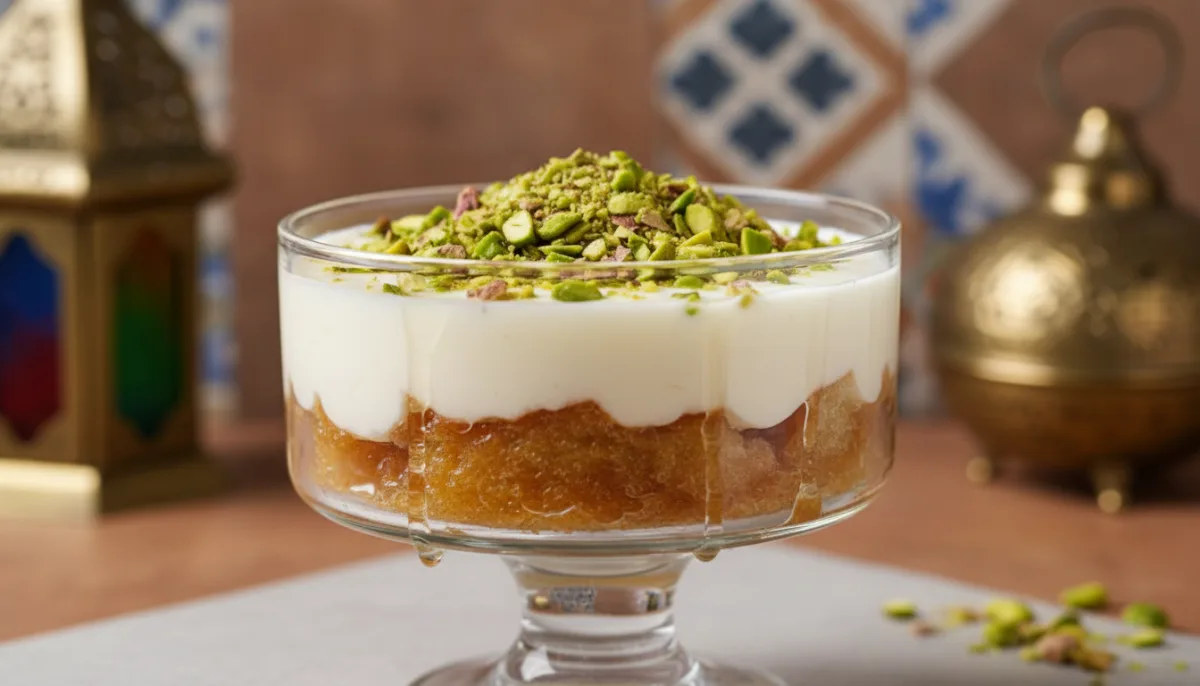
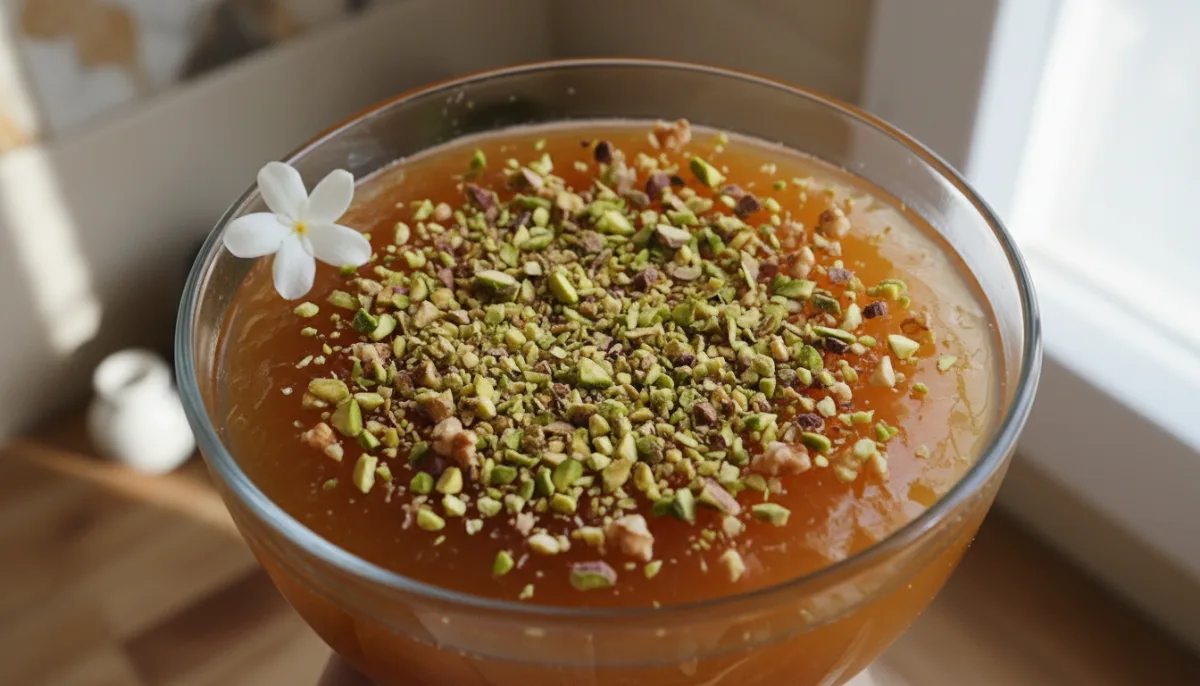
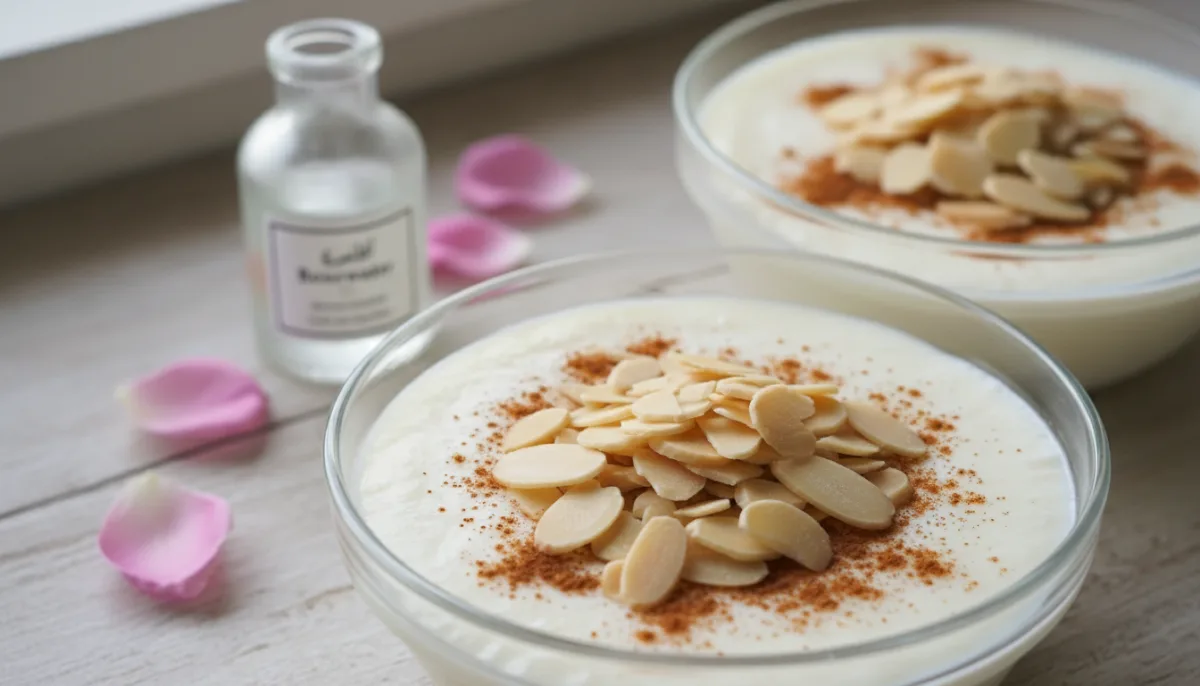
Transform humble stale bread into an exquisite dessert with this traditional Palestinian Aish el Saraya. Each bite offers a symphony of textures and flavors: bread soaked in fragrant rosewater syrup, crowned with a luscious, creamy custard, and finished with the delightful crunch of pistachios. It's a truly luxurious and aromatic treat.

✎
HOW TO MAKE IT

Let's cook.

01

Prepare the bread: Tear the stale white bread into small pieces and arrange them in a single layer in a 9x13 inch baking dish. Bake at 350°F/175°C for 10-12 minutes, or until lightly golden and crisp.

02

Make the simple syrup: In a small saucepan, combine 1 cup of granulated sugar and 1 cup of water. Bring to a boil over medium heat, then reduce heat and simmer for 5 minutes until slightly thickened. Remove from heat and stir in 1 tablespoon of rosewater.

03

Pour the warm rosewater syrup evenly over the toasted bread in the baking dish. Let it sit for 10 minutes to allow the bread to absorb the syrup.

04

Prepare the custard: In a large saucepan, whisk together 4 cups of whole milk, 1 cup of granulated sugar, and 1/2 cup of cornstarch until smooth. Cook over medium heat, stirring constantly, until the mixture thickens to a pudding-like consistency, about 8-10 minutes. Do not boil vigorously.

05

Remove the custard from heat and stir in 1/4 cup of heavy cream. Pour the warm custard evenly over the syrup-soaked bread in the baking dish.

06

Allow the Aish el Saraya to cool to room temperature, then cover and refrigerate for at least 4 hours, or preferably overnight, until thoroughly chilled and set.

07

Before serving, sprinkle generously with 1/2 cup of finely chopped pistachios.

About This Recipe

Transform humble stale bread into an exquisite dessert with this traditional Palestinian Aish el Saraya. Each bite offers a symphony of textures and flavors: bread soaked in fragrant rosewater syrup, crowned with a luscious, creamy custard, and finished with the delightful crunch of pistachios. It's a truly luxurious and aromatic treat.
Palestinian Aish el Saraya: Rosewater & Pistachio Bread Pudding
Simple ingredients.
Big flavor.
✦
♨

Chef's Tips

For extra flavor, you can add a pinch of ground cardamom to the custard. Ensure your bread is truly stale; fresh bread will become soggy. Toasting the bread is crucial for texture.
↔

Easy Substitutions

Almonds or walnuts can be used instead of pistachios. Orange blossom water can replace rosewater for a different floral note. For a dairy-free version, use plant-based milk and cream alternatives, adjusting cornstarch as needed.
▱

Storage & Reheating

Store leftover Aish el Saraya covered in the refrigerator for up to 3-4 days. It is best served chilled.

Serving Suggestions

Serve individual portions in small bowls, garnished with extra pistachios and a drizzle of rosewater. Pair with a cup of strong Arabic coffee or mint tea. Offer alongside fresh berries for a refreshing contrast. A dollop of clotted cream or labneh can add a tangy richness.

Common Mistakes

Not toasting the bread enough, leading to a soggy texture. Over-boiling the custard, which can cause it to become lumpy or separate. Not chilling the pudding long enough, resulting in a runny consistency. Using fresh bread instead of stale, which doesn't absorb the syrup as well. Forgetting to stir the custard constantly, leading to scorching at the bottom of the pan.

Frequently Asked Questions

Can I use gluten-free bread?

Yes, gluten-free white bread can be used, but ensure it is stale and toasted well.

How can I make the rosewater flavor stronger?

You can add an additional 1/2 teaspoon of rosewater to the custard mixture, or drizzle a little extra over individual servings.

Can I prepare this dessert in advance for a party?

Absolutely! This dessert is best made a day ahead to allow the flavors to fully develop and the pudding to set.
MORE TO KNOW
Aish el Saraya, meaning 'bread of the palace,' is a beloved dessert across the Levant. Its simplicity belies its rich flavor and comforting texture. The key to its success lies in the balance of the sweet, aromatic syrup and the creamy, delicate custard. Toasting the bread prevents it from becoming mushy and provides a subtle chewiness that contrasts beautifully with the smooth custard. Don't rush the chilling process; it allows the flavors to meld and the pudding to set perfectly.
WHAT PEOPLE THINK

Reviews

☆

No reviews yet

Be the first person to review this recipe.

SHARE YOUR THOUGHTS

Made this recipe?

Tell us how it turned out.

Your review will be checked before appearing publicly.