Home › Recipes › Lunch ›Kenyan ›Kenyan Ndengu Stew with Chapati
LUNCH

Kenyan Ndengu Stew with Chapati

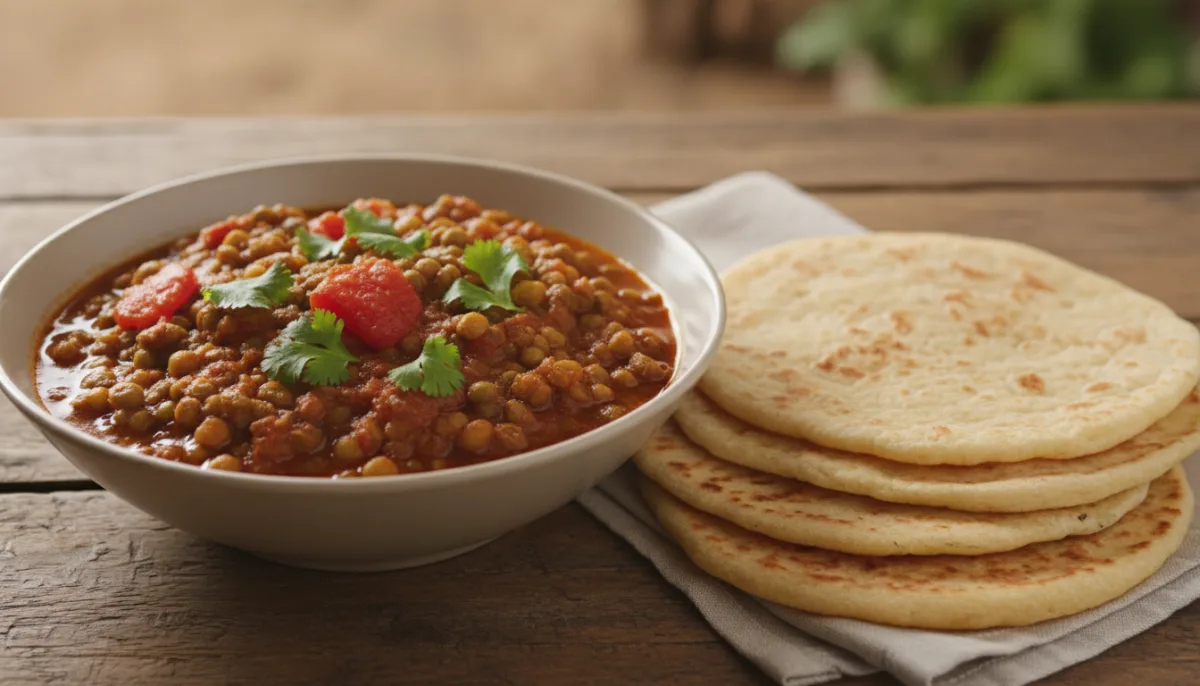
This hearty Kenyan Ndengu Stew, made with green grams (mung beans) and aromatic spices, is a staple in many Kenyan homes. Served with soft, flaky chapati, it's a comforting and nutritious meal perfect for lunch.

✎
HOW TO MAKE IT

Let's cook.

01

Soak the green grams (ndengu) in cold water for at least 4 hours or overnight. Drain and rinse thoroughly.

02

In a large pot or Dutch oven, heat the vegetable oil over medium heat. Add the chopped onion and cook until softened and translucent, about 5-7 minutes.

03

Stir in the minced garlic and grated ginger, cooking for another 1 minute until fragrant. Add the curry powder and turmeric powder, stirring for 30 seconds to toast the spices.

04

Add the drained green grams, diced tomatoes, water, salt, and black pepper to the pot. Bring to a boil, then reduce heat to low, cover, and simmer for 30-35 minutes, or until the ndengu are tender.

05

Stir in the coconut milk and continue to simmer uncovered for 5-7 minutes, allowing the stew to thicken slightly. Taste and adjust seasoning if needed.

06

Serve the hot Ndengu Stew immediately with warm chapati on the side.

About This Recipe

This hearty Kenyan Ndengu Stew, made with green grams (mung beans) and aromatic spices, is a staple in many Kenyan homes. Served with soft, flaky chapati, it's a comforting and nutritious meal perfect for lunch.
Kenyan Ndengu Stew with Chapati
Simple ingredients.
Big flavor.
✦
♨

Chef's Tips

For a richer flavor, you can add a bay leaf to the stew while simmering and remove it before serving. If you prefer a thicker stew, mash a small portion of the cooked ndengu against the side of the pot before adding coconut milk.
↔

Easy Substitutions

If green grams are unavailable, brown or green lentils can be used, though cooking times may vary. For a spicier stew, add a chopped green chili with the garlic and ginger. Vegetable broth can replace water for added depth.
▱

Storage & Reheating

Store leftover Ndengu Stew in an airtight container in the refrigerator for up to 3-4 days. Chapati should be stored separately in an airtight bag at room temperature for up to 2 days or refrigerated for longer.

Serving Suggestions

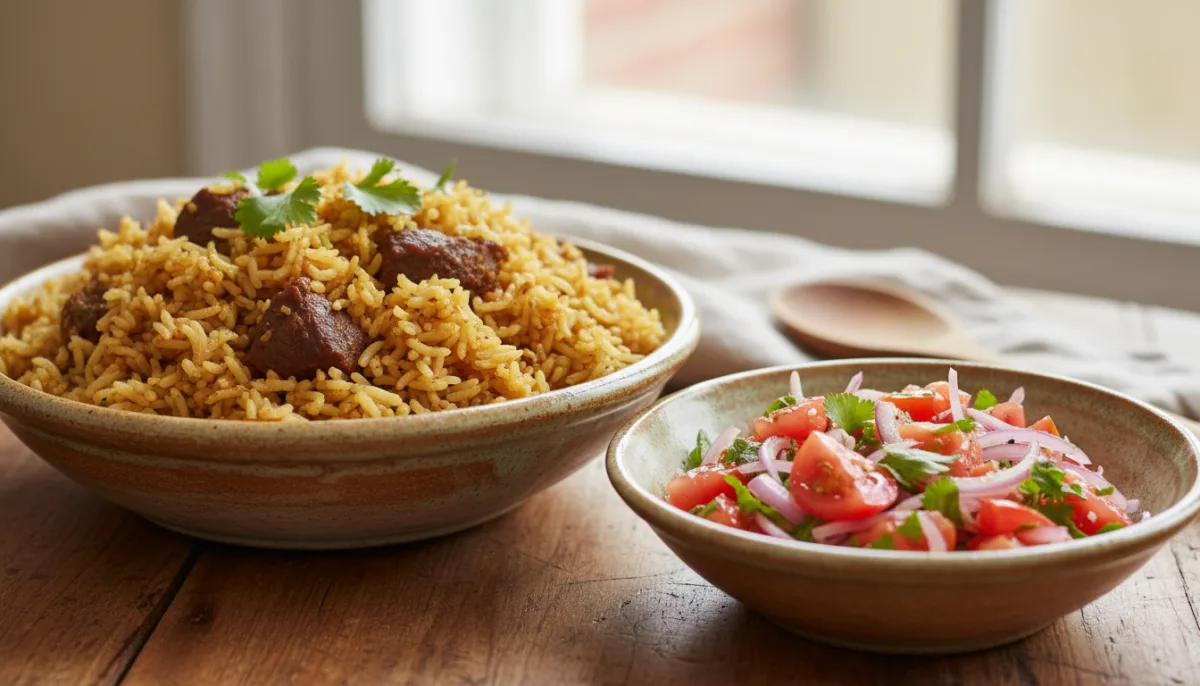
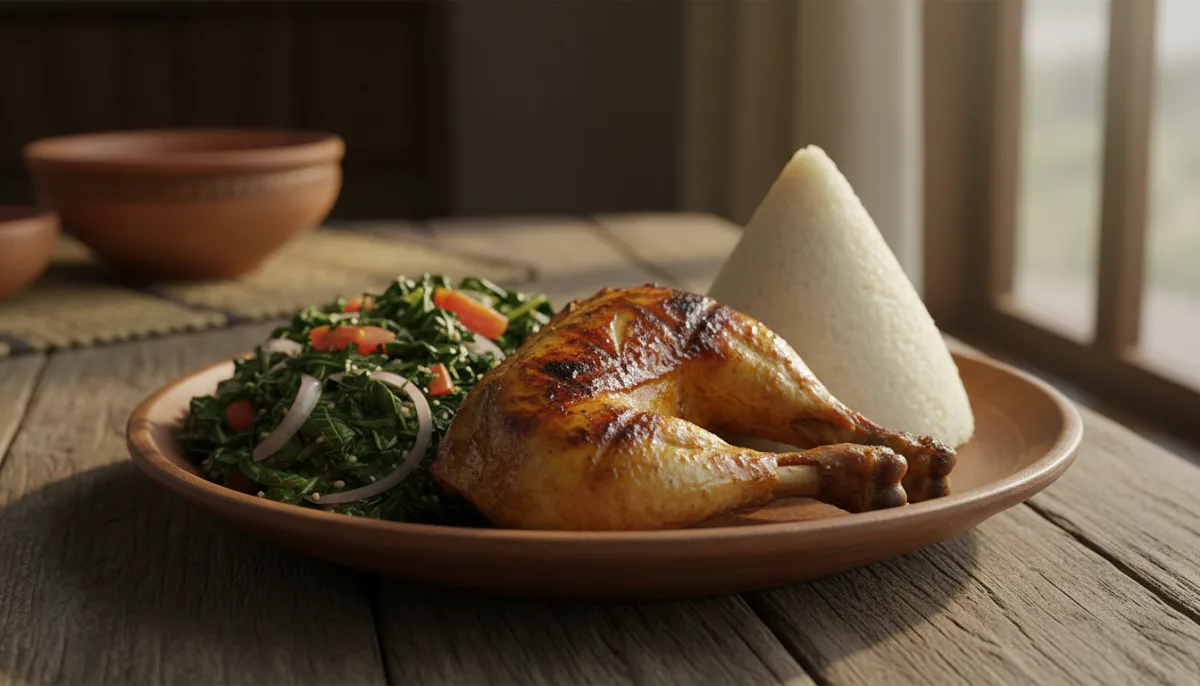
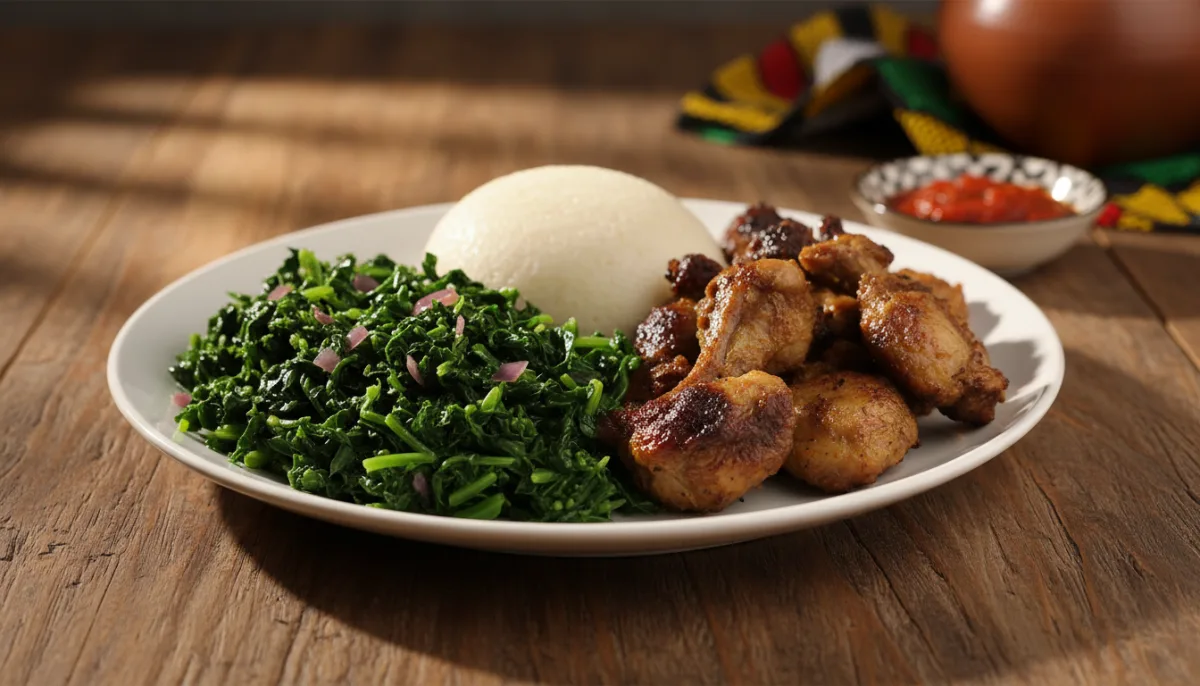
Serve the Kenyan Ndengu Stew with warm, flaky chapati for dipping. It also pairs wonderfully with ugali (a cornmeal porridge), rice, or a simple kachumbari (fresh tomato and onion salad). For a complete meal, add a side of sautéed sukuma wiki (collard greens).

Common Mistakes

1. Not soaking the ndengu: This will drastically increase cooking time and result in tougher beans. Always soak them for at least 4 hours. 2. Overcooking the spices: Toasting spices is good, but burning them will make the stew bitter. Keep the heat moderate and stir constantly. 3. Not simmering long enough: Ndengu need time to become tender. Don't rush the simmering process. 4. Adding coconut milk too early: Coconut milk can curdle if boiled vigorously for too long. Add it towards the end of cooking. 5. Forgetting to adjust seasoning: Always taste the stew before serving and adjust salt and pepper as needed.

Frequently Asked Questions

Can I make this stew vegetarian/vegan?

Yes, this recipe is already vegetarian and vegan-friendly as written.

Can I freeze Ndengu Stew?

Yes, Ndengu Stew freezes well. Allow it to cool completely, then transfer to freezer-safe containers and freeze for up to 3 months. Thaw overnight in the refrigerator and reheat gently on the stovetop.

What kind of chapati should I use?

Store-bought frozen chapati works well for convenience, or you can make your own fresh chapati for the best flavor and texture.

Can I use canned green grams?

While fresh is preferred, you can use 1 can (15 ounces) of rinsed and drained canned green grams. Reduce the water to 1 cup and simmer for only 10-15 minutes to allow flavors to meld.
MORE TO KNOW
Ndengu, also known as mung beans, are a nutritional powerhouse, rich in protein and fiber. Soaking them beforehand significantly reduces cooking time and improves digestibility. This stew is incredibly versatile; feel free to add other vegetables like spinach or carrots during the last 10 minutes of simmering for extra nutrients and flavor. The key to a good ndengu stew is allowing the spices to bloom in the oil before adding liquids, which deepens the overall taste profile.
WHAT PEOPLE THINK

Reviews

☆

No reviews yet

Be the first person to review this recipe.

SHARE YOUR THOUGHTS

Made this recipe?

Tell us how it turned out.

Your review will be checked before appearing publicly.