Home › Recipes › Lunch ›Serbian ›Traditional Serbian Beef and Potato Goulash
LUNCH

Traditional Serbian Beef and Potato Goulash

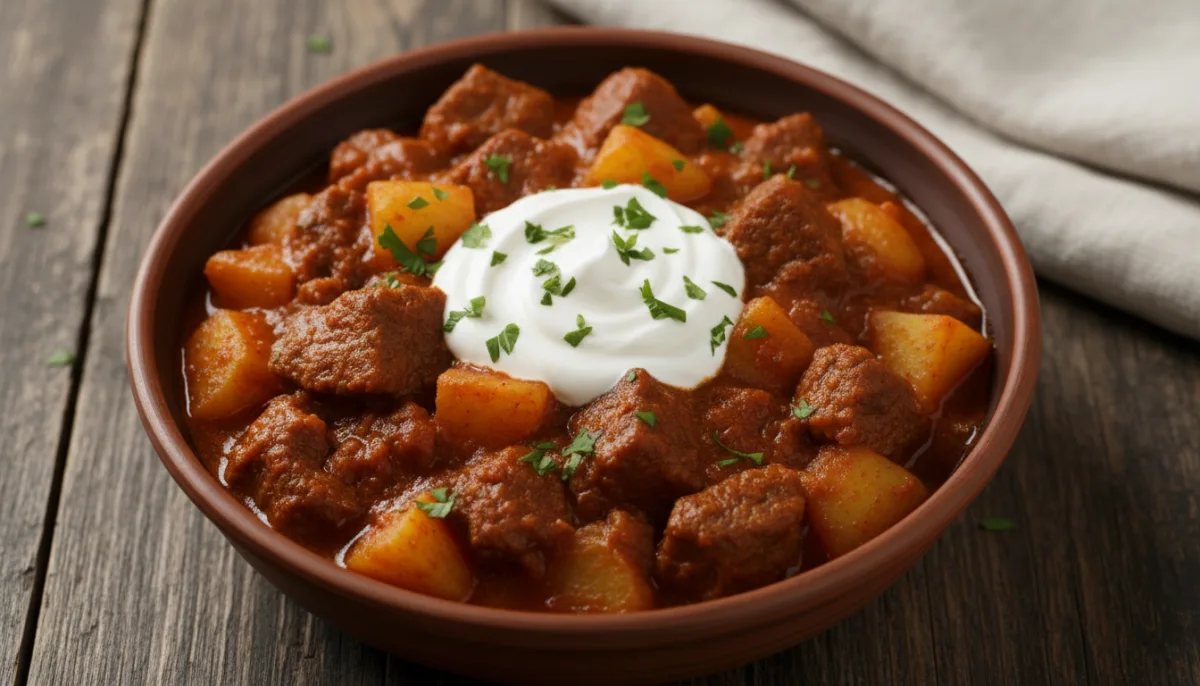
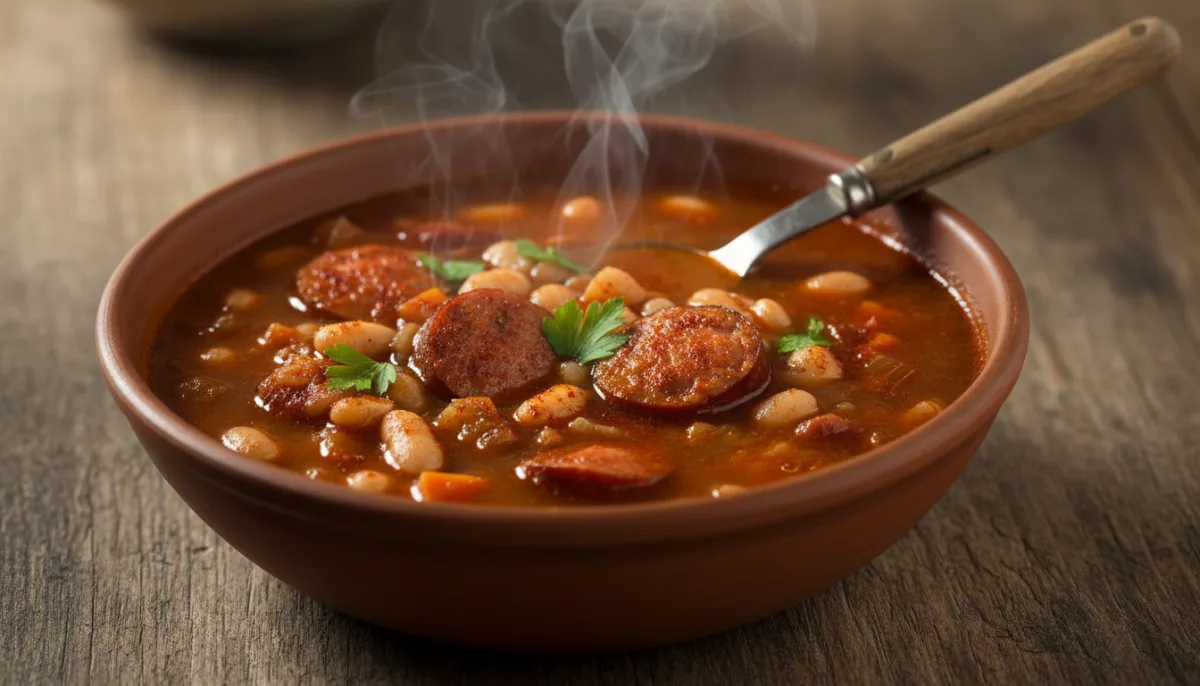
Savor the rich flavors of Serbia with this comforting goulash. Tender beef and hearty potatoes are slow-simmered in a deeply spiced paprika sauce, creating a satisfying meal that's perfect for any occasion. A dollop of sour cream adds a creamy finish to this classic dish.

✎
HOW TO MAKE IT

Let's cook.

01

Heat 2 tablespoons of vegetable oil in a large Dutch oven or heavy-bottomed pot over medium-high heat. Brown the 1.5 pounds of beef chuck cubes in batches, ensuring not to overcrowd the pot. Remove the browned beef and set aside.

02

Reduce heat to medium. Add the 1 large chopped onion to the pot and cook for 5-7 minutes, until softened and translucent. Add the 3 cloves of minced garlic and cook for 1 minute more, until fragrant.

03

Stir in the 2 tablespoons of sweet paprika, 1 teaspoon of salt, and 0.5 teaspoon of black pepper. Cook for 1 minute, stirring constantly, to toast the spices.

04

Return the browned beef to the pot. Pour in the 3 cups of beef broth, scraping up any browned bits from the bottom of the pot. Bring the mixture to a simmer, then reduce the heat to low, cover, and cook for 60 minutes, or until the beef is tender.

05

Add the 1.5 pounds of cubed potatoes to the pot. Increase heat to medium-low, cover, and continue to simmer for 20-25 minutes, or until the potatoes are fork-tender.

06

Taste and adjust seasoning if necessary. Serve the goulash hot, topped with a dollop of 0.5 cup of sour cream on each serving.

About This Recipe

Savor the rich flavors of Serbia with this comforting goulash. Tender beef and hearty potatoes are slow-simmered in a deeply spiced paprika sauce, creating a satisfying meal that's perfect for any occasion. A dollop of sour cream adds a creamy finish to this classic dish.
Traditional Serbian Beef and Potato Goulash
Simple ingredients.
Big flavor.
✦
♨

Chef's Tips

For a richer flavor, use a combination of sweet and smoked paprika. If you prefer a thicker stew, you can mash a few potato cubes against the side of the pot before serving.
↔

Easy Substitutions

Pork shoulder can be used instead of beef chuck. For a dairy-free option, omit the sour cream or use a plant-based alternative. Carrots or bell peppers can be added with the potatoes for extra vegetables.
▱

Storage & Reheating

Store leftover goulash in an airtight container in the refrigerator for up to 3 days. Reheat gently on the stovetop over medium-low heat until warmed through, adding a splash of broth or water if needed.

Serving Suggestions

Serve this hearty goulash with crusty bread for dipping, a simple green salad, or a side of pickled vegetables. It also pairs wonderfully with a glass of dry red wine.

Common Mistakes

Overcrowding the pot when browning the beef can lead to steaming instead of browning, resulting in less flavor. Not cooking the paprika briefly can leave it tasting raw. Adding potatoes too early can cause them to become mushy; they should be added when the beef is already tender. Not simmering long enough will result in tough meat.

Frequently Asked Questions

Can I make this goulash in a slow cooker?

Yes, after browning the beef and sautéing the aromatics, transfer everything to a slow cooker and cook on low for 6-8 hours or on high for 3-4 hours. Add the potatoes during the last 1-2 hours of cooking.


What kind of potatoes are best for goulash?

Waxy or all-purpose potatoes like Yukon Gold or red potatoes hold their shape well during simmering, preventing them from becoming too mushy.

Can I freeze this goulash?

Yes, goulash freezes well. Allow it to cool completely, then transfer to freezer-safe containers and freeze for up to 3 months. Thaw in the refrigerator overnight and reheat on the stovetop.
MORE TO KNOW
The key to a great goulash is slow simmering, which allows the beef to become incredibly tender and the flavors to meld beautifully. Browning the meat properly before adding liquids creates a deeper, more complex flavor base. Don't rush this step, as it significantly impacts the final taste. The paprika should be cooked briefly to release its aroma but not burned, which can make it bitter.
WHAT PEOPLE THINK

Reviews

☆

No reviews yet

Be the first person to review this recipe.

SHARE YOUR THOUGHTS

Made this recipe?

Tell us how it turned out.

Your review will be checked before appearing publicly.