Home › Recipes › Dessert ›Ecuadorian ›Ecuadorian Quinoa and Amaranth Pudding with Spiced Pineapple Compote
DESSERT

Ecuadorian Quinoa and Amaranth Pudding with Spiced Pineapple Compote

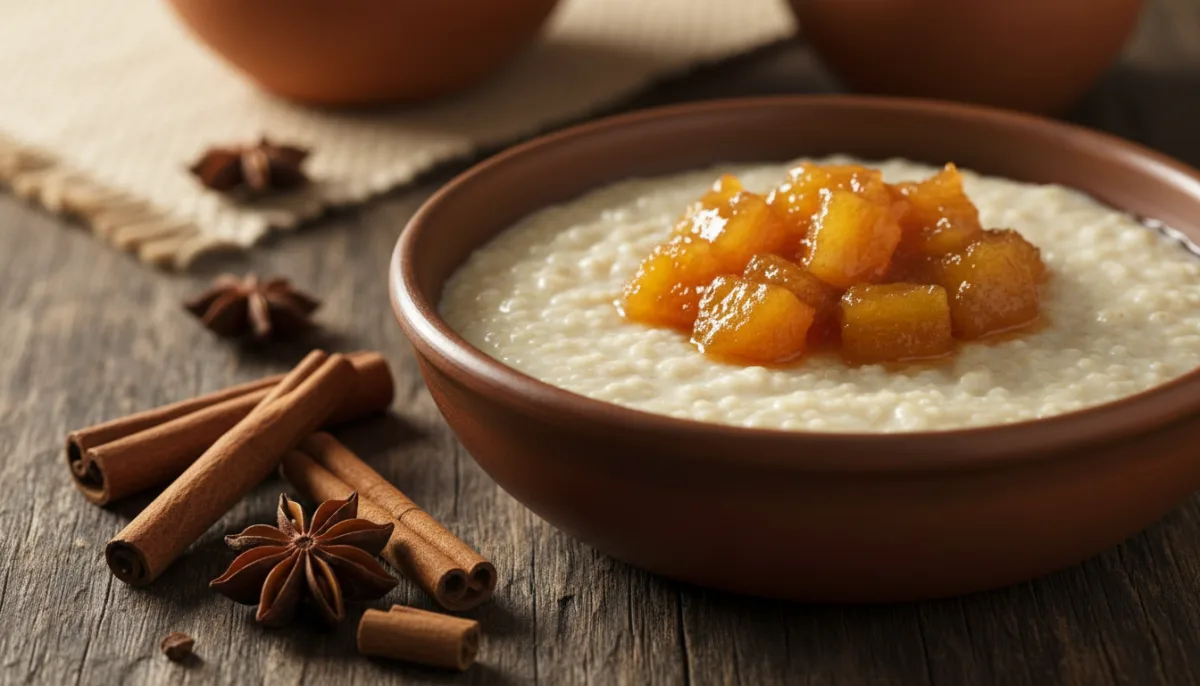
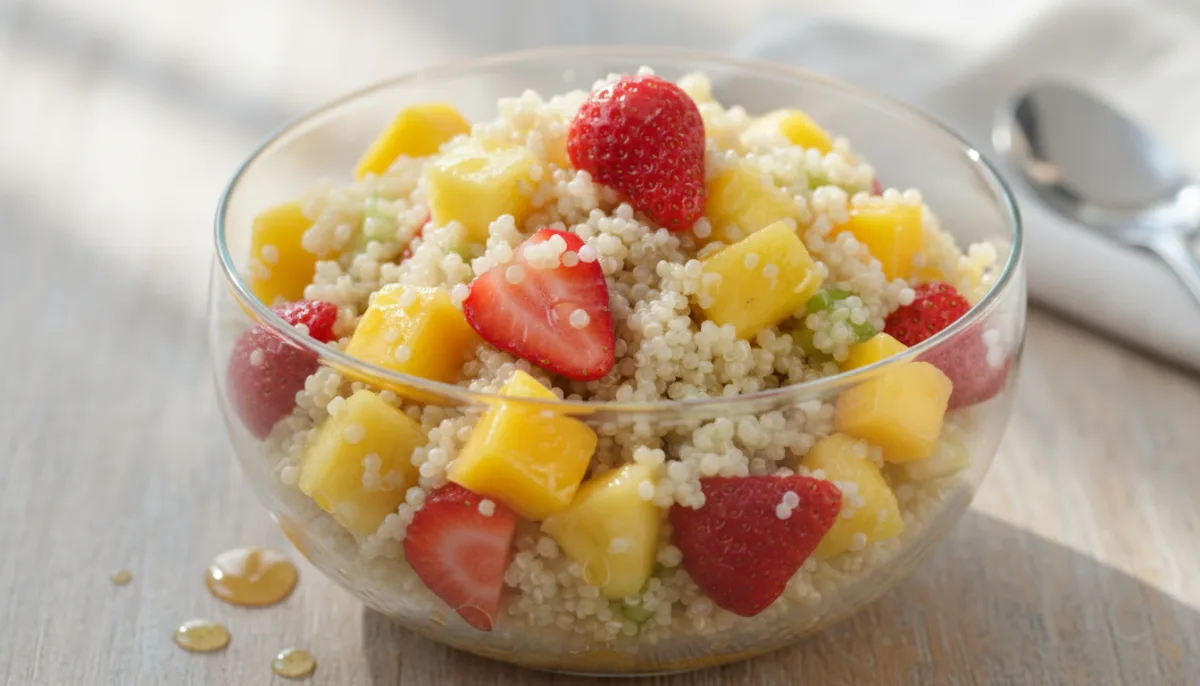
This delightful Ecuadorian-inspired dessert combines the nutty textures of quinoa and amaranth into a creamy pudding, perfectly complemented by a vibrant, spiced pineapple compote. It's a unique and wholesome treat that offers a taste of Andean flavors.

✎
HOW TO MAKE IT

Let's cook.

01

Combine the rinsed quinoa, amaranth, whole milk, panela, and 1/4 teaspoon of ground cinnamon in a medium saucepan. Bring to a gentle simmer over medium heat, stirring occasionally.

02

Reduce heat to low, cover, and cook for 20-25 minutes, or until the grains are tender and the mixture has thickened to a pudding consistency. Stir occasionally to prevent sticking.

03

While the pudding cooks, prepare the spiced pineapple compote. In a small saucepan, combine the diced pineapple, lime juice, ground cloves, and a pinch of salt.

04

Cook the compote over medium-low heat for 8-10 minutes, stirring occasionally, until the pineapple softens and releases its juices, creating a syrupy consistency.

05

Remove both the pudding and compote from the heat. Stir the remaining 1/4 teaspoon of ground cinnamon into the pudding.

06

Divide the warm pudding among serving bowls and top generously with the spiced pineapple compote. Serve immediately.

About This Recipe

This delightful Ecuadorian-inspired dessert combines the nutty textures of quinoa and amaranth into a creamy pudding, perfectly complemented by a vibrant, spiced pineapple compote. It's a unique and wholesome treat that offers a taste of Andean flavors.
Ecuadorian Quinoa and Amaranth Pudding with Spiced Pineapple Compote
Simple ingredients.
Big flavor.
✦
♨

Chef's Tips

For a richer flavor, toast the quinoa and amaranth lightly in a dry pan for 2-3 minutes before adding to the milk. Adjust the sweetness of the pudding and compote to your preference by adding more or less panela/sugar.
↔

Easy Substitutions

You can use coconut milk for a dairy-free version. Maple syrup or honey can replace panela. Mango or peaches can be used instead of pineapple for the compote.
▱

Storage & Reheating

Store leftover pudding and compote separately in airtight containers in the refrigerator for up to 3 days. Reheat gently on the stovetop or in the microwave, adding a splash of milk if needed for the pudding.

Serving Suggestions

Serve this pudding warm as a comforting dessert. It can also be enjoyed chilled for a refreshing treat. Garnish with a sprinkle of toasted coconut flakes or a fresh mint sprig. A dollop of plain yogurt or a scoop of vanilla ice cream would also complement the flavors beautifully.

Common Mistakes

Not rinsing the grains: This can lead to a bitter taste. Always rinse quinoa and amaranth thoroughly under cold water. Cooking on too high heat: The pudding can scorch easily. Keep the heat low and stir frequently. Not stirring enough: The grains can stick to the bottom of the pan and burn. Stir every few minutes. Overcooking the compote: The pineapple can become mushy. Cook just until softened and syrupy.

Frequently Asked Questions

Can I make this recipe ahead of time?

Yes, you can prepare both the pudding and compote up to 2 days in advance and store them separately in the refrigerator. Reheat gently before serving.


What is panela?

Panela is an unrefined whole cane sugar, common in Latin America. It has a rich, caramel-like flavor. Brown sugar can be used as a substitute.

Can I use quick-cooking quinoa or amaranth?

While possible, the cooking times will vary. It's best to use regular whole grains for the best texture in this pudding.

Is this dessert gluten-free?

Yes, both quinoa and amaranth are naturally gluten-free, making this a suitable dessert for those with gluten sensitivities.
MORE TO KNOW
Quinoa and amaranth are ancient grains native to the Andes, highly valued for their nutritional content and versatility. Rinsing them thoroughly before cooking is crucial to remove saponins, which can impart a bitter taste. This recipe highlights their natural nutty flavors, making them a perfect base for a wholesome dessert. The panela, an unrefined whole cane sugar common in Latin America, adds a distinct caramel-like sweetness that pairs beautifully with the spices and fruit.
WHAT PEOPLE THINK

Reviews

☆

No reviews yet

Be the first person to review this recipe.

SHARE YOUR THOUGHTS

Made this recipe?

Tell us how it turned out.

Your review will be checked before appearing publicly.