Home › Recipes › Dinner ›Danish ›Danish Pork Loin with Prune and Apple Stuffing
DINNER

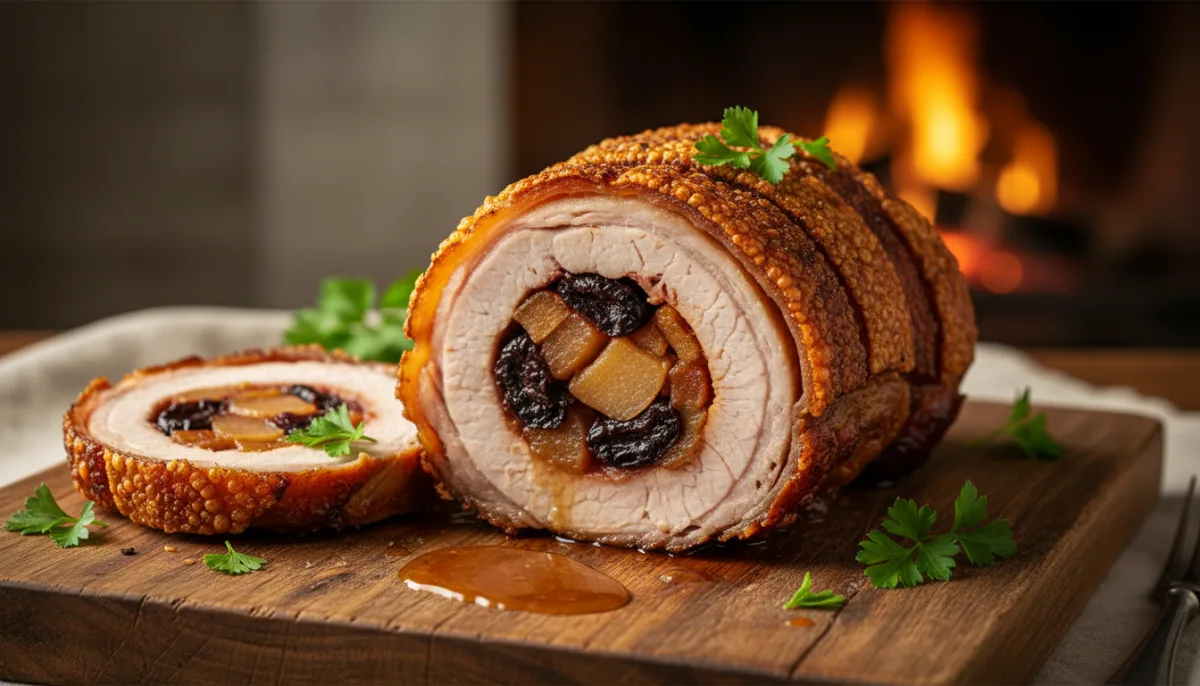
Danish Pork Loin with Prune and Apple Stuffing

Elevate your dinner table with this classic Danish pork roast, where a tender pork loin is generously filled with a delightful blend of sweet prunes and crisp apples. Slow-roasted to perfection, this dish promises a juicy, flavorful main course with an irresistible pan sauce.

✎
HOW TO MAKE IT

Let's cook.

01

Preheat oven to 350°F (175°C). Lay the butterflied pork loin flat on a cutting board. Season the inside evenly with 1/2 teaspoon salt and 1/4 teaspoon black pepper.

02

In a small bowl, combine the chopped prunes, diced apple, and chopped parsley. Spread this mixture evenly over the seasoned pork loin.

03

Carefully roll the pork loin tightly, starting from one long side. Secure the roast with kitchen twine at 1-inch intervals to hold its shape.

04

Season the outside of the rolled pork roast with the remaining 1/2 teaspoon salt and 1/4 teaspoon black pepper. Heat 1 tablespoon olive oil in a large oven-safe skillet or Dutch oven over medium-high heat.

05

Sear the pork roast on all sides until golden brown, about 2-3 minutes per side. Remove the roast from the skillet and set aside.

06

Pour the chicken broth into the skillet, scraping up any browned bits from the bottom. Return the pork roast to the skillet.

07

Roast in the preheated oven at 350°F (175°C) for 1 hour and 45 minutes to 2 hours, or until an internal temperature of 145°F (63°C) is reached. Let the roast rest for 10 minutes before slicing.

08

Remove the kitchen twine, slice the roast into thick medallions, and serve with the pan juices.

About This Recipe

Elevate your dinner table with this classic Danish pork roast, where a tender pork loin is generously filled with a delightful blend of sweet prunes and crisp apples. Slow-roasted to perfection, this dish promises a juicy, flavorful main course with an irresistible pan sauce.
Danish Pork Loin with Prune and Apple Stuffing
Simple ingredients.
Big flavor.
✦
♨

Chef's Tips

For extra flavor, soak the prunes in a tablespoon of brandy or rum for 30 minutes before chopping. This adds a subtle depth to the stuffing.
↔

Easy Substitutions

Pears can be used instead of apples for a slightly different sweetness. Pork shoulder can be used, but adjust cooking time as it may require longer to become tender. Beef broth can replace chicken broth.
▱

Storage & Reheating

Store leftover pork roast and pan juices in an airtight container in the refrigerator for up to 3-4 days. Reheat gently in the oven or microwave.

Serving Suggestions

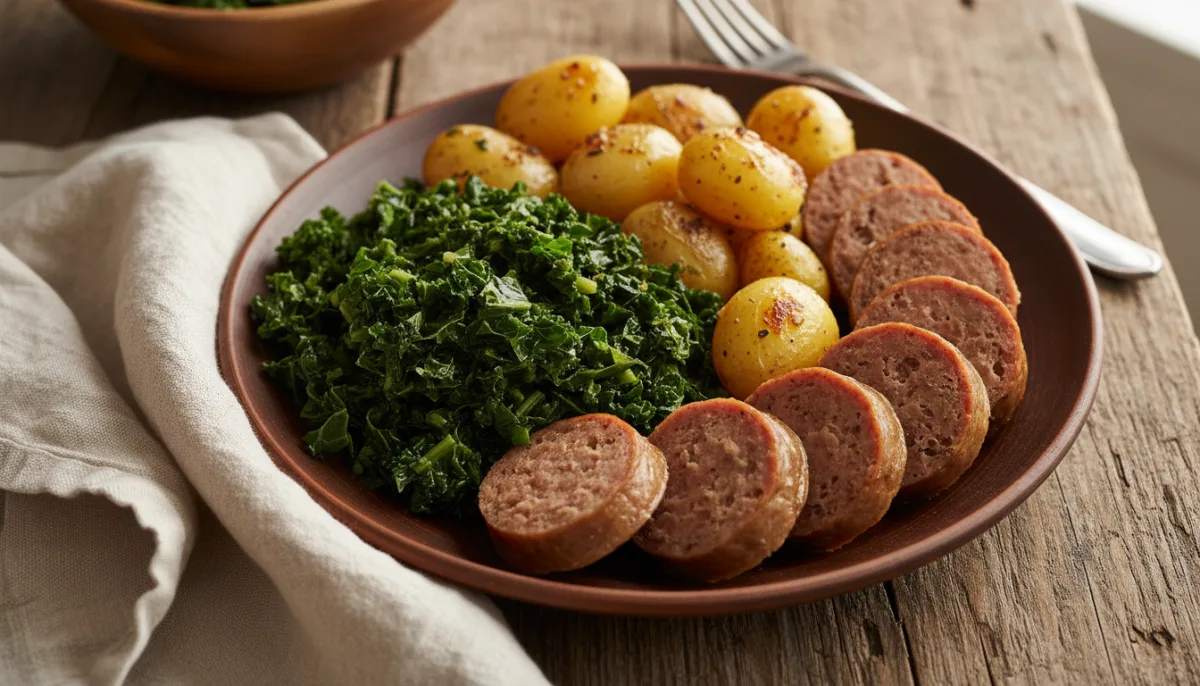
Serve this Danish pork roast with boiled or roasted potatoes, braised red cabbage, or a simple green salad. A side of creamy mashed potatoes would also complement the rich flavors.

Common Mistakes

Overcooking the pork: Pork loin can dry out easily. Use a meat thermometer to ensure it reaches 145°F (63°C) and no higher. Not searing the roast: Searing creates a flavorful crust and locks in juices. Skipping this step will result in a less flavorful exterior. Not resting the meat: Resting allows the juices to redistribute, resulting in a more tender and moist roast. Cutting too soon will cause juices to run out. Overstuffing the loin: Too much stuffing can make it difficult to roll and secure the roast, and may cause it to burst during cooking.

Frequently Asked Questions

Can I prepare the roast ahead of time?

You can butterfly and stuff the pork loin up to 24 hours in advance. Store it tightly wrapped in the refrigerator and bring it to room temperature for 30 minutes before searing and roasting.


What kind of apples work best?

Firm, slightly tart apples like Granny Smith or Honeycrisp hold their shape well and balance the sweetness of the prunes.

How do I prevent the stuffing from falling out?

Tightly rolling the roast and securing it well with kitchen twine is key. Don't overstuff the loin.
MORE TO KNOW
Butterflying a pork loin allows for even stuffing and creates a beautiful spiral when sliced. To butterfly, place the loin on a cutting board. With a sharp knife, make a horizontal cut along one long side, stopping about 1/2 inch from the opposite side. Open the loin like a book. If it's still too thick, you can make another horizontal cut to further thin it out, creating a larger, flatter surface for stuffing.
WHAT PEOPLE THINK

Reviews

☆

No reviews yet

Be the first person to review this recipe.

SHARE YOUR THOUGHTS

Made this recipe?

Tell us how it turned out.

Your review will be checked before appearing publicly.