Home › Recipes › Dinner ›Yemeni ›Yemeni Saltah (Fenugreek Stew) with Lamb and Vegetables
DINNER

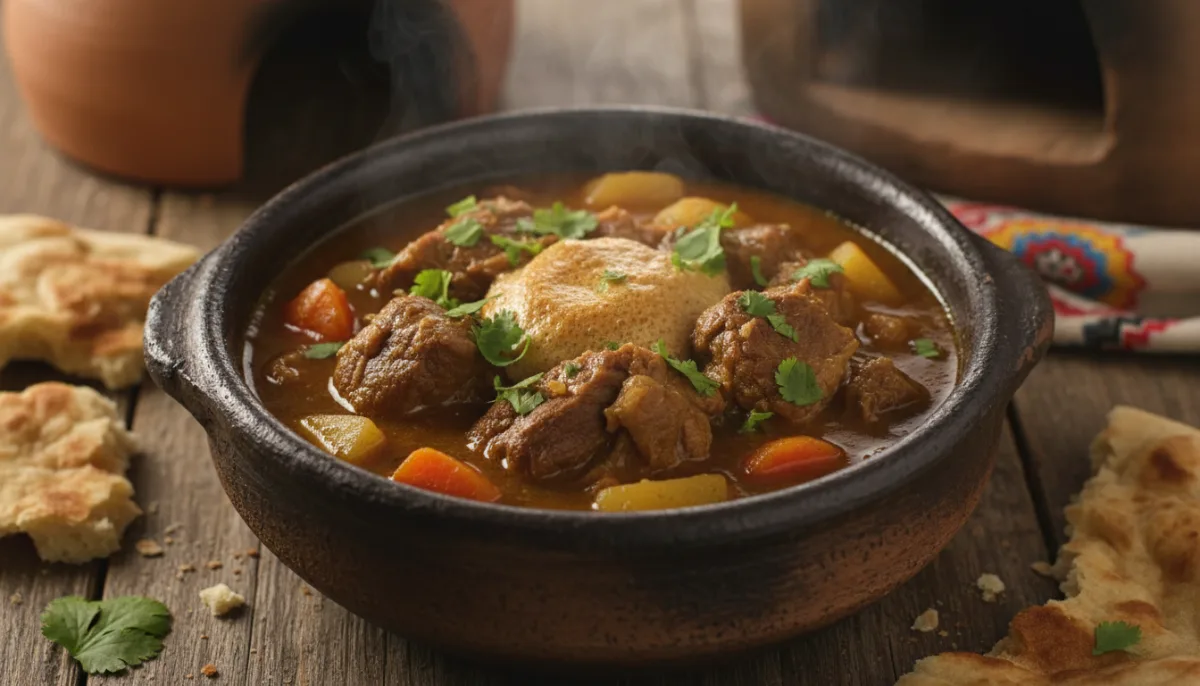
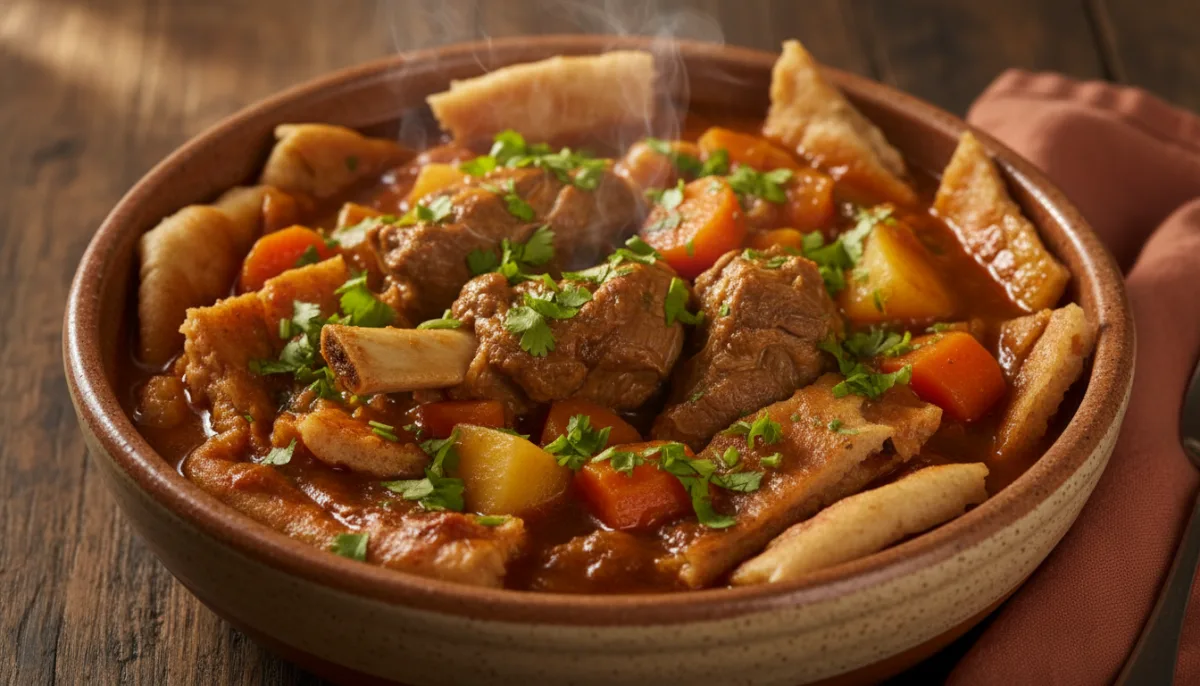
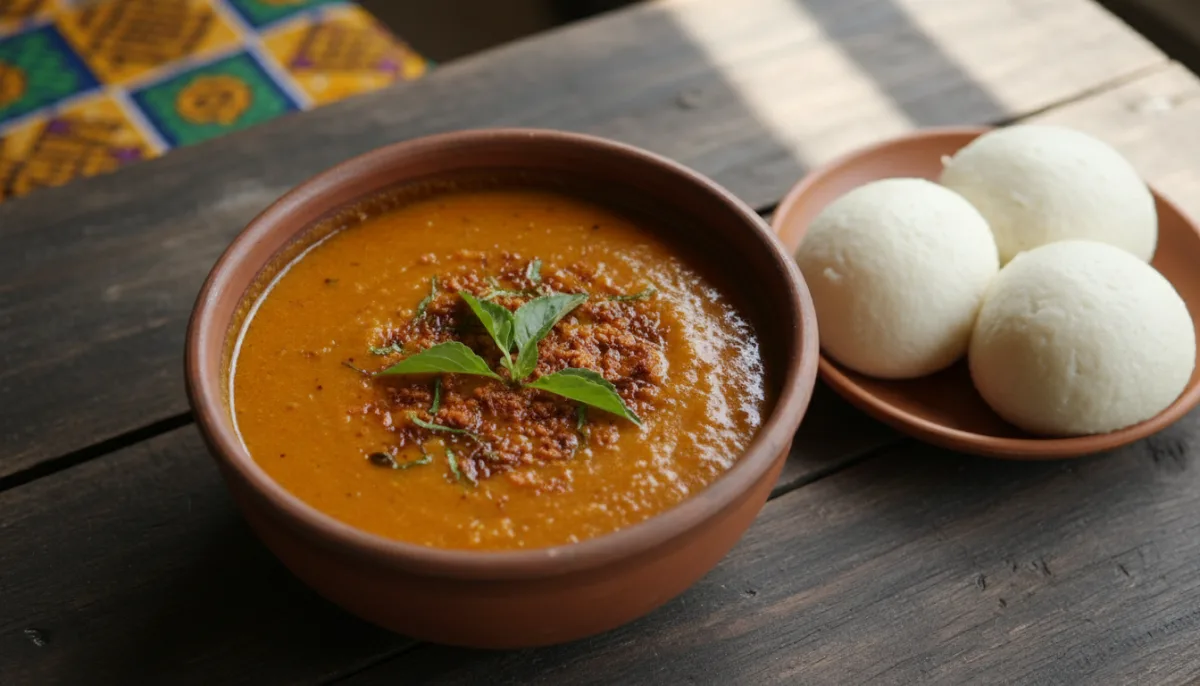
Yemeni Saltah (Fenugreek Stew) with Lamb and Vegetables

Experience the rich, savory flavors of Yemen with this hearty Saltah, a traditional fenugreek stew featuring tender lamb and a medley of vegetables. This comforting dish is perfect for a satisfying dinner, offering a unique blend of spices and textures.

✎
HOW TO MAKE IT

Let's cook.

01

Heat olive oil in a large heavy-bottomed pot or Dutch oven over medium-high heat. Add lamb cubes and brown on all sides for 8-10 minutes. Remove lamb and set aside.

02

Add chopped onion to the pot and cook until softened, about 5-7 minutes. Stir in minced garlic, ground cumin, turmeric powder, and black pepper, cooking for 1 minute until fragrant.

03

Return the browned lamb to the pot. Add diced tomatoes, beef broth, and salt. Bring to a boil, then reduce heat to low, cover, and simmer for 60 minutes.

04

Add the soaked and drained fenugreek leaves, cubed potatoes, and chopped carrots to the pot. Stir well.

05

Continue to simmer, covered, for another 45-60 minutes, or until the lamb is very tender and the vegetables are cooked through.

06

Taste and adjust seasoning if necessary. The stew should be thick and rich.

07

Ladle the Yemeni Saltah into serving bowls. Garnish generously with fresh chopped cilantro before serving.

About This Recipe

Experience the rich, savory flavors of Yemen with this hearty Saltah, a traditional fenugreek stew featuring tender lamb and a medley of vegetables. This comforting dish is perfect for a satisfying dinner, offering a unique blend of spices and textures.
Yemeni Saltah (Fenugreek Stew) with Lamb and Vegetables
Simple ingredients.
Big flavor.
✦
♨

Chef's Tips

For a thicker stew, mash some of the potatoes against the side of the pot before serving. Serve with warm flatbread or rice to soak up the delicious broth.
↔

Easy Substitutions

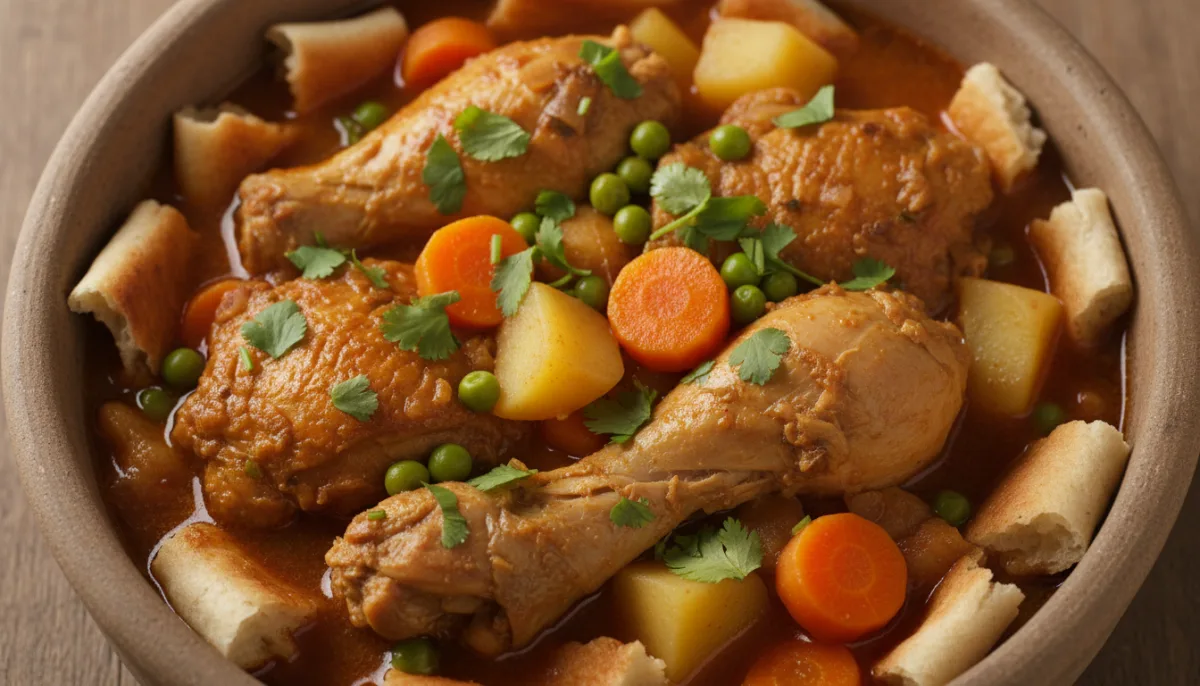
Chicken or beef can be used instead of lamb. If dried fenugreek leaves are unavailable, use 1 tablespoon of ground fenugreek, but be aware the flavor will be more intense. Add 1/2 cup of chopped bell peppers for extra color and flavor.
▱

Storage & Reheating

Store leftover Saltah in an airtight container in the refrigerator for up to 3 days. Reheat gently on the stovetop over medium-low heat until warmed through.

Serving Suggestions

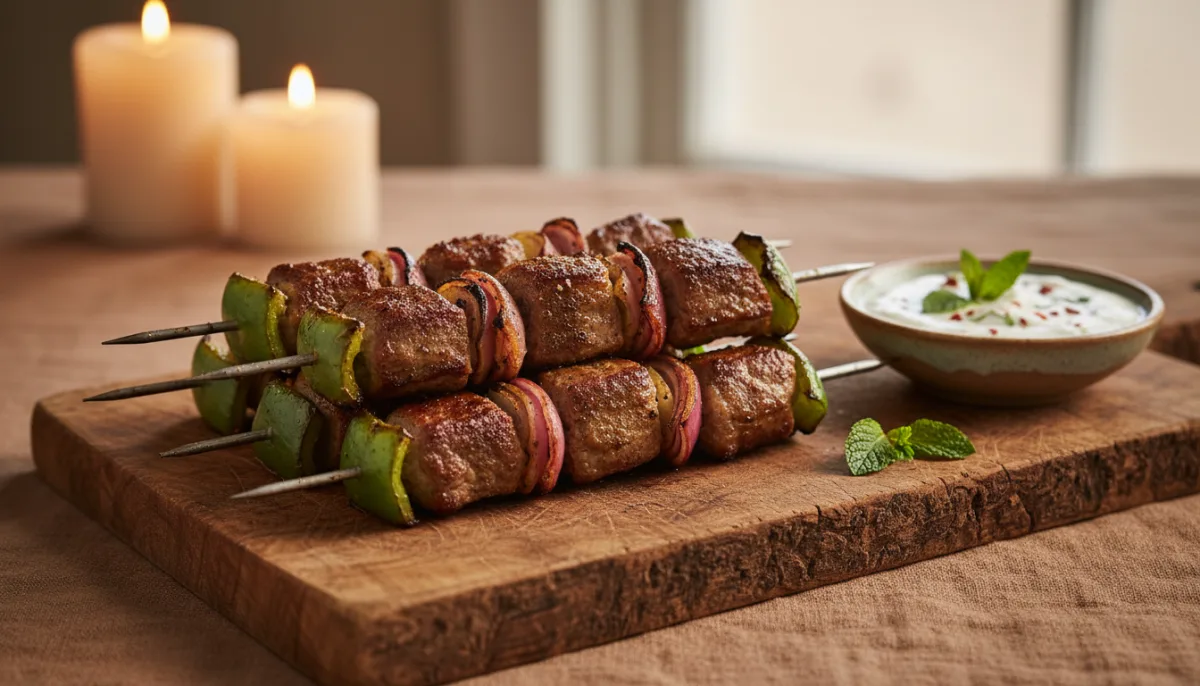
Serve with warm Yemeni flatbread (khobz) or pita bread for dipping. A side of plain white rice or a simple green salad with a lemon vinaigrette would also complement the stew well. For an authentic touch, offer a side of fresh sliced onions and green chilies.

Common Mistakes

Not browning the lamb sufficiently: This step adds crucial flavor and color to the stew. Undercooking the lamb: Lamb shoulder needs ample time to become tender. Ensure it simmers for the full duration. Not soaking dried fenugreek leaves: Soaking helps rehydrate them and mellows their bitterness. Over-seasoning with fenugreek: If using ground fenugreek, start with a smaller amount and adjust to taste, as it can be quite strong. Not adjusting salt at the end: Always taste and adjust seasoning before serving.

Frequently Asked Questions

Can I make this Saltah vegetarian?

Yes, you can omit the lamb and beef broth, using vegetable broth and adding more hearty vegetables like chickpeas, zucchini, or eggplant for a vegetarian version of this recipe.


What is fenugreek and what does it taste like?

Fenugreek is an herb with a slightly bitter, nutty, and subtly sweet flavor. It's a staple in many Middle Eastern and Indian cuisines. In Saltah, it adds a distinctive earthy depth.

Can I freeze Yemeni Saltah?

Yes, Saltah freezes well. Allow it to cool completely, then transfer to freezer-safe containers. It can be frozen for up to 3 months. Thaw in the refrigerator overnight and reheat on the stovetop.
MORE TO KNOW
Yemeni Saltah is traditionally served in a stone bowl called a 'magla' and often accompanied by 'hulbah', a whipped fenugreek sauce. While this recipe incorporates fenugreek directly into the stew, you can still achieve a similar authentic experience. The long simmering time is crucial for tenderizing the lamb and allowing the flavors to meld beautifully. Don't rush this step, as it's key to the stew's rich depth.
WHAT PEOPLE THINK

Reviews

☆

No reviews yet

Be the first person to review this recipe.

SHARE YOUR THOUGHTS

Made this recipe?

Tell us how it turned out.

Your review will be checked before appearing publicly.