Home › Recipes › Breakfast ›Sichuan ›Sichuan Morning Noodles with Savory Pork and Pickled Greens
BREAKFAST

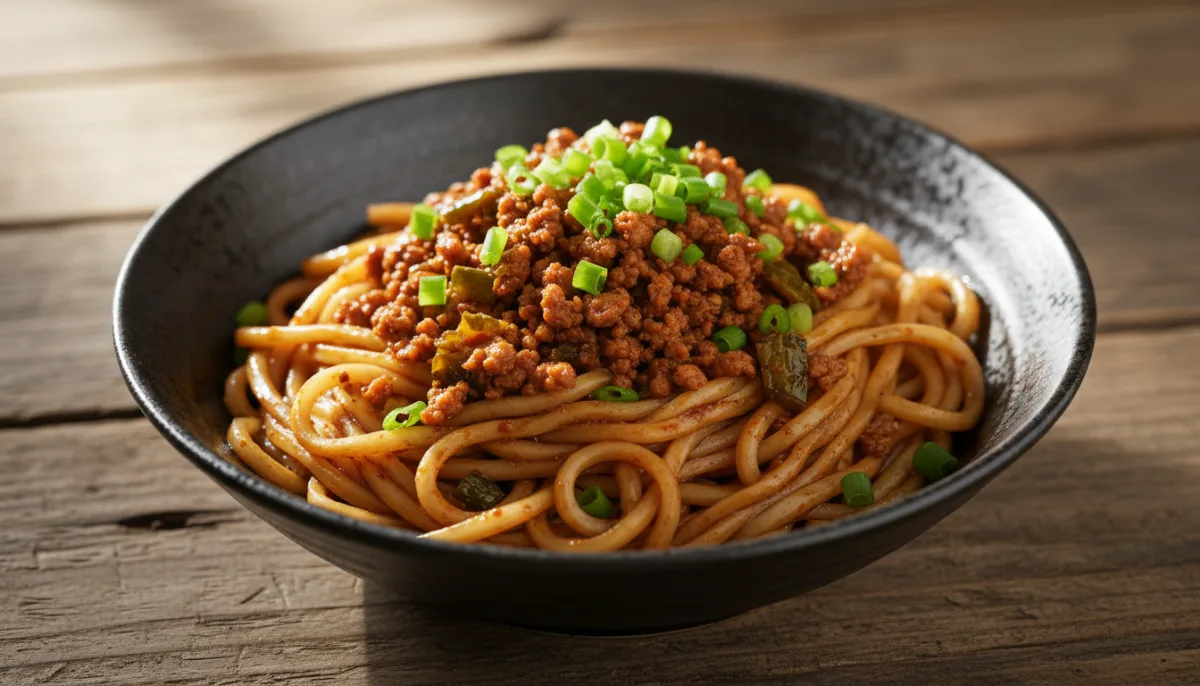
Sichuan Morning Noodles with Savory Pork and Pickled Greens

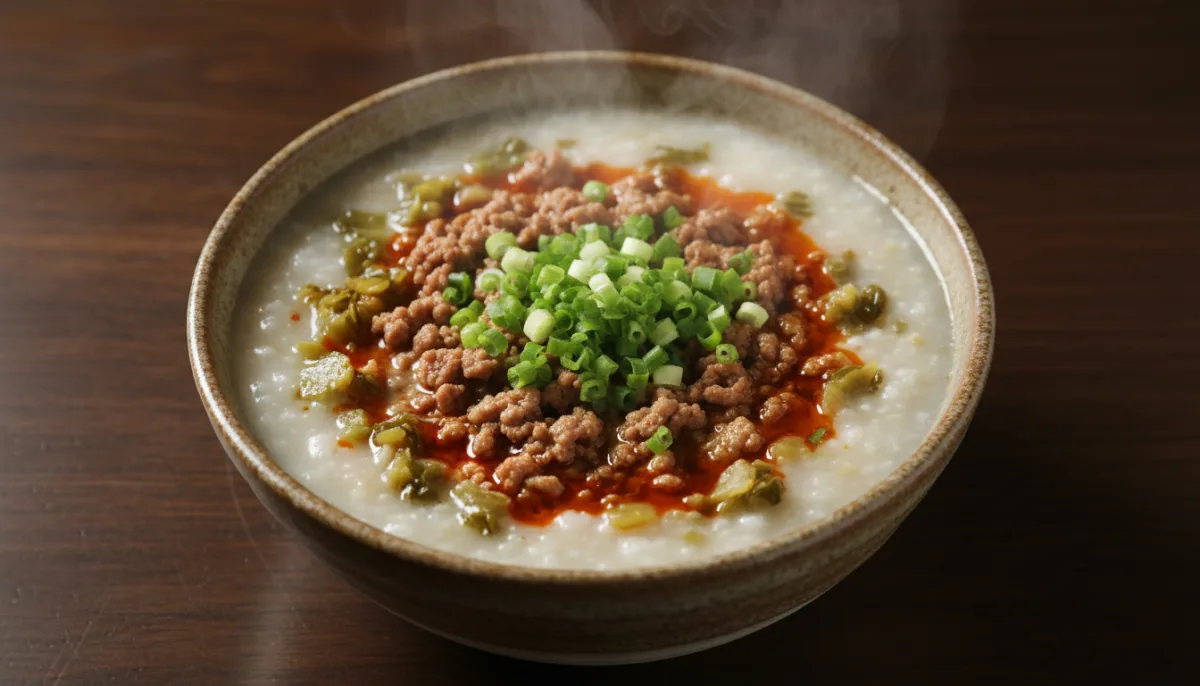
Awaken your palate with a vibrant bowl of Sichuan-inspired morning noodles. This recipe combines succulent minced pork, tangy preserved vegetables, and a fiery, fragrant sauce for a breakfast that's both satisfying and invigorating.

✎
HOW TO MAKE IT

Let's cook.

01

Bring a large pot of water to a rolling boil. Cook the fresh wheat noodles according to package directions until al dente, typically 2-3 minutes. Drain well and set aside.

02

While the noodles cook, heat 1 tablespoon of cooking oil in a wok or large skillet over medium-high heat. Add the ground pork and cook, breaking it up with a spoon, until browned and cooked through, about 5-7 minutes. Drain any excess fat.

03

Add the minced garlic and diced preserved mustard greens to the pork. Stir-fry for 1 minute until fragrant.

04

Stir in the Sichuan chili oil, light soy sauce, Chinkiang vinegar, ground Sichuan peppercorns, and chicken broth. Bring the sauce to a simmer and cook for 2 minutes, allowing the flavors to meld.

05

Divide the cooked noodles between two serving bowls. Spoon the minced pork and sauce mixture over the noodles.

06

Garnish each bowl generously with chopped scallions. Serve immediately, with extra Sichuan chili oil on the side for those who prefer more heat.

About This Recipe

Awaken your palate with a vibrant bowl of Sichuan-inspired morning noodles. This recipe combines succulent minced pork, tangy preserved vegetables, and a fiery, fragrant sauce for a breakfast that's both satisfying and invigorating.
Sichuan Morning Noodles with Savory Pork and Pickled Greens
Simple ingredients.
Big flavor.
✦
♨

Chef's Tips

For extra depth of flavor, toast the whole Sichuan peppercorns in a dry pan for 1-2 minutes until fragrant before grinding them. Adjust the amount of chili oil to your preferred spice level. A fried egg makes a great addition to these noodles.
↔

Easy Substitutions

If fresh wheat noodles are unavailable, use dried ramen noodles (discarding the seasoning packet). Ground chicken or turkey can replace pork. Regular soy sauce can be used instead of light soy sauce, and rice vinegar can substitute for Chinkiang vinegar. Pickled daikon or radish can be used in place of preserved mustard greens.
▱

Storage & Reheating

Leftover noodles and pork mixture should be stored separately in airtight containers in the refrigerator for up to 2 days. Reheat the pork mixture gently on the stovetop or in the microwave, and cook fresh noodles for best results.

Serving Suggestions

Serve these noodles with a side of quick-pickled cucumbers for a refreshing contrast. A simple clear broth soup can complement the richness of the noodles. For a heartier meal, top with a fried or poached egg. A sprinkle of toasted sesame seeds can add extra texture and flavor.

Common Mistakes

Overcooking the noodles: This can lead to a mushy texture. Cook them just until al dente. Not rinsing preserved vegetables: Preserved mustard greens can be very salty; rinsing them is crucial for balance. Skipping the Sichuan peppercorns: These provide the signature numbing sensation; without them, the dish loses its authentic character. Not draining pork fat: Excess fat can make the dish greasy. Ensure you drain it after browning the pork. Under-seasoning: Taste the sauce before combining with noodles and adjust soy sauce or vinegar as needed.

Frequently Asked Questions

Can I make this vegetarian?

Yes, you can substitute the ground pork with crumbled firm tofu or plant-based ground meat. Use vegetable broth instead of chicken broth.


What if I don't have Chinkiang vinegar?

While Chinkiang vinegar offers a unique depth, you can use rice vinegar with a tiny pinch of sugar as a substitute.

How spicy is this recipe?

The recipe provides a moderate spice level. You can increase or decrease the Sichuan chili oil to match your preference.

Can I prepare parts of this ahead of time?

You can cook the pork and sauce mixture up to 1 day in advance and store it in the refrigerator. Cook the noodles fresh just before serving.

What kind of noodles are best?

Fresh wheat noodles, like those used for ramen or lo mein, are ideal. Dried ramen noodles (without the seasoning packet) are a good alternative.
MORE TO KNOW
The key to authentic Sichuan flavor in this dish lies in the balance of 'ma la' (numbing and spicy). Sichuan peppercorns provide the unique numbing sensation, while chili oil delivers the heat. Using fresh noodles ensures a better texture, but dried noodles work well too. Don't be afraid to experiment with the spice levels to suit your palate. The preserved mustard greens add a crucial salty, umami, and slightly tangy counterpoint to the rich pork and spicy sauce.
WHAT PEOPLE THINK

Reviews

☆

No reviews yet

Be the first person to review this recipe.

SHARE YOUR THOUGHTS

Made this recipe?

Tell us how it turned out.

Your review will be checked before appearing publicly.