Home › Recipes › Dinner ›Kazakh ›Kazakh Samsa with Savory Lamb, Onion, and Cumin
DINNER

Kazakh Samsa with Savory Lamb, Onion, and Cumin

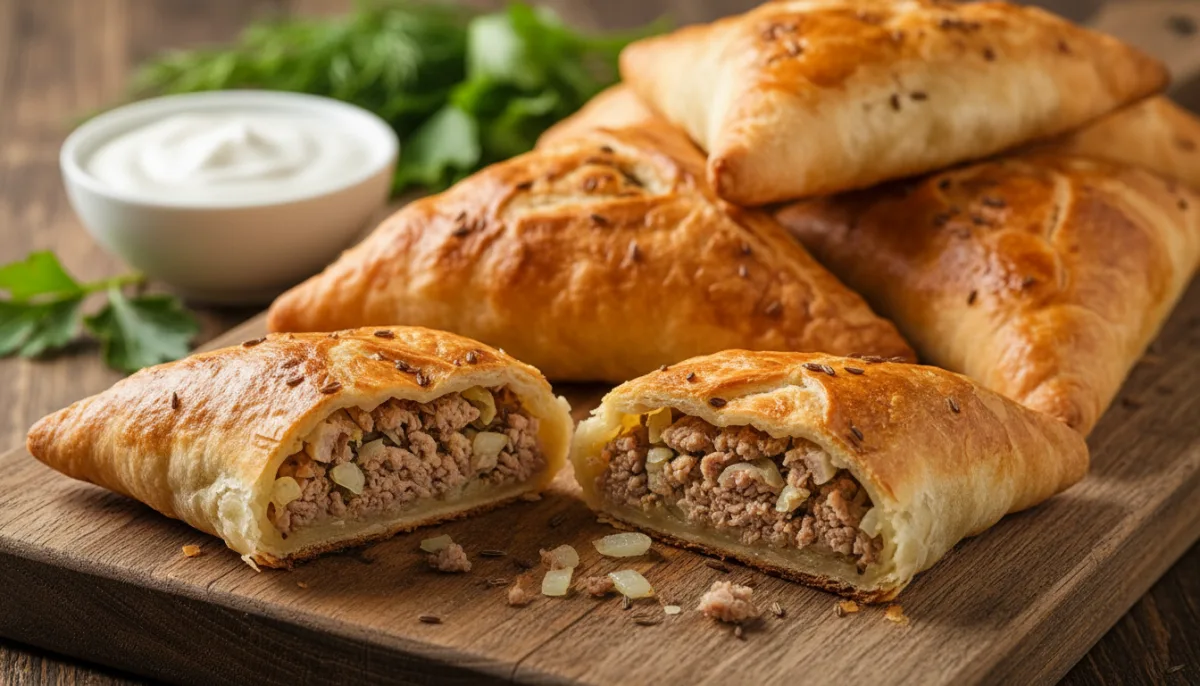
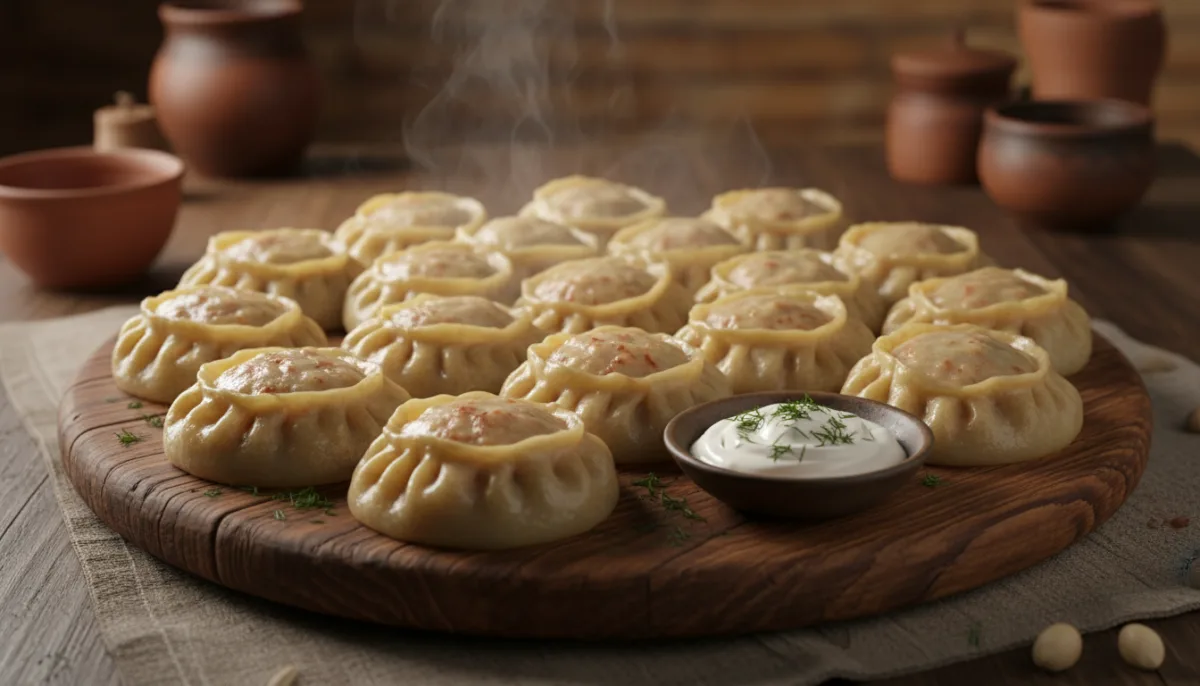
These traditional Kazakh Samsa are savory baked pastries filled with tender lamb, sweet onion, and aromatic cumin. Perfect as a hearty snack or a satisfying meal, they offer a taste of Central Asian comfort food.

✎
HOW TO MAKE IT

Let's cook.

01

In a large bowl, combine flour, warm water, 1/2 teaspoon salt, and vegetable oil. Mix until a shaggy dough forms, then knead on a lightly floured surface for 5-7 minutes until smooth and elastic. Cover and let rest for 30 minutes.

02

While the dough rests, prepare the filling: In a separate bowl, combine ground lamb, diced yellow onion, ground cumin, black pepper, and 1/2 teaspoon salt. Mix thoroughly until well combined.

03

Divide the rested dough into 12 equal pieces. Roll each piece into a thin circle, about 5-6 inches in diameter.

04

Place about 2 tablespoons of the lamb filling in the center of each dough circle. Fold the edges of the dough over the filling to create a triangular or square shape, pinching the seams tightly to seal.

05

Arrange the samsa on a baking sheet lined with parchment paper. Brush the tops of each samsa with the beaten egg wash.

06

Bake the samsa in a preheated oven at 375°F (190°C) for 25-30 minutes, or until golden brown and the lamb filling is cooked through.

About This Recipe

These traditional Kazakh Samsa are savory baked pastries filled with tender lamb, sweet onion, and aromatic cumin. Perfect as a hearty snack or a satisfying meal, they offer a taste of Central Asian comfort food.
Kazakh Samsa with Savory Lamb, Onion, and Cumin
Simple ingredients.
Big flavor.
✦
♨

Chef's Tips

For extra flavor, add a pinch of red pepper flakes to the lamb filling. Ensure the dough is rolled thinly but not so thin that it tears easily, as this will prevent the filling from leaking during baking. A sprinkle of sesame seeds or nigella seeds on top of the egg wash before baking adds a nice touch and subtle flavor.
↔

Easy Substitutions

Ground beef or chicken can be used instead of lamb. For a vegetarian option, use finely diced potatoes and carrots with a mix of spices. If you don't have cumin, coriander or a pinch of garam masala can offer a similar aromatic profile. Olive oil can replace vegetable oil in the dough.
▱

Storage & Reheating

Store leftover samsa in an airtight container in the refrigerator for up to 3 days. Reheat in a 300°F (150°C) oven for 10-15 minutes until warmed through, or in a microwave for 1-2 minutes.

Serving Suggestions

Serve these savory samsa warm with a side of plain yogurt or a fresh tomato and cucumber salad. They also pair wonderfully with a simple broth or a cup of hot tea for a light meal. For a more substantial dinner, serve alongside a pilaf or roasted vegetables.

Common Mistakes

1. Overfilling the samsa: This can lead to bursting during baking. Use only about 2 tablespoons of filling per pastry. 2. Not sealing the edges properly: This will cause the filling to leak out. Pinch the seams firmly and ensure there are no gaps. 3. Rolling the dough too thick: Thick dough results in a heavy, bready samsa. Aim for a thin, pliable dough. 4. Undercooking the lamb: Ensure the internal temperature of the lamb reaches 160°F (71°C) for safety.

Frequently Asked Questions

Can I make the dough ahead of time?

Yes, you can prepare the dough up to 24 hours in advance and store it in the refrigerator, tightly wrapped. Let it come to room temperature for about 30 minutes before rolling.


Can I freeze uncooked samsa?

Absolutely! Assemble the samsa, place them on a baking sheet, and freeze until solid. Once frozen, transfer them to a freezer-safe bag or container. Bake from frozen at 375°F (190°C) for 35-40 minutes, or until golden and cooked through.

What kind of lamb should I use?

Ground lamb with a moderate fat content (around 80/20) works best for a juicy filling. Leaner lamb might result in a drier samsa.
MORE TO KNOW
The key to a good samsa is a well-sealed pastry that keeps the juicy filling locked inside. When forming the triangles or squares, press firmly along all seams. If the dough feels too dry while working, lightly dampen your fingertips with water. The resting period for the dough is crucial for elasticity, making it easier to roll out thinly without tearing. Don't skip this step!
WHAT PEOPLE THINK

Reviews

☆

No reviews yet

Be the first person to review this recipe.

SHARE YOUR THOUGHTS

Made this recipe?

Tell us how it turned out.

Your review will be checked before appearing publicly.