Home›Recipes›Lunch›Cuban›Cuban Ajiaco: Pork and Root Vegetable Stew
LUNCH
Cuban Ajiaco: Pork and Root Vegetable Stew
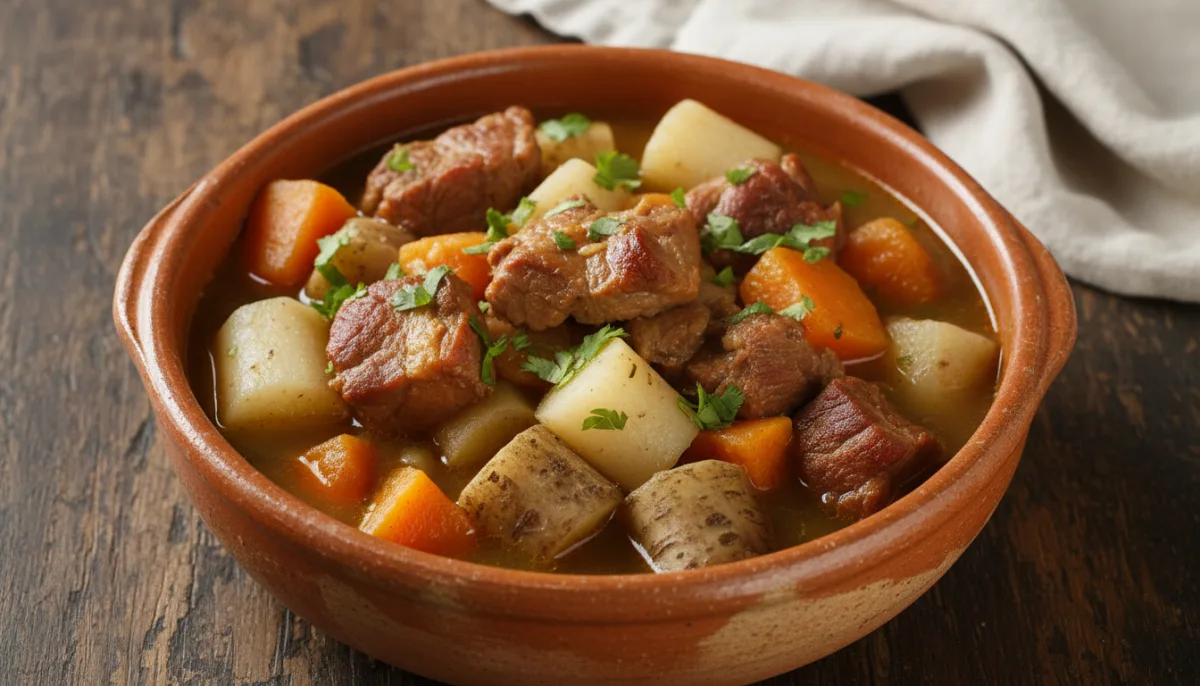
This Cuban Ajiaco recipe delivers a deeply satisfying and flavorful stew, brimming with succulent pork and a vibrant assortment of root vegetables. It's a robust dish, ideal for a comforting and substantial meal.
Heat olive oil in a large Dutch oven or heavy-bottomed pot over medium-high heat. Add pork shoulder and sear until browned on all sides, about 8-10 minutes. Remove pork and set aside.
02
Add chopped onion to the pot and cook until softened, about 5-7 minutes. Stir in minced garlic and ground cumin, cooking for 1 minute until fragrant.
03
Return the seared pork to the pot. Pour in chicken broth, ensuring the pork is mostly submerged. Bring to a boil, then reduce heat to low, cover, and simmer for 45 minutes.
04
Add the yuca, boniato, and malanga to the pot. Stir in salt and black pepper. Increase heat to medium-low, cover, and continue to simmer for another 45 minutes, or until all root vegetables are tender and the pork is easily shredded.
05
Carefully remove about 1 cup of the cooked root vegetables and mash them with a fork. Return the mashed vegetables to the stew, stirring well to thicken the broth slightly.
06
Taste and adjust seasoning as needed. Ladle the hearty Cuban Ajiaco into bowls and garnish with fresh chopped cilantro before serving.
About This Recipe
This Cuban Ajiaco recipe delivers a deeply satisfying and flavorful stew, brimming with succulent pork and a vibrant assortment of root vegetables. It's a robust dish, ideal for a comforting and substantial meal.
Simple ingredients. Big flavor.✦
♨
Chef's Tips
For an even richer flavor, you can brown the pork in batches to avoid overcrowding the pot. If you prefer a spicier stew, add a pinch of red pepper flakes with the cumin.
↔
Easy Substitutions
If malanga or boniato are unavailable, you can use additional yuca or regular sweet potatoes. Beef short ribs can be used instead of pork shoulder for a different meat option.
▱
Storage & Reheating
Store leftover Ajiaco in an airtight container in the refrigerator for up to 3 days. Reheat gently on the stovetop over medium-low heat until warmed through, adding a splash of broth if it's too thick.
Serving Suggestions
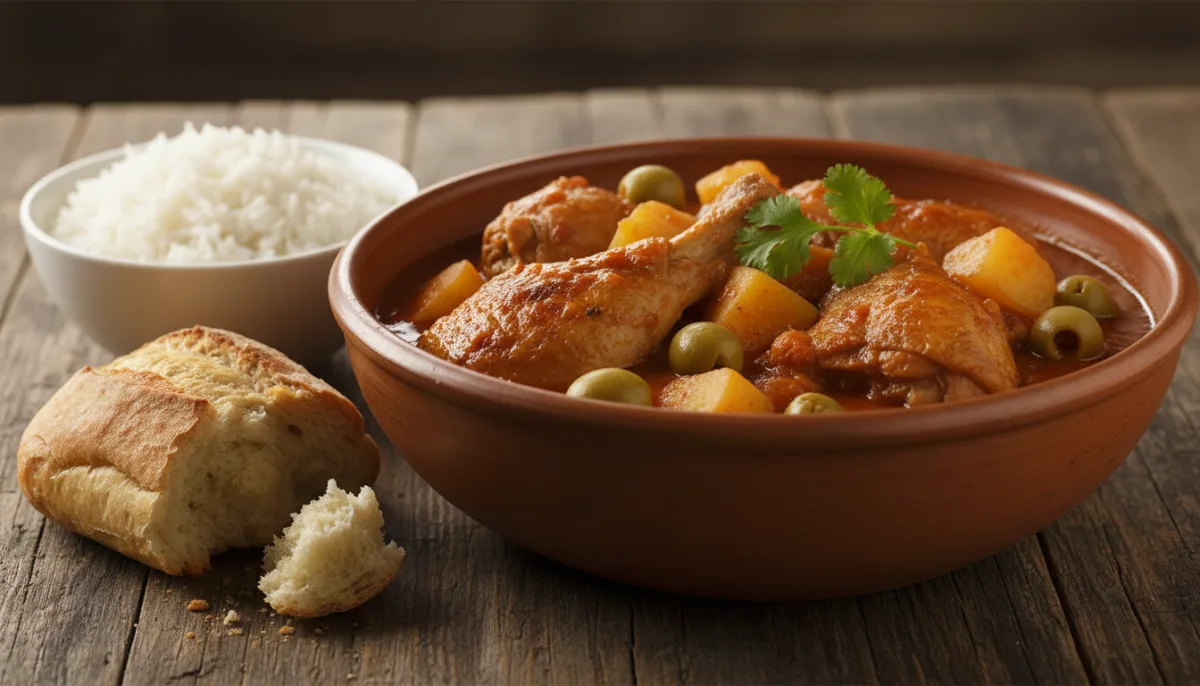
Serve this hearty Cuban Ajiaco with a side of crusty Cuban bread for dipping. A simple green salad with a light vinaigrette would also complement the richness of the stew. For a complete meal, consider serving it with a small bowl of white rice.
Common Mistakes
1. Not browning the pork sufficiently: This step is crucial for developing deep flavor. Ensure the pork has a good sear on all sides. 2. Overcrowding the pot: If searing pork in a smaller pot, do it in batches to allow for proper browning. 3. Not simmering long enough: The pork and root vegetables need ample time to become tender and for flavors to meld. Don't rush the simmering process. 4. Forgetting to mash some vegetables: This step is key to achieving the characteristic thick and creamy texture of Ajiaco. 5. Over-salting: Taste before adding the initial salt, especially if your broth is already seasoned.
Frequently Asked Questions
Can I make this Ajiaco in a slow cooker?
Yes, after browning the pork and sautéing the aromatics, combine all ingredients (except cilantro) in a slow cooker and cook on low for 6-8 hours or on high for 3-4 hours, until pork and vegetables are tender. Mash some vegetables to thicken before serving.
What is the difference between yuca, boniato, and malanga?
Yuca (cassava) is starchy with a slightly waxy texture. Boniato is a white-fleshed sweet potato, less sweet than orange varieties. Malanga (taro root) has a nutty, earthy flavor and a slightly mucilaginous texture when cooked.
Can I freeze leftover Ajiaco?
Yes, Ajiaco freezes well. Allow it to cool completely, then transfer to freezer-safe containers. It can be frozen for up to 3 months. Thaw in the refrigerator overnight and reheat on the stovetop.
MORE TO KNOW
Ajiaco is a traditional stew with many regional variations. The key to a great Cuban Ajiaco is the combination of different root vegetables, which contribute unique textures and flavors. Mashing a portion of the cooked vegetables back into the stew is a classic technique to naturally thicken the broth and add creaminess without using flour or cornstarch. This also helps to meld the flavors together beautifully.