Home › Recipes › Breakfast ›Bosnian ›Bosnian Popara: Savory-Sweet Bread Pudding with Kaymak & Honey
BREAKFAST

Bosnian Popara: Savory-Sweet Bread Pudding with Kaymak & Honey

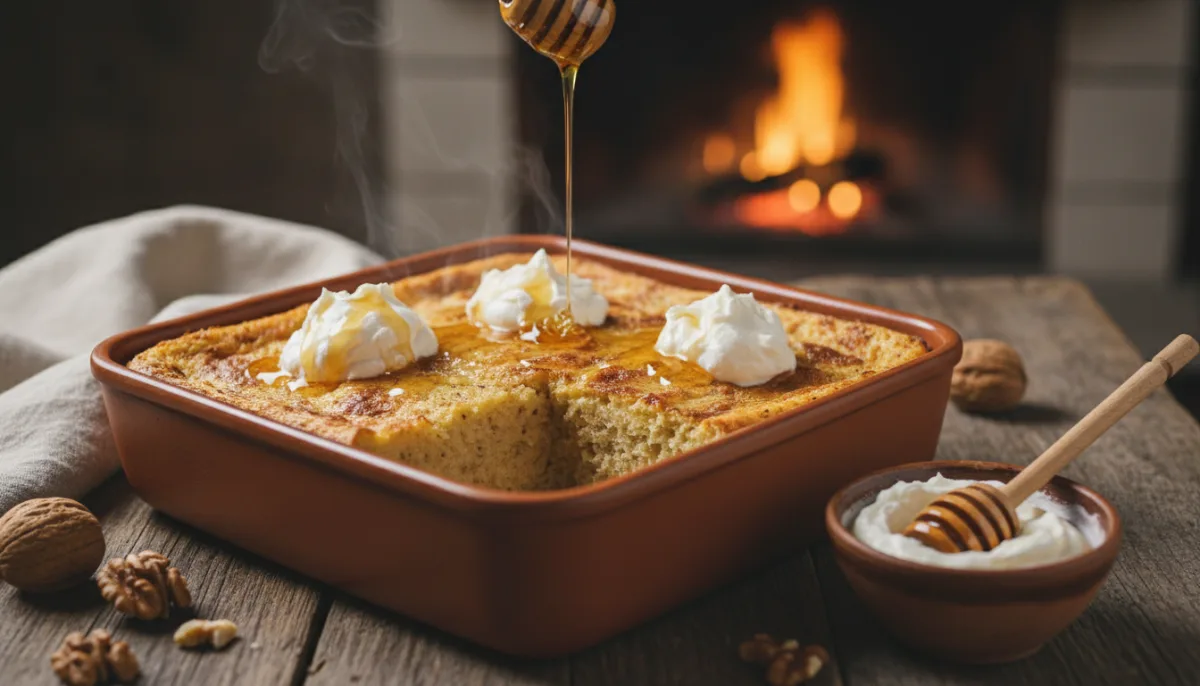
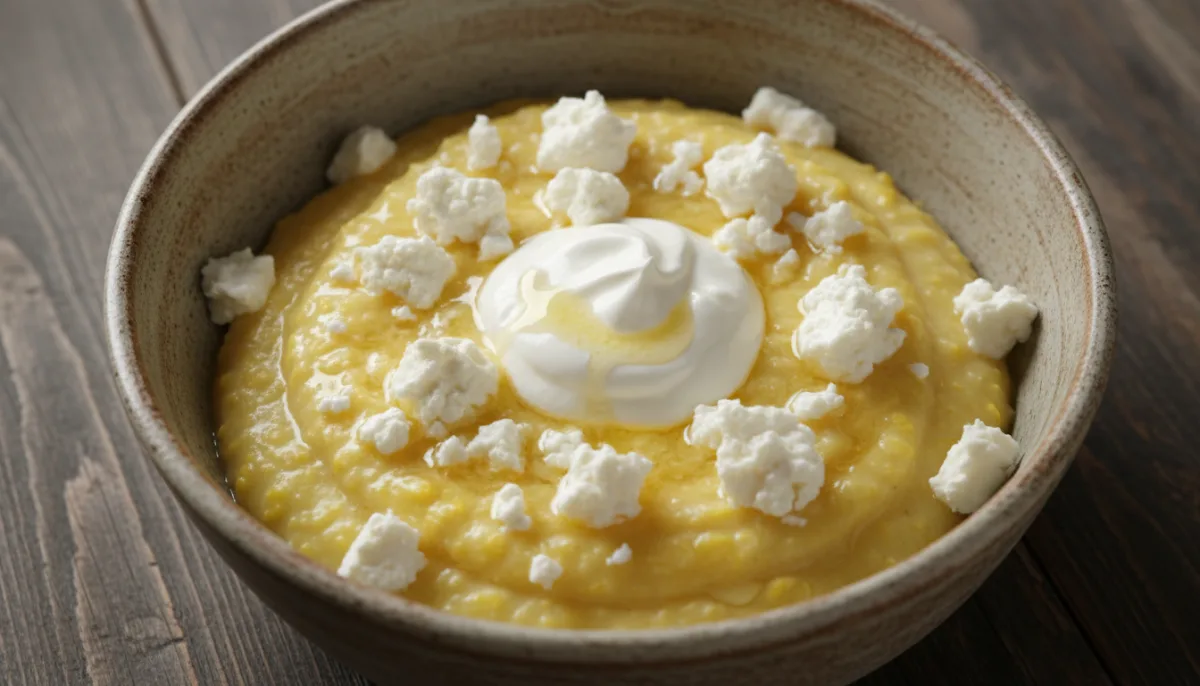
Transform day-old bread into a delightful Bosnian Popara, a comforting dish perfect for breakfast or brunch. This recipe features bread soaked in milk and butter, baked to a golden finish, and traditionally served with rich kaymak and a sweet honey drizzle for an authentic taste of Balkan cuisine.

✎
HOW TO MAKE IT

Let's cook.

01

Preheat your oven to 375°F (190°C). Lightly grease an 8x8 inch baking dish.

02

Place the cubed stale bread into the prepared baking dish, spreading it evenly.

03

In a medium saucepan, combine the whole milk, water, melted butter, and salt. Heat over medium heat until the mixture is warm and the butter is fully incorporated, but do not boil.

04

Pour the warm milk mixture evenly over the bread cubes in the baking dish, ensuring all pieces are moistened. Gently press down the bread to help it absorb the liquid.

05

Bake for 20-25 minutes at 375°F (190°C), or until the top is golden brown and the liquid has been absorbed, and the bread is tender.

06

Remove the Popara from the oven and let it rest for 5 minutes.

07

Serve warm, topped generously with kaymak and a drizzle of honey.

About This Recipe

Transform day-old bread into a delightful Bosnian Popara, a comforting dish perfect for breakfast or brunch. This recipe features bread soaked in milk and butter, baked to a golden finish, and traditionally served with rich kaymak and a sweet honey drizzle for an authentic taste of Balkan cuisine.
Bosnian Popara: Savory-Sweet Bread Pudding with Kaymak & Honey
Simple ingredients.
Big flavor.
✦
♨

Chef's Tips

For best results, use bread that is at least a day or two old. This allows it to absorb the liquid better without becoming mushy. You can also add a pinch of black pepper to the milk mixture for a subtle savory kick.
↔

Easy Substitutions

If kaymak is unavailable, you can substitute it with clotted cream, crème fraîche, or even a dollop of full-fat sour cream for a similar rich and tangy contrast. Any firm, day-old bread like sourdough or a rustic white loaf works well. For a sweeter version, add 1-2 tablespoons of sugar to the milk mixture.
▱

Storage & Reheating

Store leftover Popara in an airtight container in the refrigerator for up to 2 days. Reheat gently in the microwave or oven until warmed through. It may lose some of its original texture upon reheating.

Serving Suggestions

Serve Bosnian Popara as a hearty breakfast or brunch. It pairs wonderfully with a cup of strong Bosnian coffee or herbal tea. For a more substantial meal, serve alongside a simple green salad. You can also add a sprinkle of chopped walnuts or pistachios for extra texture.

Common Mistakes

Using fresh bread: Fresh bread tends to become too soggy. Always use stale bread for the best texture. Over-baking: Baking for too long can dry out the Popara. Keep an eye on it and remove once golden and set. Not soaking evenly: Ensure all bread cubes are moistened to prevent dry spots. Forgetting the salt: A pinch of salt balances the sweetness and enhances the overall flavor. Overcrowding the dish: Use an appropriately sized baking dish to allow for even cooking and browning.

Frequently Asked Questions

What is kaymak?

Kaymak is a creamy dairy product, similar to clotted cream, traditionally made in the Balkans, Middle East, and Central Asia. It has a rich, slightly tangy flavor and a thick, luxurious texture.


Can I make this recipe ahead of time?

While best served fresh, you can prepare the bread and milk mixture the night before and refrigerate it. Bake it in the morning as directed.

What kind of bread is best for Popara?

A firm, day-old white bread, like a rustic loaf or even a baguette, works perfectly. Avoid very soft or sweet breads.
MORE TO KNOW
Popara is a testament to Bosnian culinary resourcefulness, transforming humble stale bread into a comforting and satisfying meal. The key to its unique texture is the balance between the bread's absorption and the gentle baking process, which creates a soft interior with a slightly crisp top. The traditional pairing with kaymak, a rich, clotted cream, and sweet honey elevates it from a simple dish to a delightful experience, embodying the warmth and hospitality of Bosnian cuisine.
WHAT PEOPLE THINK

Reviews

☆

No reviews yet

Be the first person to review this recipe.

SHARE YOUR THOUGHTS

Made this recipe?

Tell us how it turned out.

Your review will be checked before appearing publicly.