

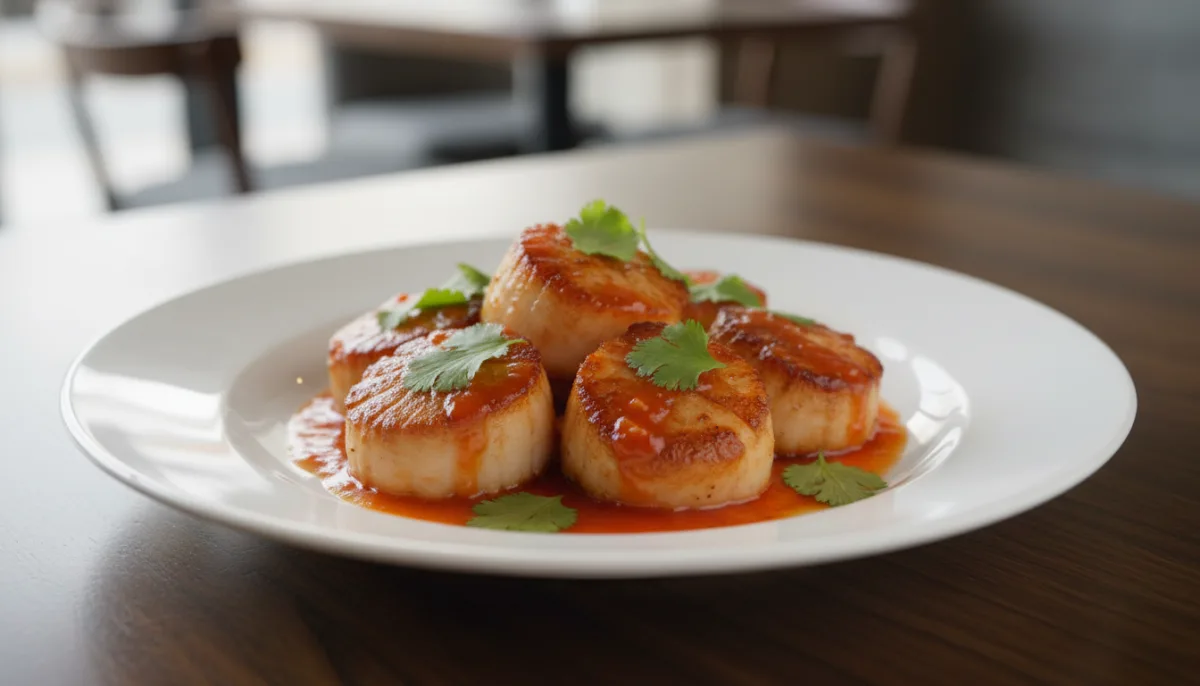
Introduction: Mastering the Scallop Sizzle Scallops, with their delicate flavor and luxurious texture, often appear on restaurant menus as a premium dish. Many home cooks, however, shy away from preparing them, fearing they'll end up rubbery or unevenly cooked. The truth is, achieving perfectly pan-seared scallops—those with a s…
Introduction: Mastering the Scallop Sizzle
Scallops, with their delicate flavor and luxurious texture, often appear on restaurant menus as a premium dish. Many home cooks, however, shy away from preparing them, fearing they'll end up rubbery or unevenly cooked. The truth is, achieving perfectly pan-seared scallops—those with a stunning golden-brown crust and a sweet, tender, almost translucent interior—is less about innate talent and more about understanding a few fundamental principles. This guide will demystify the process, empowering you to create a dish that rivals your favorite seafood restaurant.
The key to success lies in meticulous preparation, precise temperature control, and a confident hand. Once you master these techniques, you'll find that scallops are not only approachable but also incredibly rewarding to cook, transforming a simple meal into an elegant culinary experience.
Choosing Your Scallops: Quality First
The journey to perfect scallops begins at the fish counter. Not all scallops are created equal, and selecting the right ones is paramount.
- Dry vs. Wet Scallops: Always opt for "dry" scallops. These are natural, untreated scallops that haven't been soaked in a phosphate solution. Wet scallops, on the other hand, are plumped with water and chemicals, which makes them heavier (and more expensive per pound of actual scallop) and, crucially, prevents them from browning properly. They'll steam rather than sear. Dry scallops will have a slightly off-white, almost beige color and a firm, not slimy, texture.
- Size Matters: While bay scallops are delicious, for pan-searing, large sea scallops are preferred. Their size allows for a good sear on the exterior while maintaining a juicy interior. Look for uniform sizes to ensure even cooking.
- Freshness: Scallops should smell faintly sweet, like the ocean, not fishy. If possible, buy them the day you plan to cook them.
Preparation is Key: Drying for the Perfect Sear
This step is non-negotiable. Moisture is the enemy of a good sear. Any water on the surface of the scallop will turn to steam when it hits the hot pan, preventing the Maillard reaction (the chemical process responsible for browning and flavor development).
- Remove the Side Muscle: Each scallop has a small, tough, crescent-shaped muscle attached to its side. This muscle is chewy and should be gently pulled off and discarded. It usually comes off easily.
- Pat Them Bone Dry: Place the scallops on a plate lined with several layers of paper towels. Place more paper towels on top and gently press down to absorb as much moisture as possible. Repeat this process with fresh paper towels if necessary, until the scallops feel completely dry to the touch. This might take 10-15 minutes, and it's time well spent.
- Seasoning: Just before cooking, season generously with salt and freshly ground black pepper. Do not season too far in advance, as salt can draw moisture out of the scallops.
The Pan and the Heat: Setting the Stage
The right equipment and proper heat management are critical for that coveted crust.
Choosing Your Pan
- Cast Iron or Stainless Steel: A heavy-bottomed pan, such as cast iron or good quality stainless steel, is ideal. These materials retain heat exceptionally well and distribute it evenly, which is essential for a consistent sear. Non-stick pans can work, but they often don't achieve the same level of browning.
Achieving the Right Temperature
- High Heat: Scallops need high heat to sear quickly without overcooking the interior. Place your pan over medium-high to high heat.
- Oil Selection: Use an oil with a high smoke point, such as grapeseed oil, avocado oil, or refined olive oil. Avoid extra virgin olive oil, which will smoke and burn at the temperatures needed. A tablespoon or two should be sufficient for a batch of scallops.
- When to Add Scallops: Heat the oil until it shimmers and just begins to show wisps of smoke. This indicates it's hot enough.
The Searing Technique: Confidence and Precision
This is where the magic happens. Work in batches if necessary to avoid overcrowding the pan, which lowers the temperature and leads to steaming instead of searing.
- Place Scallops Carefully: Gently place the seasoned scallops into the hot pan, leaving ample space between each one. Use tongs to lay them down, ensuring they don't overlap.
- Resist the Urge to Move: This is perhaps the hardest part. Do not touch, move, or peek at the scallops for the first 2-3 minutes. Let them form that beautiful crust. Moving them too soon will tear the crust and prevent proper browning.
- Check for Release: After 2-3 minutes, gently try to lift one scallop with your tongs. If it releases easily from the pan, it's ready to flip. If it sticks, give it another 30 seconds to a minute.
- Flip and Finish: Flip the scallops to the other side. Immediately add a tablespoon of unsalted butter to the pan. As the butter melts, you can tilt the pan and baste the scallops with the foaming butter using a spoon. This adds incredible flavor and helps finish the cooking.
- Cook to Perfection: Cook for another 1-2 minutes on the second side, basting as you go. The total cooking time will be around 4-6 minutes, depending on the size of the scallops and the heat of your pan.
- Doneness: Scallops are done when they have a deep golden-brown crust on both sides and are opaque around the edges but still slightly translucent in the very center. They should feel firm but still have a slight give when gently pressed.
Resting and Serving
Unlike meat, scallops don't require a long rest. Transfer them immediately to a warm plate. A squeeze of fresh lemon juice or a sprinkle of fresh herbs like parsley or chives is often all they need to shine. Serve them immediately to enjoy their optimal texture and flavor.
Troubleshooting Common Scallop Issues
Why aren't my scallops browning?
The most common culprits are wet scallops (either untreated or not properly dried), an overcrowded pan, or insufficient heat. Ensure your scallops are bone dry, cook in batches, and make sure your pan is screaming hot before adding them.
My scallops are rubbery. What went wrong?
Overcooking is the primary reason for rubbery scallops. They cook very quickly. Keep a close eye on them and remove them from the heat as soon as they are done. A slightly translucent center is desirable.
My scallops are sticking to the pan.
This usually means the crust hasn't fully formed yet. Resist the urge to force them. Give them another 30-60 seconds on the first side. A properly seared scallop will release easily from the pan.
Conclusion: Your Scallop Success Awaits
Pan-seared scallops are a testament to the power of simple, well-executed technique. By focusing on dry scallops, high heat, and patience, you can consistently achieve a dish that impresses with its elegant simplicity and exquisite flavor. Don't let their reputation intimidate you; embrace the sizzle, and enjoy the delicious rewards of mastering this culinary art.