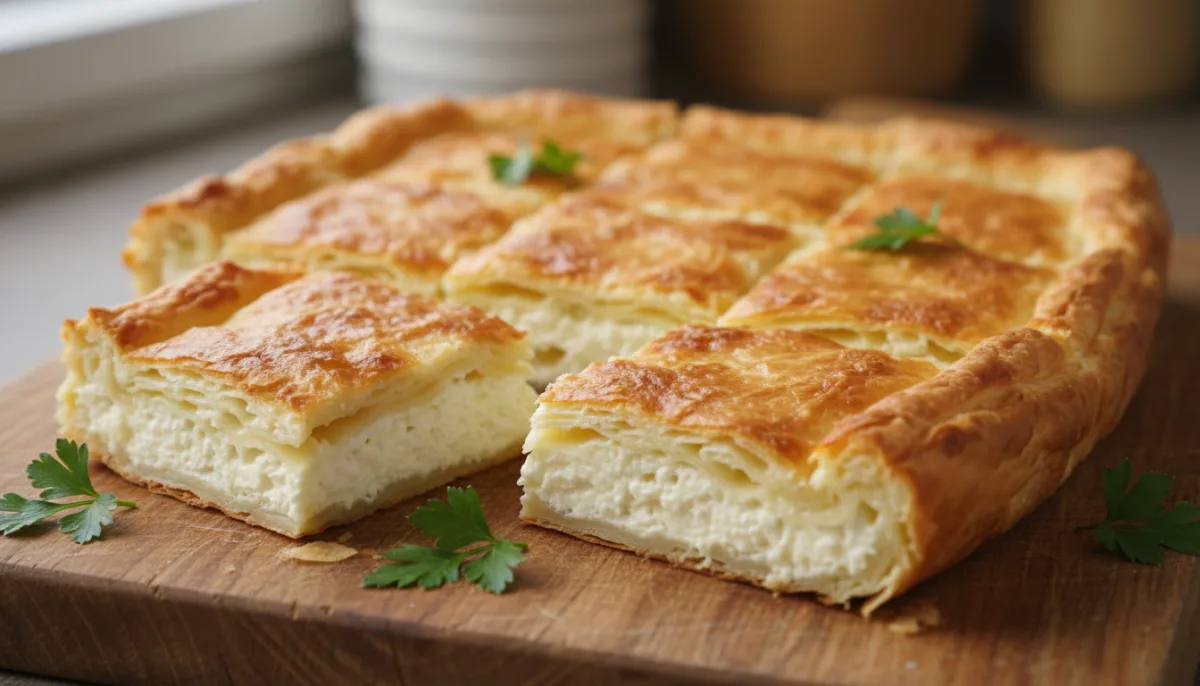


Introduction: Beyond the Basics of Grilled Cheese The grilled cheese sandwich, in its simplest form, is a comforting classic. Yet, transforming this humble dish into a truly exceptional experience involves a thoughtful approach to its core components and cooking technique. It's not just about slapping cheese between two slices o…
Introduction: Beyond the Basics of Grilled Cheese
The grilled cheese sandwich, in its simplest form, is a comforting classic. Yet, transforming this humble dish into a truly exceptional experience involves a thoughtful approach to its core components and cooking technique. It's not just about slapping cheese between two slices of bread and heating it; it's about understanding the interplay of textures and flavors to create something truly memorable. This guide will walk you through the nuances, ensuring every bite delivers that coveted golden crust and a perfectly molten, flavorful interior.
The Foundation: Choosing Your Bread Wisely
The bread is more than just a vessel; it's a crucial player in the final texture and flavor profile. The ideal bread provides structure, toasts beautifully, and doesn't overpower the cheese.
- Sourdough: Offers a delightful tang that cuts through the richness of the cheese, and its sturdy crumb holds up well to grilling.
- Brioche or Challah: For a richer, slightly sweeter profile. These breads toast to a beautiful golden hue and have a tender interior.
- White Sandwich Bread (Thick-Cut): A classic for a reason. Opt for a good quality, thick-cut white bread that can develop a crisp exterior without becoming too brittle. Avoid overly thin slices.
- Rye: Adds a distinct, earthy flavor that pairs wonderfully with sharper cheeses.
Regardless of your choice, ensure the slices are uniform in thickness for even cooking.
The Heart of the Matter: Selecting Your Cheese
The cheese is, of course, paramount. A perfect grilled cheese often benefits from a blend of cheeses – one for meltability and another for flavor complexity.
For Superior Melt:
- American (Deli-Style): Unbeatable for its smooth, creamy melt. While often overlooked, a good quality American cheese provides an excellent base.
- Young Cheddar: Melts beautifully and offers a mild, familiar flavor.
- Monterey Jack: Very creamy and melts exceptionally well, with a mild, buttery taste.
- Gruyère: A fantastic melting cheese with nutty, earthy notes that add sophistication.
For Depth of Flavor:
- Sharp Cheddar: Adds a robust, tangy punch.
- Provolone: Offers a mild, slightly smoky flavor and good stretch.
- Fontina: Creamy, nutty, and aromatic, contributing a luxurious feel.
- Smoked Gouda: Introduces a wonderful smoky dimension.
- Parmesan or Pecorino Romano (grated): A small amount mixed in can add a salty, umami depth without hindering melt.
Tip: Grate your cheese. Grated cheese melts more evenly and quickly than slices, reducing the cooking time and preventing the bread from burning before the cheese is fully molten.
The Golden Crust: Fat and Technique
Achieving that coveted golden-brown, crispy crust is all about the right fat and controlled heat.
Choosing Your Fat:
- Butter: The classic choice for a reason. Butter provides unparalleled flavor and browns beautifully. Use unsalted butter to control the overall saltiness.
- Mayonnaise: A surprising but effective alternative. Mayonnaise, when spread thinly on the outside of the bread, creates an incredibly crispy, golden crust due to its oil and egg content. It also has a higher smoke point than butter, making it more forgiving.
- A Blend: Some prefer a mix of butter and a neutral oil (like canola or grapeseed) in the pan to combine flavor with a higher smoke point.
The Cooking Process:
- Prepare Your Sandwich: Spread your chosen fat evenly on one side of each slice of bread. Place one slice, fat-side down, in a cold or barely warm pan.
- Layer the Cheese: Arrange your grated cheese(s) on the bread in the pan. Don't overstuff; a good rule of thumb is about 1/2 to 3/4 cup of grated cheese per sandwich. Top with the second slice of bread, fat-side up.
- Low and Slow is Key: This is perhaps the most critical step. Cook the sandwich over medium-low heat. This allows the bread to toast slowly and evenly, developing a deep golden color, while giving the cheese ample time to melt completely without the bread burning.
- Cover (Optional but Recommended): For an even melt, especially with thicker sandwiches or harder cheeses, cover the pan with a lid for the first few minutes. This traps heat and helps the cheese melt from the top down.
- Flip and Finish: Once the first side is deeply golden and the cheese is starting to soften, carefully flip the sandwich. Continue cooking on the second side until it's also golden brown and the cheese is fully melted and gooey. This usually takes 3-5 minutes per side, but adjust based on your stove and pan.
Creative Additions: Elevating the Experience
While a classic grilled cheese is perfect on its own, thoughtful additions can transform it into a gourmet delight.
- Savory Elements: Caramelized onions, thinly sliced tomatoes (add towards the end of cooking to prevent sogginess), crispy bacon, ham, or a thin layer of pesto.
- Sweet & Savory: A thin slice of apple or pear, fig jam, or a drizzle of honey can add an unexpected and delicious contrast.
- Herbs & Spices: A sprinkle of fresh chives, thyme, or a pinch of paprika or cayenne pepper mixed with the cheese can add subtle complexity.
Remember, additions should complement, not overwhelm, the cheese and bread.
Serving Suggestions
Serve your perfect grilled cheese immediately, while the cheese is still wonderfully molten. A classic pairing is a bowl of warm tomato soup, but it's equally delightful with a simple green salad to balance the richness.
Frequently Asked Questions
Q: My grilled cheese is burnt on the outside but the cheese isn't melted. What went wrong?
A: This is a common issue caused by cooking at too high a heat. The key is low and slow. Reduce your heat to medium-low and be patient. Covering the pan can also help trap heat to melt the cheese more efficiently without burning the bread.
Q: Can I make grilled cheese in an air fryer or oven?
A: While you can technically heat a grilled cheese in an air fryer or oven, the traditional pan-frying method is superior for achieving that distinct, evenly golden and crispy crust. Air fryers and ovens tend to dry out the bread more and may not give the same rich, buttery exterior.
Q: What's the best way to prevent the sandwich from falling apart when flipping?
A: Ensure your cheese is starting to melt and act as a 'glue' before flipping. Use a wide, thin spatula and a gentle, confident motion. If the sandwich is very full, you can use a second spatula or your free hand to support it during the flip.
Conclusion
The perfect grilled cheese is a testament to the idea that simple ingredients, when treated with care and understanding, can yield extraordinary results. By paying attention to your bread, cheese, fat, and cooking technique, you can consistently create a sandwich that is truly a work of art – golden, crispy, and gloriously gooey every single time. Happy grilling!