Home › Recipes › Breakfast ›Libyan ›Libyan Ftaier: Golden Flatbreads Stuffed with Eggs and Cheese
BREAKFAST

Libyan Ftaier: Golden Flatbreads Stuffed with Eggs and Cheese

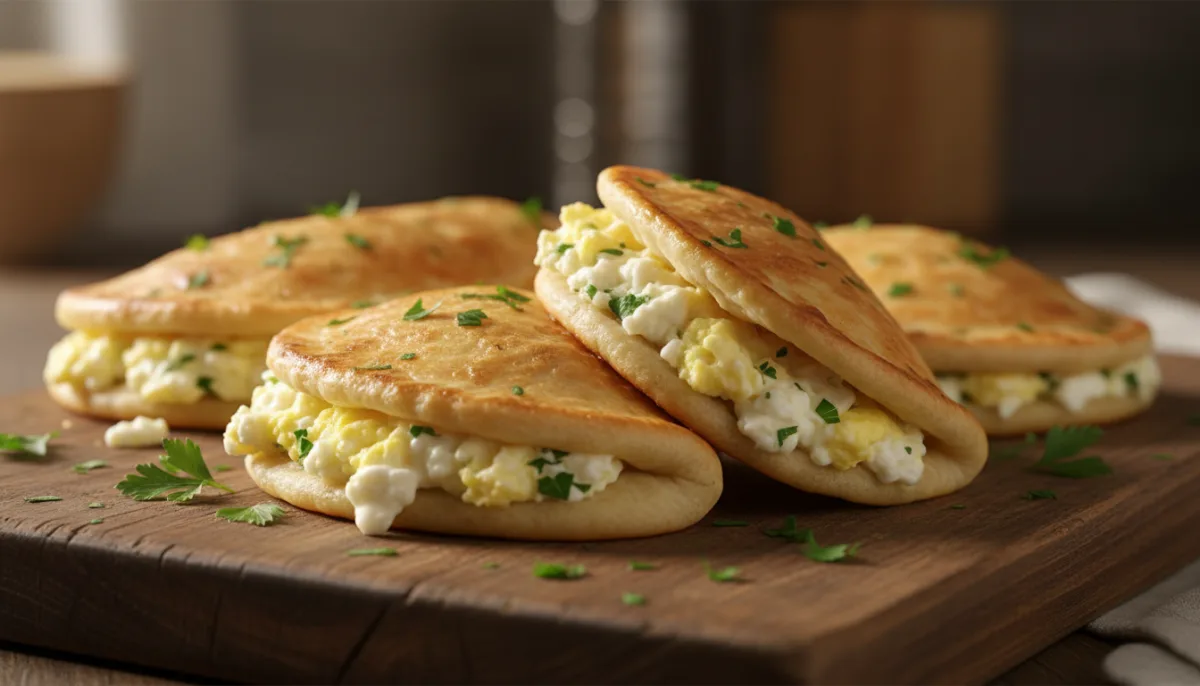
These delightful Libyan ftaier are savory flatbreads, ideal for a satisfying breakfast or a light lunch. Each one is generously filled with a rich mixture of eggs, cheese, and fresh herbs, then pan-fried to a beautiful golden crisp.

✎
HOW TO MAKE IT

Let's cook.

01

In a large bowl, combine the flour, salt, and yeast. Gradually add the warm water and 1 tablespoon of olive oil, mixing until a shaggy dough forms. Knead on a lightly floured surface for 5-7 minutes until smooth and elastic. Cover the bowl and let it rest in a warm place for 30 minutes.

02

While the dough rests, prepare the filling. In a medium bowl, whisk the eggs. Stir in the crumbled feta cheese, chopped fresh parsley, and black pepper. Mix well to combine.

03

Divide the rested dough into 4 equal portions. On a lightly floured surface, roll each portion into a thin, round flatbread, about 7-8 inches in diameter.

04

Spoon one-quarter of the egg and cheese mixture onto one half of each flatbread, leaving a small border around the edge. Fold the other half of the dough over the filling to create a half-moon shape. Press the edges firmly to seal, crimping with a fork if desired.

05

Heat 1 tablespoon of olive oil in a large skillet over medium heat. Carefully place 1-2 ftaier in the skillet, depending on its size. Cook for 4-6 minutes per side, or until golden brown and the filling is set. Repeat with the remaining ftaier, adding more olive oil as needed.

06

Serve the Libyan Ftaier warm.

About This Recipe

These delightful Libyan ftaier are savory flatbreads, ideal for a satisfying breakfast or a light lunch. Each one is generously filled with a rich mixture of eggs, cheese, and fresh herbs, then pan-fried to a beautiful golden crisp.
Libyan Ftaier: Golden Flatbreads Stuffed with Eggs and Cheese
Simple ingredients.
Big flavor.
✦
♨

Chef's Tips

Ensure your water for the dough is warm, not hot, to activate the yeast properly. Don't overfill the ftaier, as it can make sealing difficult. A well-sealed edge prevents the filling from leaking during cooking.
↔

Easy Substitutions

You can substitute feta cheese with ricotta or a mild goat cheese. For a spicier kick, add a pinch of red pepper flakes to the egg mixture. Fresh dill or mint can be used instead of parsley.
▱

Storage & Reheating

Leftover ftaier can be stored in an airtight container in the refrigerator for up to 2 days. Reheat gently in a dry skillet over medium-low heat until warmed through, or in a toaster oven.

Serving Suggestions

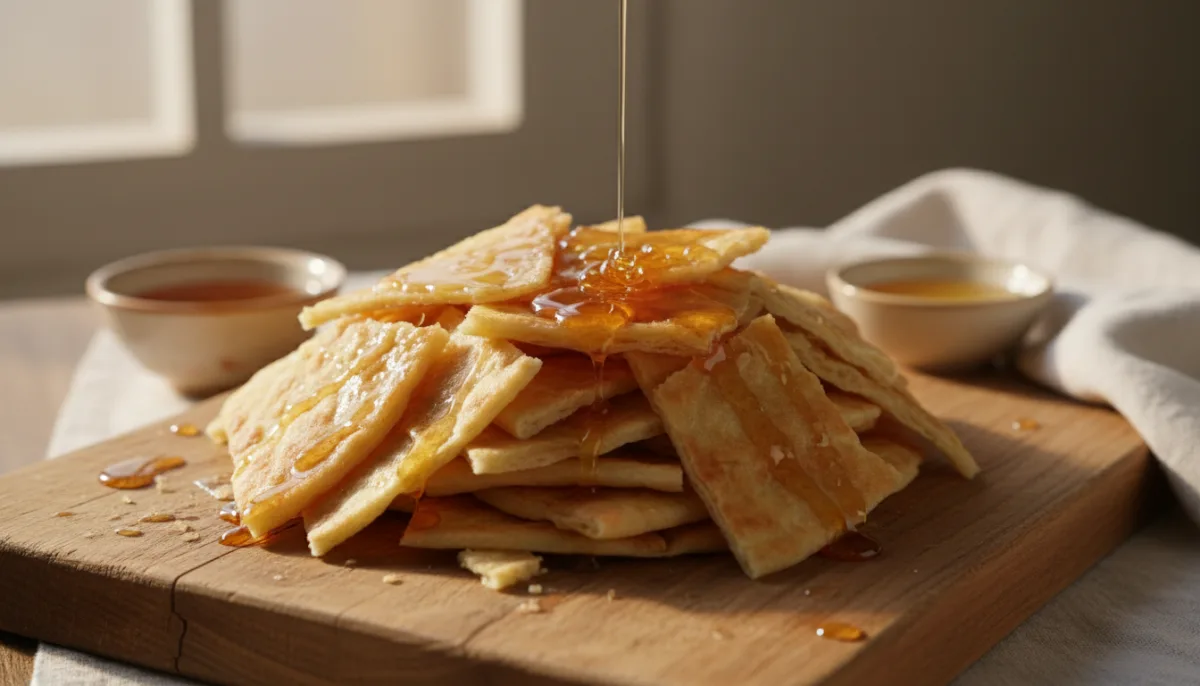
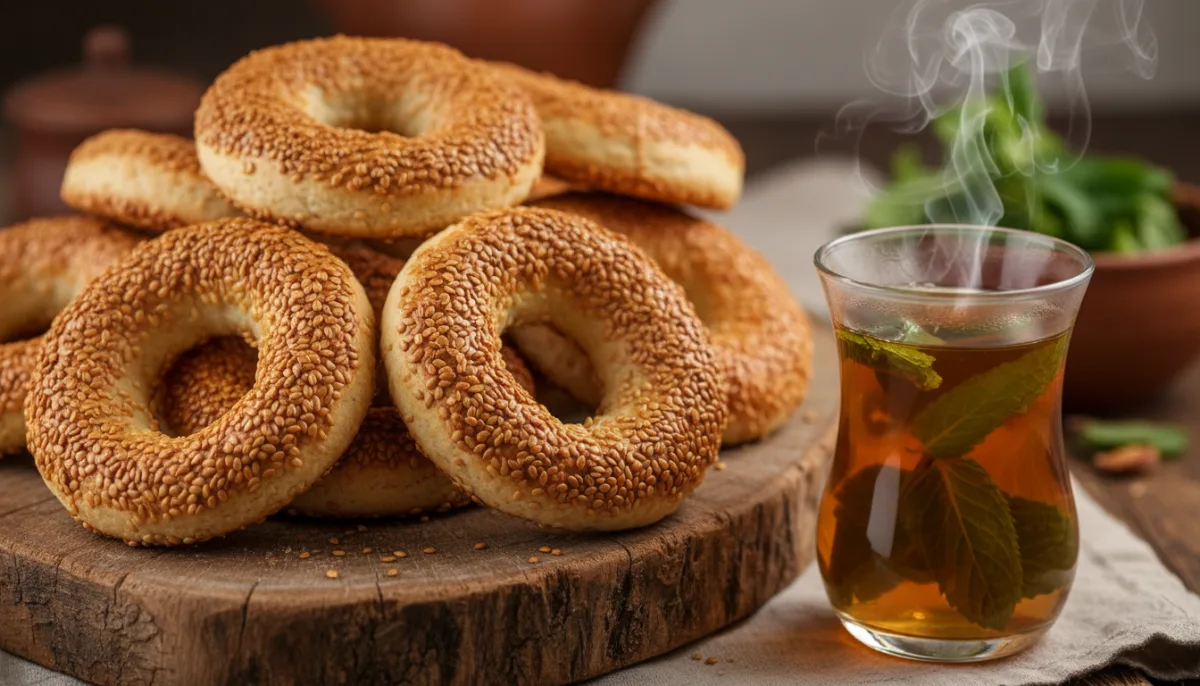
Serve these ftaier with a side of fresh cucumber and tomato salad, a dollop of plain yogurt, or a drizzle of honey for a sweet and savory contrast. They also pair wonderfully with a hot cup of mint tea.

Common Mistakes

1. Using water that is too hot or too cold for the yeast, which can prevent the dough from rising. Use warm water (around 105-115°F/40-46°C). 2. Overfilling the flatbreads, leading to difficulty in sealing and potential leakage during cooking. 3. Cooking on too high heat, which can burn the outside before the filling is cooked through. Maintain medium heat. 4. Not sealing the edges properly, causing the egg mixture to spill out. Press firmly and crimp with a fork.

Frequently Asked Questions

Can I make the dough ahead of time?

Yes, you can prepare the dough and let it rise, then refrigerate it for up to 24 hours. Bring it to room temperature before rolling.


What kind of skillet should I use?

A non-stick skillet or a well-seasoned cast-iron skillet works best for achieving a golden-brown crust.

Can I add meat to the filling?

Absolutely! Cooked and crumbled ground lamb or beef, seasoned with a pinch of cumin, would be a delicious addition.
MORE TO KNOW
The key to a good ftaier is a tender yet slightly chewy dough and a well-seasoned filling. The resting time for the dough is crucial for developing its elasticity, making it easier to roll thinly without tearing. When sealing the edges, pressing firmly is important to prevent the egg mixture from escaping during cooking. If you find the dough difficult to work with, let it rest for an additional 10-15 minutes.
WHAT PEOPLE THINK

Reviews

☆

No reviews yet

Be the first person to review this recipe.

SHARE YOUR THOUGHTS

Made this recipe?

Tell us how it turned out.

Your review will be checked before appearing publicly.