Home › Recipes › Breakfast ›Libyan ›Libyan Ftaat: Honey-Kissed Layered Flatbread
BREAKFAST

Libyan Ftaat: Honey-Kissed Layered Flatbread

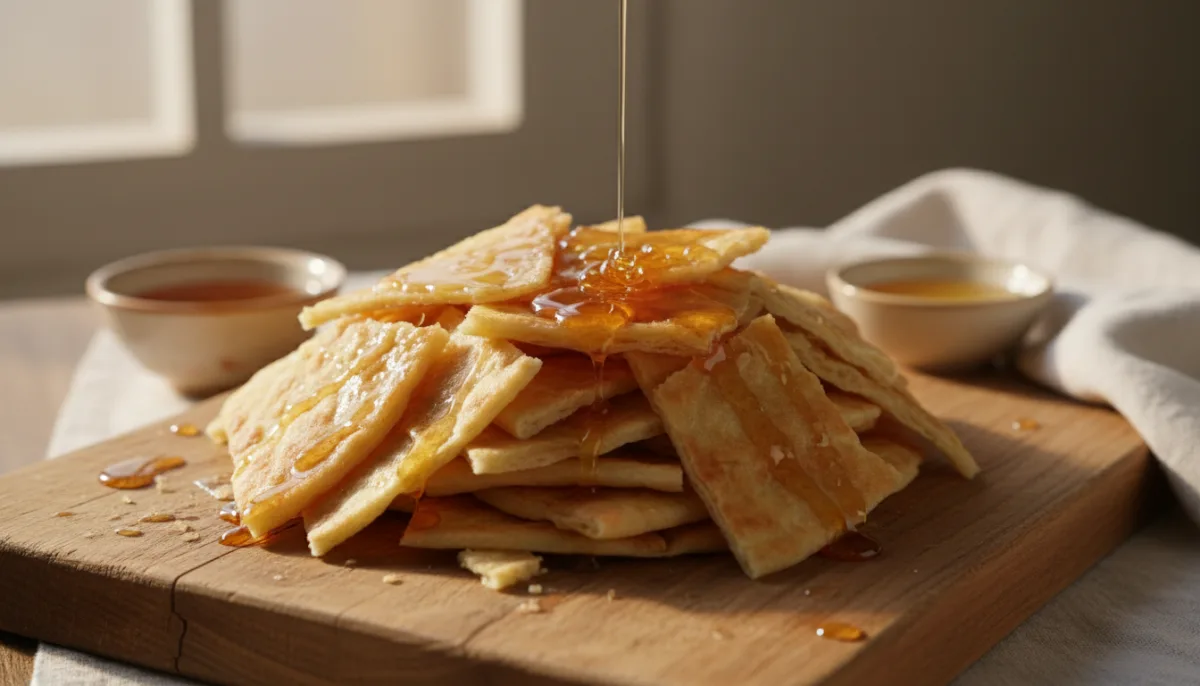
Experience the comforting flavors of Libya with Ftaat, a traditional breakfast featuring delicate, layered flatbreads generously adorned with warm honey and rich ghee. This recipe delivers a unique sweet and savory balance, ideal for a memorable morning indulgence.

✎
HOW TO MAKE IT

Let's cook.

01

In a large bowl, combine 2 cups of all-purpose flour and 1/2 teaspoon of salt. Gradually add 3/4 cup of warm water, mixing until a shaggy dough forms. Knead the dough on a lightly floured surface for 5-7 minutes until it is smooth and elastic. Cover the dough with a clean kitchen towel and let it rest for 15 minutes.

02

Divide the dough into 4 equal portions. On a lightly floured surface, roll each portion into a very thin circle, about 8-10 inches in diameter. Brush each circle generously with melted ghee.

03

Fold each ghee-brushed circle into a tight rectangle, then roll it up like a scroll. Coil the scroll into a spiral shape, tucking the end underneath. Gently flatten each spiral with your palm.

04

Heat a large non-stick skillet or griddle over medium heat. Cook each flatbread for 3-4 minutes per side, or until golden brown and cooked through. The layers should puff up slightly.

05

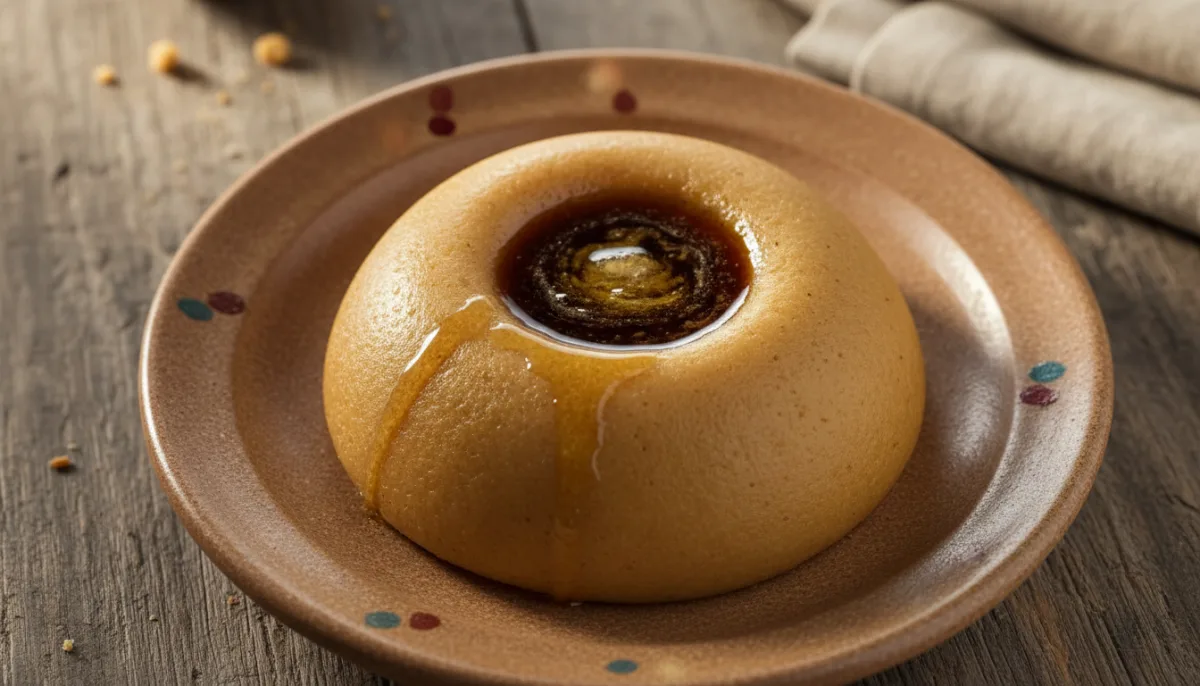
Once cooked, transfer the ftaat to a serving plate. Drizzle generously with warm honey and additional melted ghee. Serve immediately.

About This Recipe

Experience the comforting flavors of Libya with Ftaat, a traditional breakfast featuring delicate, layered flatbreads generously adorned with warm honey and rich ghee. This recipe delivers a unique sweet and savory balance, ideal for a memorable morning indulgence.
Libyan Ftaat: Honey-Kissed Layered Flatbread
Simple ingredients.
Big flavor.
✦
♨

Chef's Tips

For extra flavor, you can add a pinch of cardamom or cinnamon to the dough. Ensure your ghee is melted but not scorching hot when brushing the dough to prevent cooking it prematurely.
↔

Easy Substitutions

If ghee is unavailable, use unsalted butter. For a vegan option, use a plant-based butter alternative and a plant-based honey substitute or maple syrup. Whole wheat flour can be used for a nuttier flavor, but you may need slightly more water.
▱

Storage & Reheating

Leftover ftaat can be stored in an airtight container at room temperature for up to 2 days. Reheat gently in a dry skillet or microwave until warm. Add fresh honey and ghee before serving.

Serving Suggestions

Serve warm with a side of fresh fruit like dates or figs. It pairs wonderfully with a cup of hot mint tea or strong Arabic coffee. For a more substantial breakfast, serve alongside a simple yogurt or labneh.

Common Mistakes

1. Not kneading the dough enough: This results in tough flatbreads. Knead until smooth and elastic. 2. Not rolling the dough thin enough: Thick dough won't create distinct layers. Aim for translucence. 3. Not using enough ghee: The ghee is essential for flakiness and flavor. Don't skimp! 4. Cooking on too high heat: This can burn the outside before the inside cooks through. Use medium heat. 5. Overcrowding the pan: Cook flatbreads one or two at a time to ensure even cooking.

Frequently Asked Questions

Can I make the dough ahead of time?

Yes, you can prepare the dough, cover it tightly, and refrigerate it for up to 24 hours. Let it come to room temperature before rolling.


What kind of honey should I use?

Any good quality honey will work, but a floral or amber honey will complement the flavors beautifully.

Can I freeze Ftaat?

You can freeze cooked ftaat for up to 1 month. Thaw at room temperature and reheat in a skillet.
MORE TO KNOW
The key to truly flaky Ftaat lies in rolling the dough as thin as possible and generously brushing with ghee between layers. This creates steam during cooking, separating the layers and giving the bread its characteristic texture. Don't be afraid to stretch the dough; it's quite forgiving. The resting period is also crucial for gluten relaxation, making the dough easier to work with and more tender when cooked.
WHAT PEOPLE THINK

Reviews

☆

No reviews yet

Be the first person to review this recipe.

SHARE YOUR THOUGHTS

Made this recipe?

Tell us how it turned out.

Your review will be checked before appearing publicly.