
Embrace the Mediterranean Lifestyle, Simply The Mediterranean diet is celebrated worldwide not just for its incredible health benefits, but also for its vibrant flavors and emphasis on fresh, wholesome ingredients. It's a way of eating that prioritizes vegetables, fruits, whole grains, legumes, nuts, seeds, and olive oil, with m…
Embrace the Mediterranean Lifestyle, Simply
The Mediterranean diet is celebrated worldwide not just for its incredible health benefits, but also for its vibrant flavors and emphasis on fresh, wholesome ingredients. It's a way of eating that prioritizes vegetables, fruits, whole grains, legumes, nuts, seeds, and olive oil, with moderate amounts of fish and poultry, and limited red meat and processed foods. While it might sound like a big shift, adopting a Mediterranean approach to your weekly meals can be surprisingly simple and incredibly rewarding.
This guide is designed to help you navigate the Mediterranean landscape with ease. We'll explore practical meal ideas, smart ingredient choices, and efficient prep strategies to ensure you can enjoy delicious, healthy meals throughout your busy week without feeling overwhelmed.
Foundational Ingredients for Your Mediterranean Pantry
Building a well-stocked pantry is the first step to effortless Mediterranean cooking. Focus on these staples:
- Olive Oil: Extra virgin olive oil is central. Use it for cooking, dressings, and finishing dishes.
- Whole Grains: Quinoa, brown rice, whole wheat pasta, oats, and whole grain bread.
- Legumes: Canned or dried chickpeas, lentils, cannellini beans, and kidney beans.
- Nuts & Seeds: Almonds, walnuts, pistachios, chia seeds, flax seeds, and sesame seeds (tahini).
- Fresh Produce: A colorful array of seasonal vegetables (bell peppers, zucchini, spinach, tomatoes, cucumbers, onions) and fruits (berries, citrus, apples, grapes).
- Herbs & Spices: Oregano, basil, thyme, rosemary, garlic, paprika, cumin, and red pepper flakes.
- Fish: Canned tuna or salmon, frozen white fish (cod, tilapia), or fresh salmon.
- Dairy/Alternatives: Greek yogurt, feta cheese, or plant-based alternatives.
Smart Prep Strategies for a Smooth Week
A little planning goes a long way in making healthy eating sustainable. Dedicate an hour or two on a weekend to these tasks:
- Chop Vegetables: Dice onions, bell peppers, and other sturdy vegetables for quick additions to salads, stir-fries, or omelets.
- Cook Grains: Prepare a large batch of quinoa or brown rice to use as a base for bowls, sides, or salads.
- Roast Vegetables: Roast a tray of mixed vegetables (zucchini, eggplant, bell peppers) to add to wraps, pasta, or as a side dish.
- Prepare Dressings: Whisk together a simple vinaigrette with olive oil, vinegar, lemon juice, and herbs.
- Wash & Store Greens: Wash and dry leafy greens so they're ready for salads.
- Cook Legumes: If using dried beans, cook a large batch and portion them for the week.
Your Weekly Mediterranean Meal Inspiration
Here’s a practical mix of meal ideas, designed for variety and ease. Remember, these are starting points – feel free to adapt them to your preferences and what’s available.
Breakfast Ideas: Start Your Day Right
- Greek Yogurt Parfait: Layer Greek yogurt with fresh berries, a sprinkle of nuts, and a drizzle of honey.
- Savory Oatmeal: Cook oats with water or vegetable broth, then top with a fried egg, sautéed spinach, and a dash of olive oil.
- Whole Grain Toast with Avocado & Tomato: Mash avocado on whole grain toast, top with sliced tomatoes, a sprinkle of feta, and a pinch of oregano.
Lunch Ideas: Quick & Satisfying
- Mediterranean Quinoa Salad: Cooked quinoa mixed with chopped cucumbers, tomatoes, bell peppers, red onion, chickpeas, olives, and a lemon-herb vinaigrette. Add grilled chicken or canned tuna for extra protein.
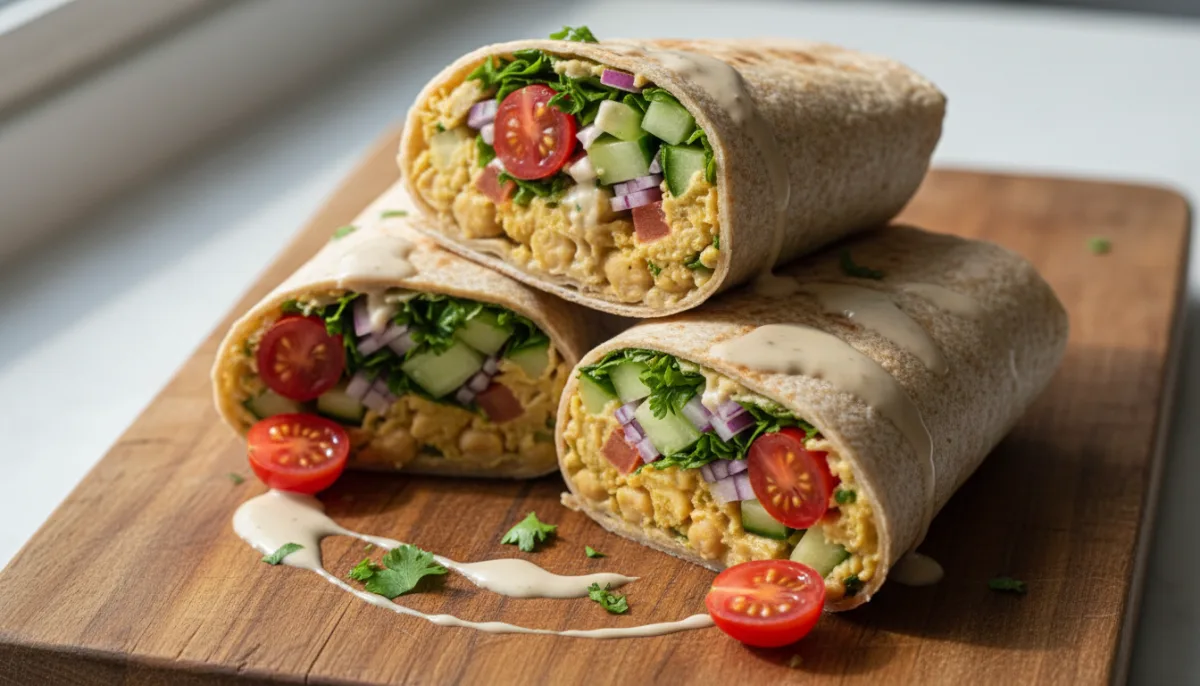
- Hummus & Veggie Wraps: Spread hummus on a whole wheat tortilla, fill with mixed greens, shredded carrots, cucumber sticks, and bell pepper strips.
- Leftover Power Bowls: Combine leftover roasted vegetables, cooked grains, and a protein (like lentils or fish) with a simple dressing.
Dinner Ideas: Flavorful & Wholesome
- Sheet Pan Lemon Herb Salmon & Veggies: Toss salmon fillets and chopped vegetables (broccoli, cherry tomatoes, zucchini) with olive oil, lemon juice, garlic, and dried herbs. Roast on a single sheet pan until cooked through.
- Lentil Soup with Whole Grain Bread: A hearty, comforting soup made with lentils, carrots, celery, onions, diced tomatoes, and vegetable broth. Serve with crusty whole grain bread.
- Chicken & Chickpea Skewers with Tzatziki: Marinate chicken pieces and chickpeas in olive oil, lemon, and spices. Thread onto skewers and grill or bake. Serve with a homemade tzatziki (Greek yogurt, cucumber, garlic, dill).
- Pasta with Roasted Vegetable Sauce: Sauté garlic and onions, then add roasted vegetables (from your prep session) and canned crushed tomatoes. Simmer and toss with whole wheat pasta. Finish with fresh basil.
Snack Smarter, Mediterranean Style
Keep hunger at bay with these nutritious options:
- A handful of almonds or walnuts
- Fresh fruit (an apple, orange, or a bowl of berries)
- Carrot sticks or cucumber slices with hummus
- A small container of Greek yogurt
Frequently Asked Questions About Mediterranean Eating
Q: Do I have to give up all red meat?
A: Not entirely. The Mediterranean diet suggests limiting red meat to a few times a month, treating it more as a special occasion food rather than a daily staple. Focus on lean cuts and smaller portions when you do enjoy it.
Q: Is wine part of the Mediterranean diet?
A: Moderate consumption of red wine, typically with meals, is often associated with the Mediterranean lifestyle. However, it's not a requirement, and if you don't drink alcohol, there's no need to start. Water is always the preferred beverage.
Q: What if I don't like fish?
A: While fish is a key component, especially fatty fish rich in omega-3s, you can still follow a Mediterranean eating pattern. Focus on increasing your intake of legumes (beans, lentils), nuts, seeds, and plant-based proteins like tofu or tempeh, which can provide similar nutritional benefits.
Q: How can I make Mediterranean meals budget-friendly?
A: The Mediterranean diet can be very economical! Focus on seasonal produce, buy legumes and grains in bulk, and opt for canned fish (like tuna or sardines) which are affordable and nutritious. Cooking at home and minimizing processed foods also saves money.
Your Journey to Healthier, Happier Eating
Adopting a Mediterranean way of eating doesn't require drastic changes overnight. Start by incorporating more vegetables, whole grains, and healthy fats into your meals. Experiment with new recipes, enjoy the process of cooking, and savor the fresh, vibrant flavors. With a little planning and these practical strategies, you'll find that delicious, healthy Mediterranean meals can easily become a regular and enjoyable part of your week.