
Introduction: The Crossroads of Flavor Nestled at the crossroads of Europe and Asia, Georgia boasts a culinary tradition as rich and diverse as its history. Georgian food is a celebration of fresh, seasonal ingredients, aromatic herbs, and a fascinating blend of influences from the Middle East, the Mediterranean, and even a touc…
Introduction: The Crossroads of Flavor
Nestled at the crossroads of Europe and Asia, Georgia boasts a culinary tradition as rich and diverse as its history. Georgian food is a celebration of fresh, seasonal ingredients, aromatic herbs, and a fascinating blend of influences from the Middle East, the Mediterranean, and even a touch of Central Asia. It's a cuisine that emphasizes communal dining, vibrant colors, and bold, yet balanced, flavors. For the adventurous home cook looking to expand their repertoire beyond the familiar, Georgian cooking offers a truly rewarding experience. Forget bland and embrace the exciting world of walnuts, pomegranates, fresh cheeses, and a symphony of spices.
Key Ingredients: The Building Blocks of Georgian Taste
Understanding the core ingredients is the first step to unlocking Georgian flavors. While many can be found in well-stocked grocery stores or international markets, some are distinctly Georgian.
Nuts and Fruits: More Than Just Snacks
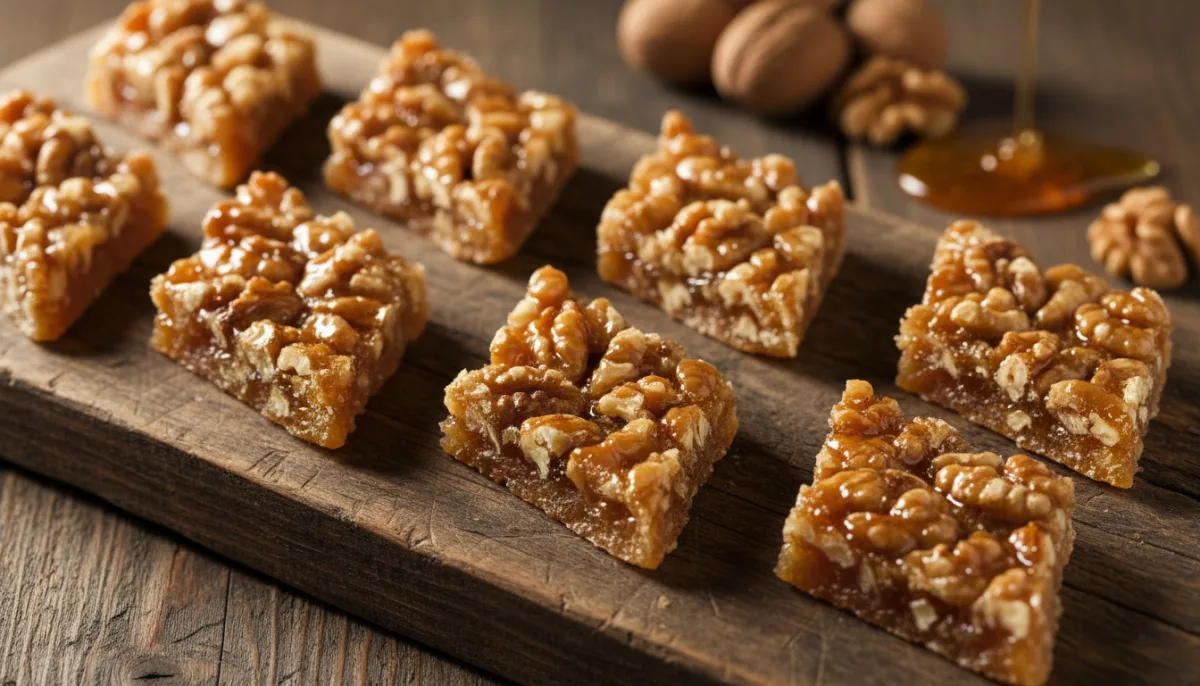
- Walnuts: Perhaps the most iconic Georgian ingredient, walnuts are used extensively. They form the base of many sauces (like bazhe), thicken stews, and are a key component in vegetable pates (pkhali). Toasted and ground, they add a rich, earthy depth.
- Pomegranates: Both the juice and the arils (seeds) are used for their tartness and vibrant color. Pomegranate molasses (narsharab) is a common souring agent, adding a tangy sweetness to dishes.
- Plums (Tkemali): A sour plum sauce called tkemali is a staple condiment, offering a unique tart and savory kick. It comes in various shades and spice levels.
Herbs and Spices: The Aromatic Heart
- Cilantro (Coriander): Fresh cilantro is ubiquitous, used generously in salads, stews, and as a garnish.
- Fenugreek (Blue Fenugreek/Utsho Suneli): This distinct spice, often called blue fenugreek or utsho suneli, has a milder, nuttier flavor than common fenugreek. It's essential for many Georgian dishes.
- Marigold (Imeretian Saffron): Not true saffron, but dried marigold petals provide a beautiful golden color and a subtle, earthy aroma.
- Garlic and Onions: Used generously as aromatic foundations for almost every savory dish.
- Adjika: A spicy, aromatic paste or dry spice blend, often containing red peppers, garlic, herbs, and spices. It adds a fiery depth.
Dairy and Grains: Comfort and Substance
- Sulguni Cheese: A brined, elastic, and slightly salty cheese, similar to mozzarella but with more character. It's the star of khachapuri.
- Matsoni: A tangy, thick yogurt, similar to kefir, used as a condiment, in sauces, and as a refreshing drink.
- Cornmeal: Used to make mchadi (cornbread) and ghomi (a polenta-like dish), often served with cheese.
Signature Dishes: A Taste of Georgia
These dishes are excellent starting points for exploring Georgian cuisine at home.
Khachapuri: The Iconic Cheese Bread
There are many regional variations, but the most famous is Acharuli Khachapuri, a boat-shaped bread filled with cheese, topped with an egg and a pat of butter, meant to be mixed together and dipped into. Other popular versions include Imeruli Khachapuri (round, cheese-filled bread) and Megruli Khachapuri (similar to Imeruli but with cheese baked on top as well).
Khinkali: Georgian Dumplings
These large, pleated dumplings are typically filled with seasoned meat (pork, beef, or a mix) and broth, or sometimes with cheese or mushrooms. The key is to hold them by the 'kudi' (dough knot), bite a small hole, slurp the broth, then eat the rest, leaving the kudi behind.
Pkhali: Vibrant Vegetable Pates
A delightful appetizer, pkhali are finely chopped or ground vegetables (spinach, beets, eggplant, cabbage) mixed with a rich walnut paste, garlic, herbs, and spices, often shaped into small mounds and garnished with pomegranate seeds. They are a testament to Georgian creativity with vegetables.
Satsivi: Walnut Chicken
A festive dish, satsivi features chicken (or sometimes turkey) served in a rich, aromatic walnut sauce. The sauce is complex, made from ground walnuts, garlic, various spices (including blue fenugreek and marigold), and often a touch of vinegar or pomegranate juice for tang. It's typically served cold.
Chakhokhbili: Hearty Chicken Stew
A flavorful chicken stew made with tomatoes, herbs, and sometimes peppers. It's a comforting, rustic dish that showcases the fresh produce of the region.
Fundamental Techniques for the Home Cook
Georgian cooking, while flavorful, is often straightforward in its techniques, focusing on building layers of flavor.
Mastering the Walnut Paste
Many Georgian dishes rely on a base of finely ground walnuts. Achieving the right consistency – a smooth, rich paste – is crucial. A food processor works well, but traditionally, walnuts are ground in a mortar and pestle until their oils are released, creating a creamy texture.
Balancing Sour and Savory
Georgian cuisine frequently balances rich, savory flavors with bright, sour notes. This is achieved through ingredients like pomegranate, tkemali sauce, vinegar, or even fermented vegetables. Don't be afraid to experiment with these elements to find your preferred balance.
Generous Use of Fresh Herbs
Unlike many cuisines where herbs are a mere garnish, in Georgian cooking, fresh herbs like cilantro, dill, parsley, and tarragon are often used in substantial quantities, adding freshness and complexity to almost every dish.
Slow Cooking for Depth
Many stews and meat dishes benefit from slow, gentle simmering, allowing flavors to meld and ingredients to tenderize. This unhurried approach is key to developing the deep, comforting tastes characteristic of Georgian home cooking.
Embarking on Your Georgian Culinary Adventure
Georgian cuisine is an invitation to explore a world of bold, comforting, and utterly unique flavors. Start with a few key ingredients, try a signature dish like khachapuri or khinkali, and gradually expand your repertoire. You'll find that the techniques are accessible, and the rewards are immense. Prepare to delight your senses and share a truly special meal with friends and family, Georgian style.
Frequently Asked Questions About Georgian Cooking
Q: Is Georgian food very spicy?
A: While Georgian cuisine uses spices generously, it's not typically known for being overwhelmingly spicy. Heat levels can vary, especially with the use of adjika, but many dishes focus more on aromatic complexity and tartness rather than intense heat. You can always adjust the amount of chili to your preference.
Q: Are there many vegetarian options in Georgian cuisine?
A: Absolutely! Georgian cuisine offers a fantastic array of vegetarian dishes. Pkhali (vegetable pates), various types of khachapuri (cheese bread), mushroom dishes, bean stews (lobio), and fresh salads are all delicious and widely available vegetarian choices. Many meat dishes can also be adapted.
Q: What is the best way to find authentic Georgian ingredients?
A: For common items like walnuts, pomegranates, and fresh herbs, your local grocery store is a good start. For more specific ingredients like utsho suneli (blue fenugreek), tkemali sauce, or sulguni cheese, look to international markets, especially those specializing in Eastern European or Middle Eastern foods. Online specialty stores are also a great resource.