Home › Recipes › Dinner ›Sichuan ›Sichuan Mala Hot Pot with Assorted Meats and Vegetables
DINNER

Sichuan Mala Hot Pot with Assorted Meats and Vegetables

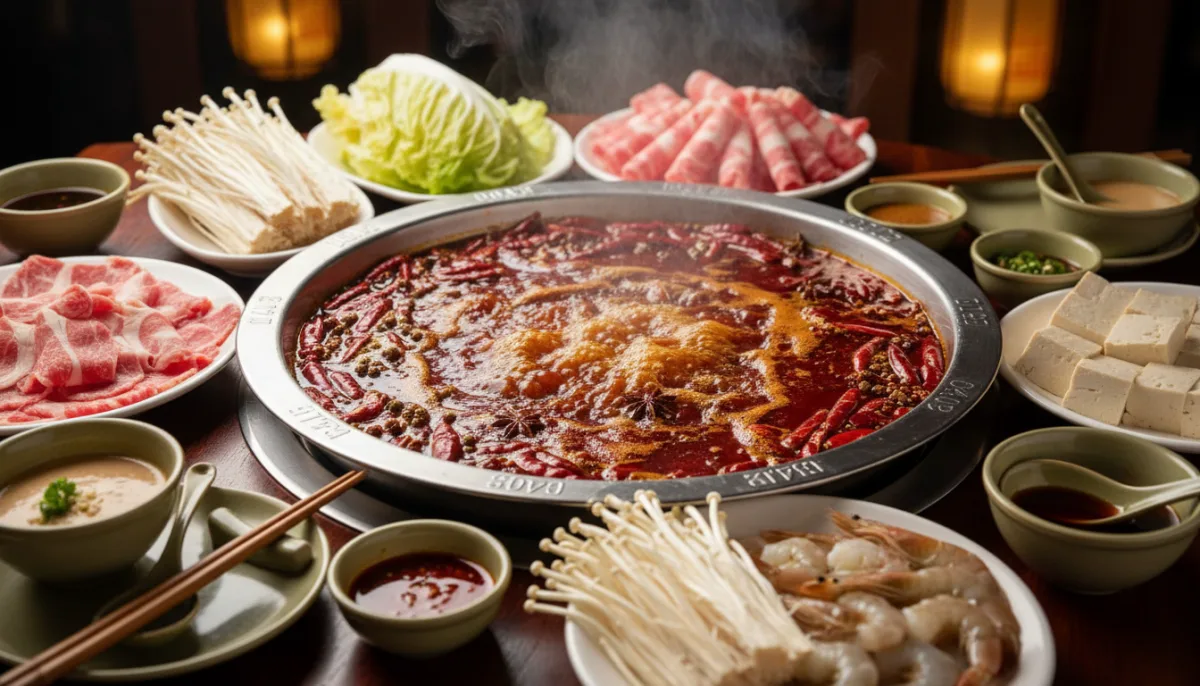
Experience the fiery and numbing flavors of a traditional Sichuan Mala Hot Pot, perfect for a communal dining experience. This recipe features a rich, spicy broth simmered with various meats and fresh vegetables.

✎
HOW TO MAKE IT

Let's cook.

01

In a large pot or hot pot, combine the chicken broth, Sichuan peppercorns, dried red chilies, doubanjiang, grated ginger, and minced garlic. Bring the mixture to a boil over medium-high heat.

02

Reduce the heat to medium-low and simmer the broth for 20 minutes, allowing the flavors to meld and the mala (numbing and spicy) sensation to develop. Skim any foam from the surface.

03

Arrange the thinly sliced beef, shrimp, chopped Napa cabbage, enoki mushrooms, and cubed tofu on separate platters around the hot pot.

04

Once the broth has simmered, guests can begin cooking their desired ingredients directly in the hot pot. Use chopsticks or small strainers to dip ingredients into the simmering broth.

05

Cook meats for 30-60 seconds until no longer pink, and vegetables for 1-3 minutes until tender-crisp. Enjoy immediately with your choice of dipping sauces.

About This Recipe

Experience the fiery and numbing flavors of a traditional Sichuan Mala Hot Pot, perfect for a communal dining experience. This recipe features a rich, spicy broth simmered with various meats and fresh vegetables.
Sichuan Mala Hot Pot with Assorted Meats and Vegetables
Simple ingredients.
Big flavor.
✦
♨

Chef's Tips

For an extra layer of flavor, lightly toast the Sichuan peppercorns in a dry pan for 1-2 minutes before adding them to the broth. This enhances their aromatic and numbing qualities. Adjust the amount of dried chilies and doubanjiang to control the spice level according to your preference.
↔

Easy Substitutions

You can substitute beef with thinly sliced lamb, pork, or chicken. For seafood, scallops or fish balls work well. Feel free to use other vegetables like bok choy, spinach, or various types of mushrooms. Vegetarian options can include more tofu, tempeh, or a wider array of vegetables.
▱

Storage & Reheating

Leftover hot pot broth can be strained and stored in an airtight container in the refrigerator for up to 3 days. Reheat thoroughly before serving. Cooked ingredients should be stored separately and consumed within 1-2 days.

Serving Suggestions

Serve with a variety of dipping sauces, such as sesame oil with garlic and cilantro, or a soy-vinegar blend. Steamed rice can be a great accompaniment to soak up the flavorful broth. Offer a selection of refreshing beverages like iced tea or plum juice to balance the spice.

Common Mistakes

Overcrowding the pot: Adding too many ingredients at once will lower the broth's temperature and result in uneven cooking. Not simmering the broth long enough: The broth needs time to develop its complex flavors. Not having enough dipping sauces: Dipping sauces are crucial for customizing flavor and cooling down the spice. Using thick cuts of meat: Hot pot meats should be very thinly sliced for quick cooking. Not having a variety of ingredients: The joy of hot pot is the assortment of textures and flavors.

Frequently Asked Questions

What makes Sichuan hot pot different from other hot pots?

Sichuan hot pot is distinguished by its signature 'mala' flavor, which is a combination of numbing (from Sichuan peppercorns) and spicy (from chilies), along with a rich, savory broth base.


Can I make this vegetarian?

Yes, absolutely! Omit the beef and shrimp, and use vegetable broth. Increase the amount of tofu, add more mushrooms, and include other vegetables like lotus root, potato slices, or various greens.

Is it very spicy?

This recipe is designed to be spicy, but you can adjust the heat level by reducing the amount of dried red chilies and doubanjiang. You can also add more broth to dilute the spice if needed.
MORE TO KNOW
The essence of Sichuan Mala Hot Pot lies in its unique flavor profile: 'mala' (麻辣), which translates to 'numbing and spicy'. This sensation comes primarily from Sichuan peppercorns (ma) and dried chilies (la). The doubanjiang adds a savory, fermented chili depth. For an authentic experience, consider setting up individual dipping sauce stations with ingredients like sesame oil, soy sauce, minced garlic, cilantro, and a touch of black vinegar, allowing each diner to customize their own sauce.
WHAT PEOPLE THINK

Reviews

☆

No reviews yet

Be the first person to review this recipe.

SHARE YOUR THOUGHTS

Made this recipe?

Tell us how it turned out.

Your review will be checked before appearing publicly.