
Introduction: The Heart of Flavor Imagine a meal that truly sings – not just satisfying hunger, but delighting the senses with every bite. Often, the secret to such culinary magic lies not in complex techniques, but in the thoughtful application of herbs and spices. These aromatic powerhouses, derived from various parts of plant…
Introduction: The Heart of Flavor
Imagine a meal that truly sings – not just satisfying hunger, but delighting the senses with every bite. Often, the secret to such culinary magic lies not in complex techniques, but in the thoughtful application of herbs and spices. These aromatic powerhouses, derived from various parts of plants, are more than just flavor enhancers; they are the very soul of many dishes, capable of transforming simple ingredients into memorable experiences. Building a well-stocked pantry of essential herbs and spices is one of the most impactful steps you can take to elevate your home cooking. Let's explore some fundamental varieties, understand their unique contributions, and learn how to use them to unlock a world of flavor.
Understanding Flavor Profiles: A Culinary Palette
Each herb and spice brings its own distinct character to the table. Recognizing these profiles is key to successful pairing and creating balanced, delicious meals.
Common Herb Profiles: Freshness and Aroma
- Basil: Sweet, peppery, and slightly anise-like. A cornerstone of Mediterranean cuisine.
- Oregano: Pungent, earthy, and slightly bitter. Often associated with Italian and Greek dishes.
- Thyme: Earthy, minty, and subtly lemony. Versatile and robust.
- Rosemary: Piney, woody, and somewhat peppery. Strong flavor, best used sparingly.
- Parsley: Fresh, clean, and slightly peppery. A classic garnish and flavor brightener.
- Cilantro: Bright, citrusy, and somewhat soapy to some palates. Essential in Mexican, Indian, and Southeast Asian cooking.
Common Spice Profiles: Warmth, Heat, and Depth
- Cumin: Earthy, warm, and slightly bitter. A staple in Indian, Mexican, and Middle Eastern dishes.
- Coriander: Citrusy, nutty, and slightly sweet. The seed of the cilantro plant, but with a different flavor.
- Paprika: Sweet, smoky, or hot, depending on the variety. Adds color and mild flavor.
- Turmeric: Earthy, slightly bitter, and peppery. Known for its vibrant yellow color and health benefits.
- Cinnamon: Sweet, warm, and woody. Used in both sweet and savory applications.
- Nutmeg: Sweet, warm, and slightly pungent. Often paired with creamy dishes or baked goods.
- Black Pepper: Pungent, sharp, and woody. The universal seasoning.
- Garlic Powder/Granulated Garlic: Pungent, savory, and aromatic. A convenient way to add garlic flavor.
- Onion Powder: Sweet, savory, and aromatic. Adds a foundational onion flavor without the texture.
Pairing for Perfection: Building Flavor Combinations
The art of using herbs and spices lies in understanding how they interact. Here are some classic pairings and general guidelines:
Classic Combinations to Try
- Italian: Basil, oregano, thyme, rosemary, garlic, red pepper flakes.
- Mexican/Southwestern: Cumin, chili powder, coriander, oregano, paprika, garlic.
- Indian: Cumin, coriander, turmeric, garam masala, cardamom, ginger.
- French: Thyme, rosemary, bay leaf, marjoram, tarragon.
- Middle Eastern: Cumin, coriander, cinnamon, nutmeg, allspice, mint.
General Pairing Principles
- Complementary Flavors: Pair herbs and spices that enhance each other without overpowering. For example, the earthiness of cumin works well with the brightness of coriander.
- Regional Cuisines: Look to traditional cuisines for guidance. They have evolved over centuries to create harmonious flavor profiles.
- Balance: Avoid using too many strong flavors at once. Sometimes, less is more.
- Fresh vs. Dried: Dried herbs are generally more concentrated than fresh. A good rule of thumb is to use one-third the amount of dried herbs compared to fresh.
- Timing: Add delicate fresh herbs like parsley or cilantro at the end of cooking to preserve their vibrant flavor. Robust dried herbs and spices can be added earlier to allow their flavors to meld.
Practical Tips for Your Spice Pantry
- Storage: Store herbs and spices in airtight containers away from heat, light, and moisture. A cool, dark pantry is ideal.
- Freshness Matters: Ground spices generally lose their potency faster than whole spices. Aim to replace ground spices every 6-12 months, and whole spices every 1-2 years. If you can't smell them, they won't taste much either.
- Toast Whole Spices: Lightly toasting whole spices in a dry pan before grinding or adding to a dish can significantly enhance their aroma and flavor.
- Start Small: When experimenting with a new spice, begin with a small amount (e.g., 1/4 teaspoon) and taste as you go. You can always add more, but you can't take it away.
- Invest in Quality: While budget-friendly options exist, investing in good quality herbs and spices from reputable sources can make a noticeable difference in your cooking.
Transforming Everyday Dishes
Let's look at how these essentials can elevate common meals:
- Roasted Vegetables: A simple drizzle of olive oil, salt, pepper, and a generous sprinkle of dried oregano and thyme can turn plain roasted potatoes or carrots into a flavorful side.
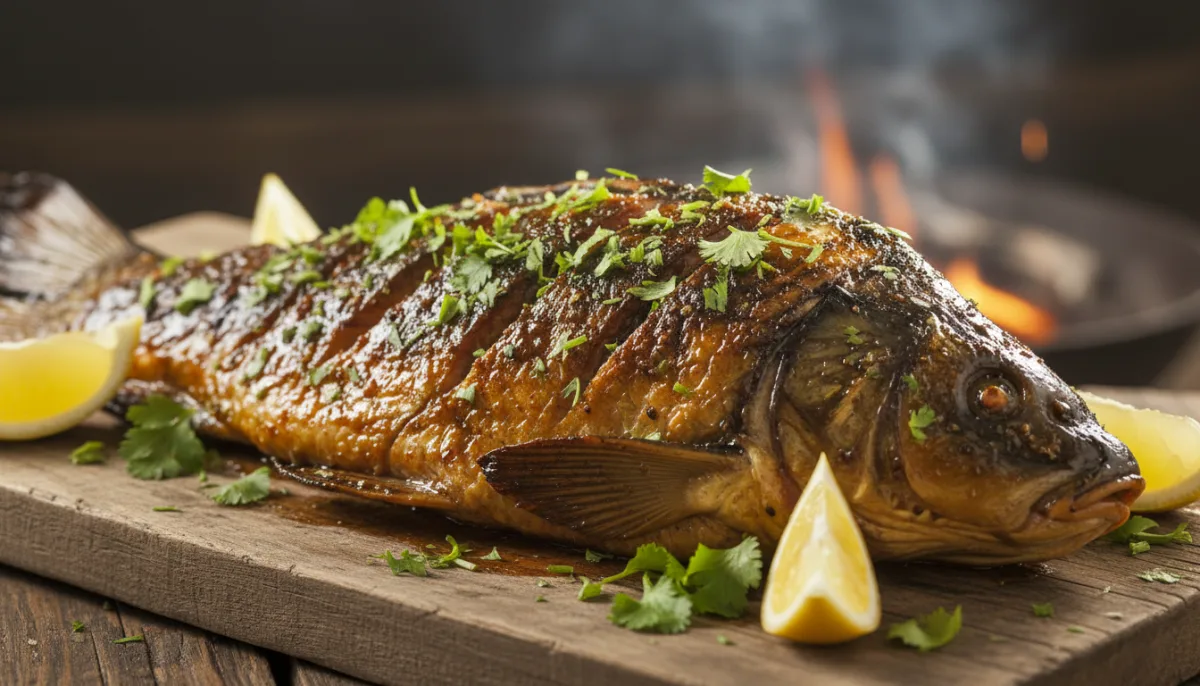
- Chicken or Fish: Lemon zest, garlic powder, and dried dill or rosemary can create a bright, aromatic rub for poultry or fish.
- Soups and Stews: A pinch of bay leaf, a dash of smoked paprika, or a sprinkle of cumin can add depth and warmth to hearty dishes.
- Pasta Sauces: Beyond basil and oregano, consider a touch of red pepper flakes for heat or a hint of nutmeg in creamy sauces.
- Eggs: A sprinkle of chives, a dash of paprika, or a pinch of turmeric can brighten up scrambled eggs or omelets.
Frequently Asked Questions
Q: What's the difference between an herb and a spice?
A: Generally, herbs come from the leafy green part of a plant (e.g., basil, parsley), while spices come from other parts of the plant, such as the seeds, fruits, roots, bark, or flowers (e.g., cumin seeds, cinnamon bark, ginger root).
Q: How can I tell if my spices are still fresh?
A: The best way is to smell them. If a spice has a strong, distinct aroma, it's likely still potent. If it smells faint or like nothing at all, it's time to replace it. You can also rub a small amount between your fingers to release the aroma.
Q: Is it better to buy whole or ground spices?
A: Whole spices retain their flavor and aroma for much longer because their volatile oils are protected. Grinding them just before use releases the freshest, most intense flavor. However, ground spices are convenient for everyday cooking. A good approach is to buy frequently used spices like cumin and coriander whole, and grind them as needed, while buying less frequently used or very hard-to-grind spices already ground.
Conclusion: Your Flavor Journey Awaits
Embracing the world of herbs and spices is an exciting journey that will undoubtedly transform your cooking. By understanding their individual characteristics and learning how to combine them thoughtfully, you gain the power to create dishes that are not just nourishing, but truly inspiring. Start with a few essentials, experiment with confidence, and soon you'll be unlocking incredible flavors in every meal you prepare. Happy cooking!