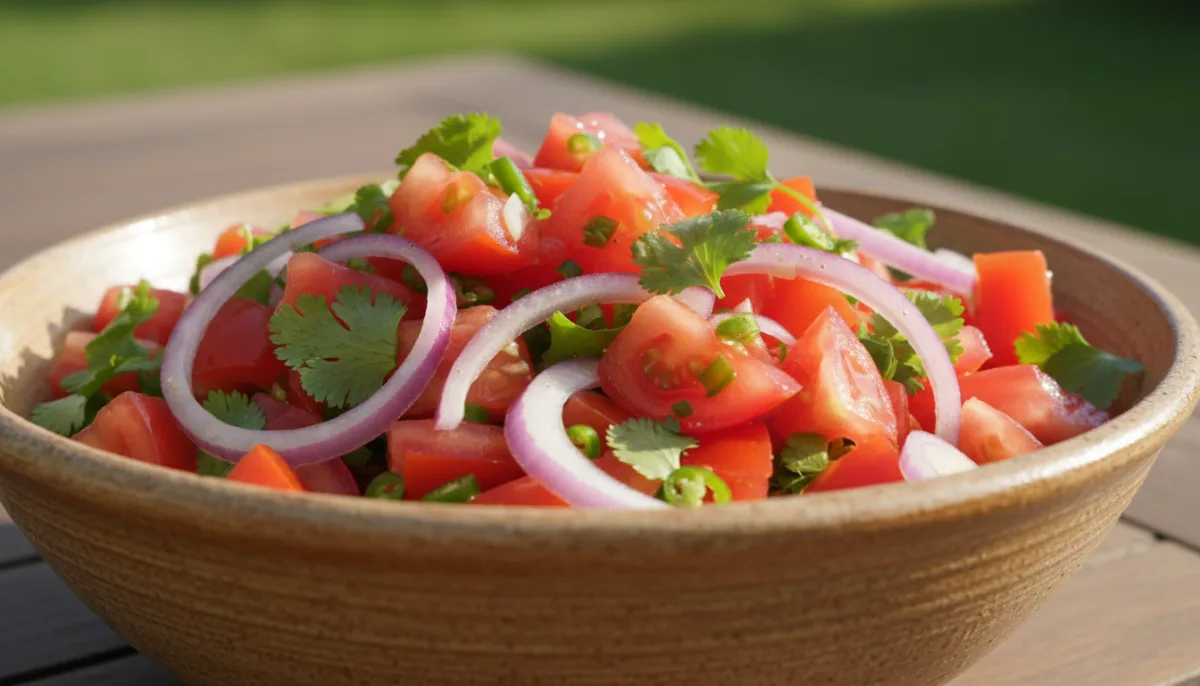


Embracing the Green: Your Guide to Fresh Herbs Fresh herbs are more than just a garnish; they are a gateway to elevating your home cooking from good to truly memorable. Their vibrant colors, intoxicating aromas, and complex flavors can transform even the simplest ingredients into something extraordinary. But for many home cooks,…
Embracing the Green: Your Guide to Fresh Herbs
Fresh herbs are more than just a garnish; they are a gateway to elevating your home cooking from good to truly memorable. Their vibrant colors, intoxicating aromas, and complex flavors can transform even the simplest ingredients into something extraordinary. But for many home cooks, navigating the world of fresh herbs can feel a bit daunting. Which ones do you choose? How do you keep them from wilting? And how do you know which herb goes with what dish?
Fear not! This guide is designed to demystify fresh herbs, empowering you to confidently incorporate their magic into your daily meals. We'll explore how to select the best bunches, keep them fresh longer, prepare them efficiently, and pair them harmoniously with a variety of everyday dishes.
Choosing Your Greens: Selection Tips
The journey to delicious herb-infused meals begins at the market. Here’s what to look for:
- Vibrant Color: Healthy herbs should boast bright, consistent color without any yellowing, browning, or dark spots.
- Firmness: The leaves and stems should feel firm and crisp, not limp or slimy.
- Aroma: A good sniff test is crucial. Fresh herbs should have a strong, characteristic fragrance. If it smells faint or off, pass on it.
- Avoid Damage: Look for herbs free from wilting, bruising, or insect damage.
Keeping Them Lively: Storage Solutions
Proper storage is key to extending the life of your fresh herbs. Different herbs prefer different methods:
Soft Herbs (e.g., Parsley, Cilantro, Basil, Mint, Dill)
These herbs have tender stems and leaves. Treat them like a bouquet of flowers:
- Trim about an inch off the bottom of the stems.
- Place them upright in a glass or jar with about an inch of water.
- For parsley, cilantro, mint, and dill, cover loosely with a plastic bag and refrigerate.
- For basil, which is sensitive to cold, leave it on the counter at room temperature, away from direct sunlight.
- Change the water every day or two.
Hard Herbs (e.g., Rosemary, Thyme, Oregano, Sage)
These herbs have woodier stems and tougher leaves. They are more resilient:
- Wrap the unwashed herbs loosely in a slightly damp paper towel.
- Place the wrapped herbs in a resealable plastic bag or an airtight container.
- Store in the refrigerator's crisper drawer.
Getting Ready: Preparation Pointers
Before adding herbs to your dish, a little preparation goes a long way:
- Washing: Always wash fresh herbs thoroughly under cool running water, even if they look clean. Gently pat them dry with a clean kitchen towel or use a salad spinner. Excess moisture can dilute flavor and prevent proper adhesion to other ingredients.
- Chopping: The way you chop depends on the herb and the dish. For delicate herbs like parsley or cilantro, a fine chop is often preferred. For heartier herbs like rosemary or thyme, you might strip the leaves from the stem and chop them coarsely, or even leave them whole for infusing.
- When to Add: Delicate herbs (like basil, parsley, cilantro) are best added at the end of cooking or as a garnish to preserve their fresh flavor and vibrant color. Heartier herbs (like rosemary, thyme, oregano) can withstand longer cooking times and are often added earlier to allow their flavors to meld.
The Perfect Match: Pairing Herbs with Dishes
Here’s a quick guide to some common fresh herbs and their ideal culinary companions:
Parsley (Flat-leaf and Curly)
- Flavor Profile: Fresh, clean, slightly peppery.
- Pairs With: Almost everything! Excellent with fish, chicken, eggs, potatoes, soups, stews, and salads. A staple in Mediterranean and Middle Eastern cuisines.
- Try It In: Gremolata, tabbouleh, sprinkled over roasted vegetables, or mixed into a simple vinaigrette.
Cilantro
- Flavor Profile: Bright, citrusy, pungent (some perceive it as soapy).
- Pairs With: Mexican, Indian, Thai, and Vietnamese dishes. Great with avocado, lime, chili, and garlic.
- Try It In: Salsas, guacamole, curries, pho, and as a fresh finish for tacos.
Basil
- Flavor Profile: Sweet, peppery, aromatic with hints of anise.
- Pairs With: Tomatoes, mozzarella, garlic, olive oil, chicken, pasta, and pizza.
- Try It In: Pesto, Caprese salad, tomato sauces, or torn over a margherita pizza.
Mint
- Flavor Profile: Cool, refreshing, sweet, and pungent.
- Pairs With: Lamb, peas, potatoes, chocolate, fruits, and yogurt. Also excellent in beverages.
- Try It In: Mint sauce for lamb, fruit salads, mojitos, or a refreshing tea.
Rosemary
- Flavor Profile: Piney, woody, pungent, and slightly bitter.
- Pairs With: Lamb, chicken, potatoes, root vegetables, bread, and olive oil.
- Try It In: Roasted chicken and potatoes, focaccia bread, or infused into olive oil.
Thyme
- Flavor Profile: Earthy, woody, slightly floral, and savory.
- Pairs With: Poultry, beef, mushrooms, eggs, potatoes, and most vegetables. A versatile herb.
- Try It In: Soups, stews, roasted chicken, or scrambled eggs.
Dill
- Flavor Profile: Fresh, grassy, slightly anise-like, and tangy.
- Pairs With: Fish (especially salmon), potatoes, cucumbers, yogurt, eggs, and pickles.
- Try It In: Tzatziki, gravlax, potato salad, or sprinkled over baked fish.
Frequently Asked Questions About Fresh Herbs
Q: Can I substitute dried herbs for fresh herbs?
A: Yes, but with caution. Dried herbs are more concentrated in flavor than fresh herbs. A general rule of thumb is to use one-third the amount of dried herbs for fresh herbs (e.g., 1 teaspoon dried for 1 tablespoon fresh). However, the flavor profile will be different, as fresh herbs offer a brighter, more vibrant taste.
Q: What's the best way to clean sandy herbs like leeks or cilantro?
A: For herbs that might have a lot of grit, like cilantro or parsley, fill a large bowl with cold water and submerge the herbs. Swish them around gently to dislodge any sand or dirt, then lift them out, leaving the grit at the bottom of the bowl. Repeat if necessary, then pat dry.
Q: My basil always wilts quickly. What am I doing wrong?
A: Basil is particularly sensitive to cold. Unlike most other soft herbs, it should not be stored in the refrigerator. Keep it on the counter in a jar of water, away from direct sunlight, and it will last much longer. Avoid washing it until just before use.
Unleash the Flavor
Incorporating fresh herbs into your cooking is a simple yet impactful way to add depth, aroma, and visual appeal to your meals. With a little knowledge about selection, storage, and pairing, you'll soon find yourself reaching for these green gems with confidence. Experiment, taste, and discover the endless possibilities they bring to your kitchen. Happy cooking!