
Introduction: The Magic of Maillard Have you ever wondered what makes a perfectly seared steak so incredibly delicious, or why a roasted chicken develops that enticing, crispy skin? It's more than just cooking; it's a chemical transformation known as the Maillard reaction. This complex process is responsible for the rich, savory…
Introduction: The Magic of Maillard
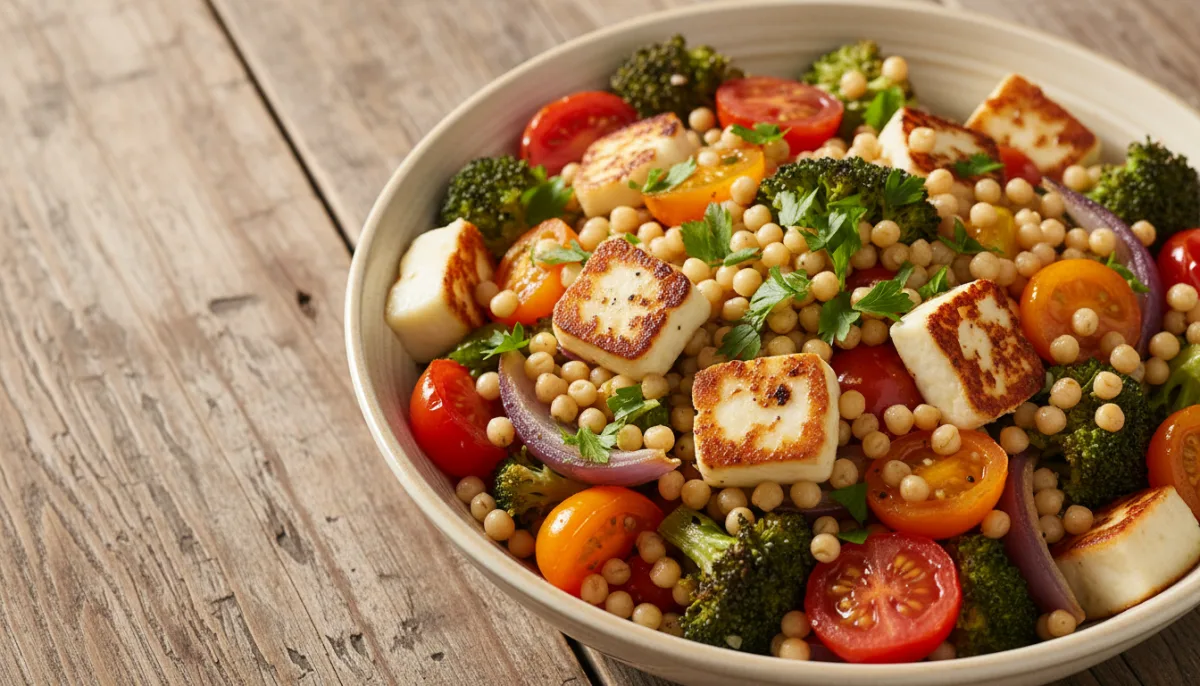
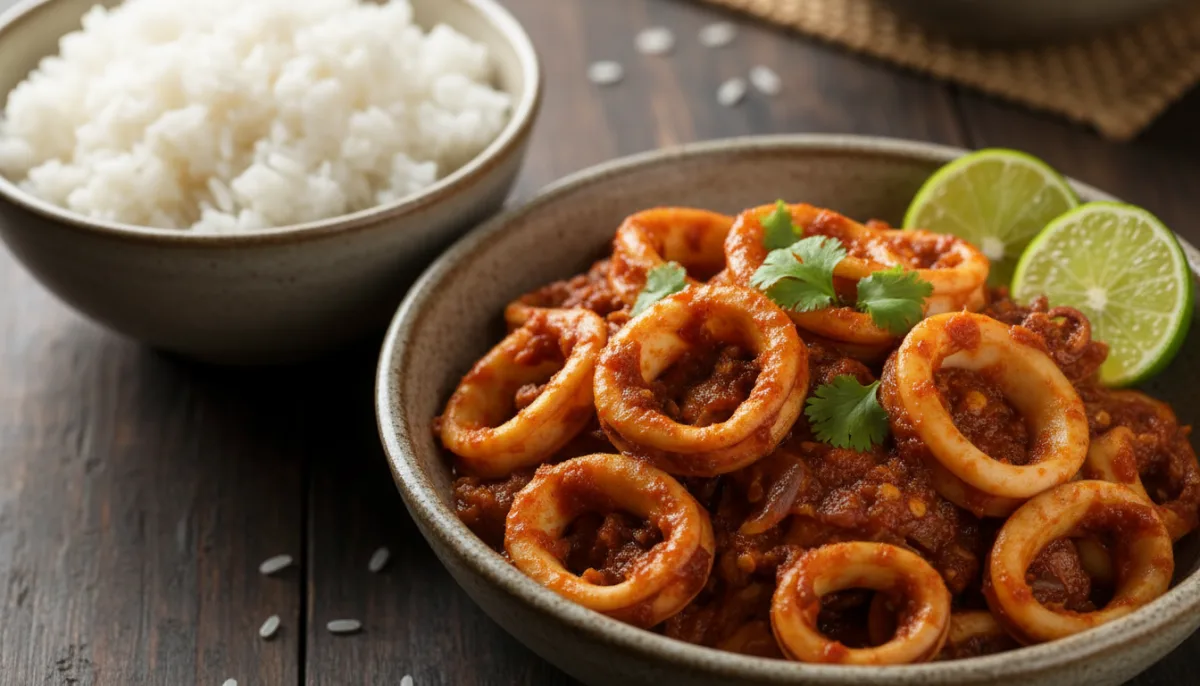
Have you ever wondered what makes a perfectly seared steak so incredibly delicious, or why a roasted chicken develops that enticing, crispy skin? It's more than just cooking; it's a chemical transformation known as the Maillard reaction. This complex process is responsible for the rich, savory flavors, aromatic compounds, and beautiful golden-brown crusts that elevate so many of our favorite dishes. Understanding the science behind it isn't just for chefs; it's a powerful tool for any home cook looking to consistently achieve culinary excellence.
In this guide, we'll explore the fundamental principles of the Maillard reaction, breaking down what it is, what it needs, and how you can harness its power in your own kitchen. From searing to roasting, we'll provide practical tips to ensure your dishes are always bursting with flavor and sporting that coveted golden hue.
What is the Maillard Reaction?
At its core, the Maillard reaction is a series of chemical reactions between amino acids (the building blocks of proteins) and reducing sugars (simple sugars like glucose and fructose) when heated. Unlike caramelization, which involves only sugars, Maillard requires both proteins and sugars to occur. This interaction creates hundreds of new flavor and aroma compounds, leading to the distinctive taste and smell we associate with browned foods.
Think of it as a flavor factory. When you apply heat, these molecules start to rearrange, break apart, and combine in new ways, producing a vast array of compounds. Some of these are responsible for nutty, roasted, or meaty notes, while others contribute to the deep color. The specific compounds formed depend on the type of amino acids and sugars present, the temperature, and the cooking time, which is why different browned foods have unique flavor profiles.
Key Factors for Maillard Success
To consistently achieve that perfect brown, you need to control a few critical elements:
1. Temperature is Paramount
- High Heat: The Maillard reaction typically begins to occur at temperatures above 285°F (140°C). Below this, you'll mostly get steaming or boiling, which doesn't produce the desired browning.
- Consistent Heat: Ensure your cooking surface or oven maintains a steady, high temperature. Fluctuations can lead to uneven browning.
2. Moisture Management
- Dry Surface is Crucial: Water boils at 212°F (100°C). As long as there's significant moisture on the surface of your food, the temperature won't rise above this point, preventing the Maillard reaction. Patting food dry with paper towels before cooking is one of the most important steps.
- Avoid Overcrowding: When you overcrowd a pan, the food releases moisture, which then steams rather than sears. Cook in batches if necessary to maintain high surface temperatures.
3. Surface Area and Contact
- Maximize Contact: For searing, ensure the food has direct, even contact with the hot pan. A flat surface will brown more effectively than an uneven one.
- Even Pieces: Cut food into relatively uniform pieces to ensure they cook and brown at a similar rate.
4. Time and Patience
- Don't Rush It: Browning takes time. Resist the urge to flip or stir too soon. Allow a crust to form before moving the food.
- Monitor Closely: While patience is key, don't walk away. The transition from perfectly browned to burnt can happen quickly.
Practical Applications: Mastering Maillard in Your Kitchen
For Roasts (Chicken, Pork, Beef):
Roasting is an excellent method for developing deep Maillard flavors and a beautiful crust.
- Pat Dry Thoroughly: This cannot be stressed enough. Remove all surface moisture from your roast before seasoning.
- High Initial Temperature: Start your roast in a very hot oven (e.g., 400-450°F / 200-230°C) for the first 15-20 minutes. This kickstarts the browning process. You can then reduce the temperature to finish cooking.
- Fat is Your Friend: A thin layer of fat on the surface (like chicken skin or a fat cap on beef) helps conduct heat and contributes to crispiness and flavor.
- Don't Cover Too Soon: If you want a crispy skin or crust, avoid covering the roast with foil until the very end, if at all, to prevent steaming.
For Seared Dishes (Steaks, Chops, Fish, Vegetables):
Searing is all about creating an intense, flavorful crust in a short amount of time.
- Preheat Your Pan: Get your pan screaming hot before adding any oil or food. A cast iron or stainless steel pan is ideal for retaining heat.
- Use High Smoke Point Oil: Once hot, add a thin layer of oil with a high smoke point (e.g., grapeseed, canola, avocado). This prevents the oil from burning before the food browns.
- Dry Food Surface: Again, pat your protein or vegetables completely dry.
- Don't Overcrowd: Cook in batches if necessary. Give each piece space to breathe and sear properly.
- Resist the Urge to Flip: Let the food sit undisturbed until a deep brown crust forms. You'll often see the edges of the food start to brown, indicating it's ready to flip.
- Deglaze for Sauce: After searing, the browned bits (fond) left in the pan are packed with Maillard flavors. Deglaze with wine, broth, or water to create a delicious pan sauce.
For Baked Goods (Bread, Cookies):
Even in baking, the Maillard reaction plays a role in crust development and flavor.
- Egg Washes: An egg wash (egg mixed with a little water or milk) provides proteins and sugars that enhance browning on pastries and breads.
- Milk or Cream: Brushing milk or cream on bread dough before baking can also contribute to a richer, browner crust.
- Oven Temperature: Ensure your oven is at the correct temperature. Too low, and you won't get good browning; too high, and it might burn before cooking through.
Troubleshooting Common Browning Issues
- Food is Steaming, Not Browning: Your pan isn't hot enough, or you've overcrowded it. Remove some food, increase heat, and ensure the surface is dry.
- Browning is Uneven: Your pan might have hot spots, or the food isn't making even contact. Use a heavier-bottomed pan, or press down gently on the food to ensure full contact.
- Food is Burning Before Browning: The heat is too high, or there's too much sugar on the surface. Reduce heat slightly, or adjust your marinade/rub.
- No Browning at All: The temperature is too low, or the food surface is too wet. Re-evaluate your heat source and dry your food thoroughly.
Frequently Asked Questions About Browning
Q: Is the Maillard reaction the same as caramelization?
A: No, they are distinct processes. Caramelization involves only sugars breaking down under high heat (typically above 320°F / 160°C), producing nutty, buttery, or slightly bitter flavors. The Maillard reaction requires both amino acids and reducing sugars and occurs at slightly lower temperatures (starting around 285°F / 140°C), creating a much wider range of complex savory, meaty, and roasted flavors.
Q: Does adding sugar help with browning?
A: Yes, to a degree. Since the Maillard reaction requires reducing sugars, adding a small amount of sugar (like in a rub or marinade) can enhance browning. However, too much sugar can lead to burning before the food is cooked through, as sugars caramelize at lower temperatures than the Maillard reaction fully develops. Balance is key.
Q: Why do some foods brown better than others?
A: The browning potential of food depends on its composition. Foods rich in both proteins and reducing sugars (like meat, poultry, and some vegetables) will brown more readily and intensely. Foods with very low protein or sugar content (e.g., plain boiled potatoes) will not brown significantly through the Maillard reaction.
Conclusion
The Maillard reaction is a cornerstone of delicious cooking, transforming simple ingredients into culinary masterpieces. By understanding the interplay of heat, moisture, and time, you can consistently achieve that coveted golden-brown crust and unlock a world of rich, savory flavors in your roasts, seared dishes, and even baked goods. So, the next time you're in the kitchen, remember the science, apply these tips, and enjoy the perfection of Maillard!