
The Quest for Juicy Chicken Breast Chicken breast is a versatile protein, a staple in many kitchens. Its lean nature, however, often leads to a common culinary frustration: dryness. Achieving that tender, succulent texture isn't a mystery; it's a matter of understanding a few key principles and applying reliable techniques. This…
The Quest for Juicy Chicken Breast
Chicken breast is a versatile protein, a staple in many kitchens. Its lean nature, however, often leads to a common culinary frustration: dryness. Achieving that tender, succulent texture isn't a mystery; it's a matter of understanding a few key principles and applying reliable techniques. This guide will walk you through the essentials, ensuring your chicken breast is flavorful and moist, not tough and bland.
Understanding the Challenge: Why Chicken Dries Out
The primary reason chicken breast becomes dry is overcooking. It's a lean cut with very little fat, which means its muscle fibers tighten and expel moisture rapidly once they pass their optimal temperature. Unlike fattier cuts, there's no significant fat content to melt and lubricate the meat, making precise temperature control crucial.
Reliable Cooking Methods for Moist Results
Different cooking methods suit chicken breast, each with its own advantages for moisture retention. The key is often a quick, efficient cook that brings the internal temperature to safe levels without lingering too long.
Pan-Searing and Oven Finishing
This two-step method is excellent for developing a flavorful crust while ensuring even cooking. Start by searing the chicken breast in a hot pan (cast iron works wonderfully) with a little oil until golden brown on both sides. This creates a barrier that helps lock in juices. Then, transfer the pan to a preheated oven to finish cooking. The oven's ambient heat cooks the chicken more gently and evenly than direct stovetop heat alone, reducing the risk of overcooking the exterior while the interior remains raw.
Poaching
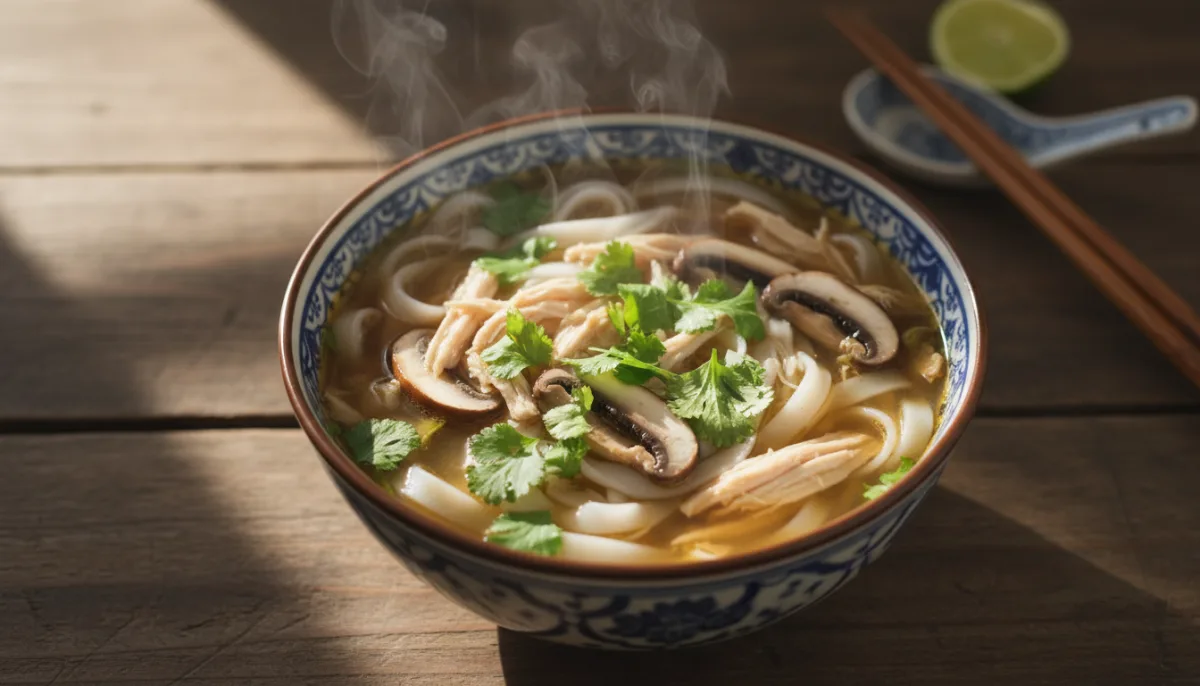
Poaching involves gently simmering chicken breast in liquid – water, broth, or even wine – just below a boil. This method is incredibly forgiving and results in exceptionally tender, moist chicken. Since the chicken is fully submerged, it cooks evenly without any risk of drying out from direct heat exposure. It's ideal for chicken destined for salads, sandwiches, or shredding.
Sous Vide
For ultimate precision and consistent results, sous vide cooking is hard to beat. Chicken breast is sealed in a vacuum bag and cooked in a temperature-controlled water bath. This method ensures the chicken cooks to the exact desired doneness from edge to edge, without any risk of overcooking. The low, precise temperature prevents the muscle fibers from tightening excessively, yielding incredibly tender and juicy meat.
The Critical Role of Doneness Cues
Visual cues can be misleading. The only truly reliable way to determine if chicken breast is safely cooked and perfectly moist is by checking its internal temperature.
Using a Meat Thermometer
An instant-read meat thermometer is your best friend. Insert it into the thickest part of the chicken breast, avoiding any bones. The safe internal temperature for chicken is 165°F (74°C). However, many chefs recommend pulling chicken breast off the heat when it reaches 160°F (71°C), as it will continue to cook a few degrees more while resting (carryover cooking). This slight buffer helps prevent overcooking.
The Importance of Resting
Once cooked, always let your chicken breast rest for at least 5-10 minutes before slicing. During cooking, the muscle fibers contract, pushing juices towards the center. Resting allows these juices to redistribute throughout the meat, resulting in a much juicier final product. If you cut into it too soon, the juices will simply run out onto your cutting board.
Common Mistakes to Avoid
- Overcooking: This is the number one culprit. Rely on a thermometer, not guesswork.
- High Heat for Too Long: While a good sear is beneficial, prolonged high heat will dry out the chicken quickly.
- Not Pounding Evenly: If your chicken breast is much thicker on one end, the thinner part will overcook before the thicker part is done. Pound it to an even thickness for uniform cooking.
- Skipping the Rest: As mentioned, resting is crucial for juice retention.
- Starting with Cold Chicken: Bringing chicken closer to room temperature (about 15-20 minutes out of the fridge) before cooking helps it cook more evenly.
Practical Tips for Flavor and Moisture
- Brining: A simple brine (salt and water, sometimes with sugar and aromatics) can significantly improve moisture and flavor. The salt helps the muscle fibers retain more water during cooking. Even a 30-minute brine can make a difference.
- Marinades: Acidic marinades (lemon juice, vinegar) can tenderize, but be careful not to marinate for too long as acids can also 'cook' the protein, making it mushy. Oil-based marinades with herbs and spices add flavor without affecting texture as much.
- Pounding: Pounding chicken breast to an even thickness (about ¾ to 1 inch) ensures it cooks uniformly, preventing thinner edges from drying out while the center finishes.
- Searing First: For stovetop or oven-finished chicken, a good sear creates a flavorful crust and helps seal in juices.
- Don't Crowd the Pan: When searing, give chicken pieces space. Crowding lowers the pan temperature, leading to steaming instead of searing, and a less desirable texture.
Frequently Asked Questions
Q: Can I tell if chicken is done by cutting into it?
A: While cutting into chicken might show you if it's pink, it's not a reliable indicator of doneness and causes valuable juices to escape. A meat thermometer is the only accurate way to ensure it's safely cooked and perfectly moist.
Q: How long should I brine chicken breast?
A: For chicken breast, a brine of 30 minutes to 2 hours is usually sufficient. Over-brining can make the chicken too salty or give it a slightly spongy texture.
Q: What's the best way to reheat cooked chicken breast without drying it out?
A: Reheat gently. A microwave can dry it out quickly. Try reheating in a covered pan on low heat with a splash of broth or water, or in a low oven (around 275°F/135°C) covered with foil until just warmed through. Slicing it before reheating can also help.
With these methods and tips, you're well-equipped to cook chicken breast that is consistently juicy, tender, and full of flavor. Embrace your meat thermometer, understand the importance of resting, and enjoy perfectly cooked chicken every time.