Home › Recipes › Breakfast ›Yemeni ›Yemeni Sabaya: Layered Honey Bread with Black Seeds
BREAKFAST

Yemeni Sabaya: Layered Honey Bread with Black Seeds

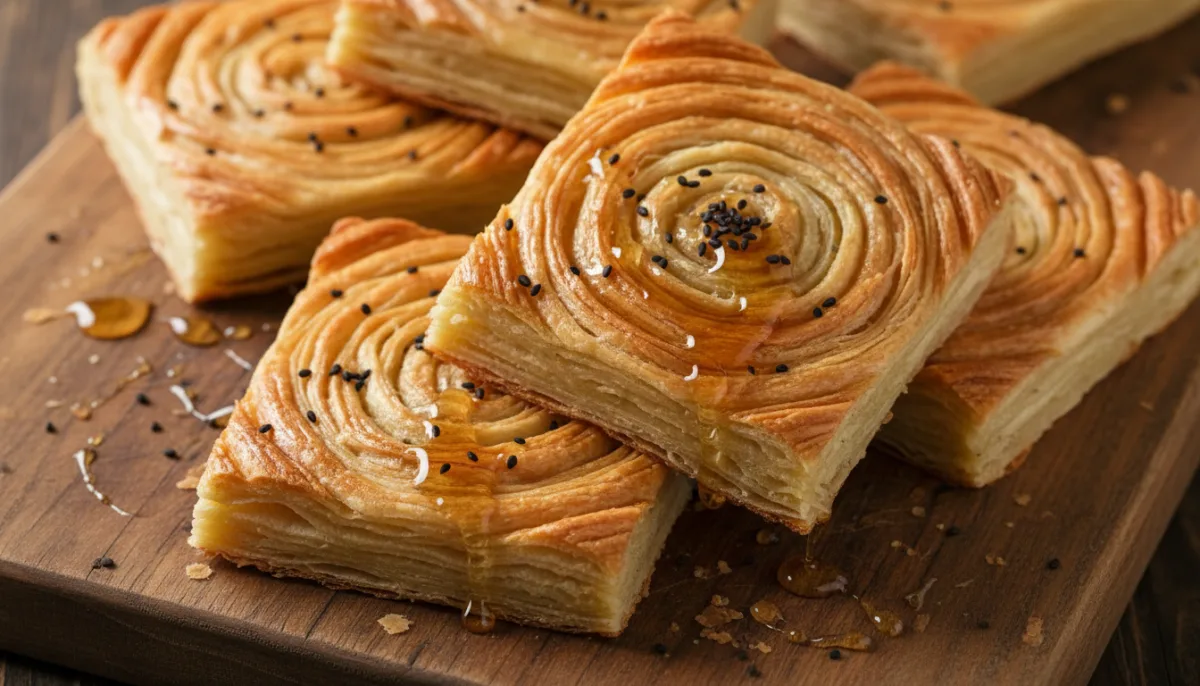
Sabaya is a traditional Yemeni layered bread, known for its delicate, flaky texture and rich flavor. This recipe features layers brushed with honey and butter, sprinkled with aromatic black seeds, making it a perfect sweet and savory breakfast.

✎
HOW TO MAKE IT

Let's cook.

01

In a large bowl, combine the flour, salt, and yeast. Gradually add the warm water, mixing until a soft, pliable dough forms. Knead for 5-7 minutes on a lightly floured surface until smooth and elastic. Cover the bowl with a clean cloth and let it rest in a warm place for 30 minutes.

02

Divide the dough into 8 equal pieces. Roll each piece into a thin, approximately 8-inch (20 cm) circle. Brush each circle generously with melted butter.

03

Stack the buttered dough circles on top of each other. Gently roll the stacked dough into a large, thin rectangle, about 12x18 inches (30x45 cm).

04

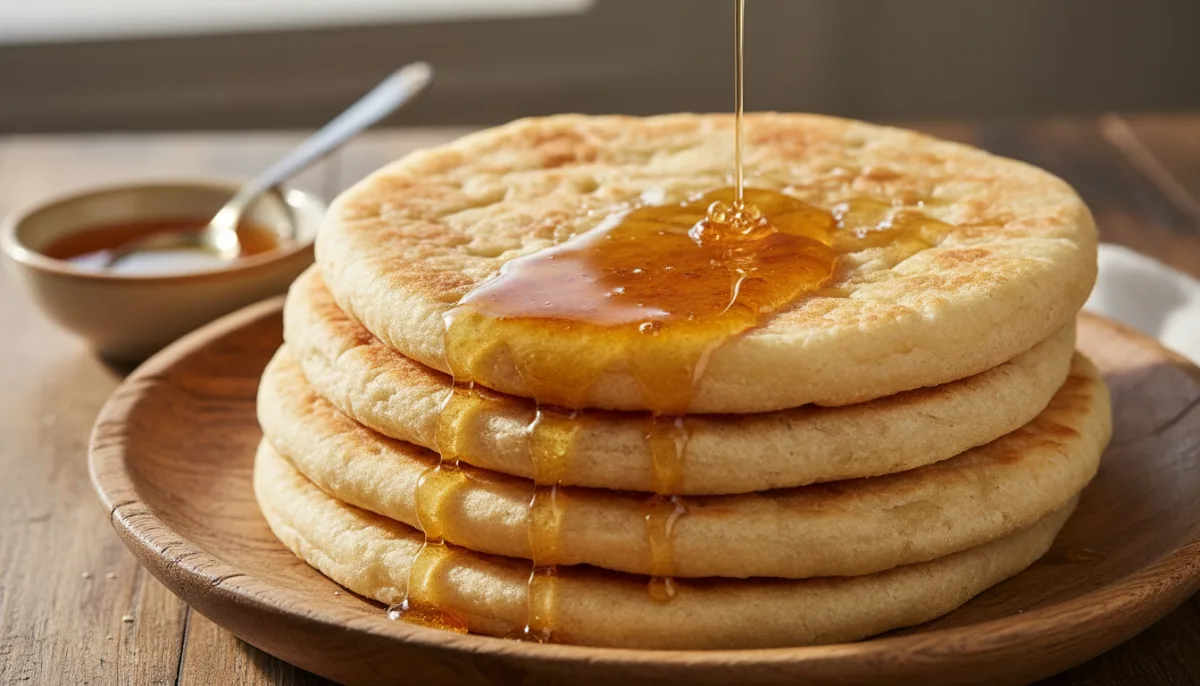
Brush the entire surface of the rolled dough with the remaining melted butter and drizzle with honey. Sprinkle evenly with black seeds.

05

Starting from one long edge, tightly roll the dough into a log. Cut the log into 8 equal pieces. Place each piece cut-side up on a baking sheet lined with parchment paper. Gently flatten each piece into a disc, about 3 inches (7.5 cm) in diameter.

06

Bake at 375°F (190°C) for 20-25 minutes, or until golden brown and puffed. The layers should be visible and flaky.

07

Remove from the oven and serve warm.

About This Recipe

Sabaya is a traditional Yemeni layered bread, known for its delicate, flaky texture and rich flavor. This recipe features layers brushed with honey and butter, sprinkled with aromatic black seeds, making it a perfect sweet and savory breakfast.
Yemeni Sabaya: Layered Honey Bread with Black Seeds
Simple ingredients.
Big flavor.
✦
♨

Chef's Tips

For extra flakiness, ensure each layer is well-buttered. Don't over-knead the dough after the initial rise, as this can make it tough. Adjust honey and black seeds to your preference.
↔

Easy Substitutions

You can substitute ghee for butter for a richer flavor. If black seeds are unavailable, sesame seeds can be used, though the flavor profile will differ. A touch of sugar can be added to the dough for a sweeter bread.
▱

Storage & Reheating

Store leftover Sabaya in an airtight container at room temperature for up to 2 days. Reheat gently in a toaster oven or microwave until warm and slightly crispy.

Serving Suggestions

Serve warm with a side of fresh fruit, such as sliced bananas or berries. Pair with a cup of traditional Yemeni tea or strong coffee. Enjoy with a dollop of clotted cream or plain yogurt for a tangy contrast. A light drizzle of extra honey just before serving can enhance its sweetness.

Common Mistakes

1. Not kneading the dough enough: This results in a tough, less pliable dough that's hard to roll thin. Knead until smooth and elastic. 2. Not buttering layers sufficiently: Insufficient butter prevents the layers from separating, leading to a dense bread. Be generous with the butter. 3. Over-baking: Baking too long can dry out the bread, making it hard instead of flaky. Watch for a golden-brown color. 4. Rolling the dough too thick: Thick layers won't puff up as much and will be less delicate. Aim for thin, even circles. 5. Not letting the dough rest: Resting allows the gluten to relax, making the dough easier to handle and roll.

Frequently Asked Questions

Can I make the dough ahead of time?

Yes, you can prepare the dough and let it rise in the refrigerator overnight. Bring it to room temperature before proceeding with the rolling steps.


What are black seeds?

Black seeds, also known as nigella seeds or black cumin, are small, dark seeds with a slightly bitter, peppery, and oniony flavor. They are commonly used in Middle Eastern and Indian cuisine.

Can I use a stand mixer for the dough?

Absolutely! Use the dough hook attachment and knead on medium speed for about 5-7 minutes until the dough is smooth and elastic.

Is Sabaya typically sweet or savory?

Sabaya can be enjoyed both sweet and savory. This recipe leans sweet with honey, but it's also delicious with savory toppings like cheese or a spicy sauce.

How do I get the layers really thin?

Use a lightly floured surface and a rolling pin. If the dough resists, let it rest for a few minutes to relax the gluten, then continue rolling.
MORE TO KNOW
The key to Sabaya's distinctive layers is the rolling and buttering technique. After the initial rise, the dough is elastic enough to be rolled very thin. Brushing each layer with butter before stacking and re-rolling creates steam during baking, separating the layers and giving Sabaya its characteristic flakiness. The final rolling into a log and then flattening the pieces further enhances this layered effect, making each bite a delightful combination of soft interior and crisp exterior.
WHAT PEOPLE THINK

Reviews

☆

No reviews yet

Be the first person to review this recipe.

SHARE YOUR THOUGHTS

Made this recipe?

Tell us how it turned out.

Your review will be checked before appearing publicly.