Home › Recipes › Dessert ›Venezuelan ›Venezuelan Bienmesabe: Coconut and Sponge Cake Dessert
DESSERT

Venezuelan Bienmesabe: Coconut and Sponge Cake Dessert

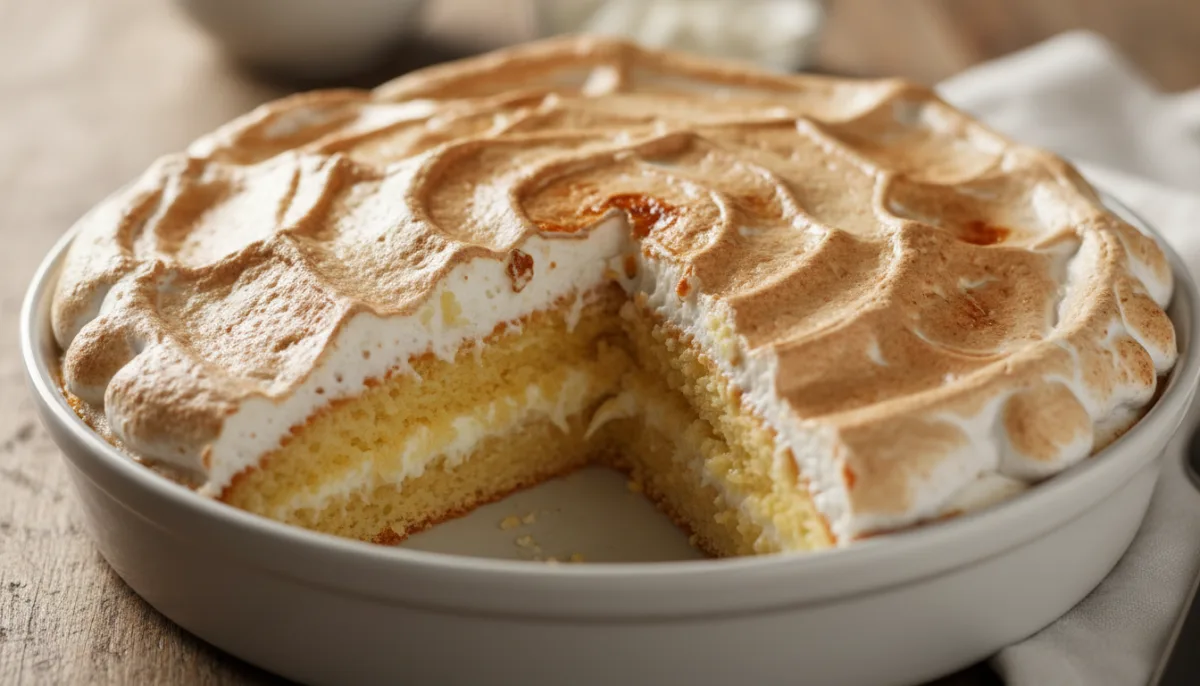
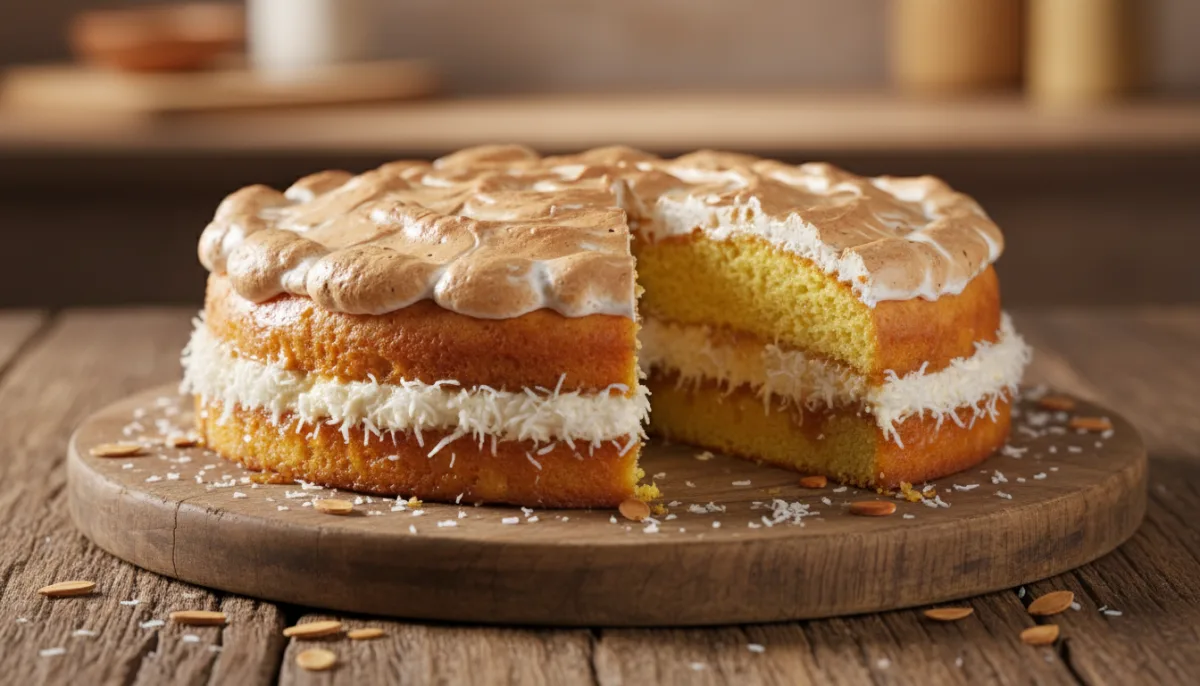
This Venezuelan Bienmesabe is a rich, creamy coconut and sponge cake dessert, soaked in a sweet coconut milk syrup and topped with a delicate meringue. It's a classic Latin American treat perfect for special occasions.

✎
HOW TO MAKE IT

Let's cook.

01

Prepare the yellow cake mix according to package directions and bake in a 9x13 inch baking pan. Let it cool completely.

02

In a large bowl, whisk together the sweetened condensed milk, evaporated milk, coconut milk, and shredded coconut. Set aside.

03

Once the cake is cool, use a fork or skewer to poke holes all over the top surface of the cake.

04

Slowly pour the coconut milk mixture evenly over the poked cake, allowing it to soak in completely. Refrigerate for at least 30 minutes.

05

In a clean, dry bowl, beat the egg whites with an electric mixer on medium speed until foamy. Add the cream of tartar and gradually add the granulated sugar, beating on high speed until stiff, glossy peaks form (this is your meringue).

06

Spread the meringue evenly over the chilled cake.

07

Bake the cake in a preheated oven at 350°F/175°C for 15-20 minutes, or until the meringue is lightly golden brown.

08

Let the Bienmesabe cool slightly before serving. It can be served warm or chilled.

About This Recipe

This Venezuelan Bienmesabe is a rich, creamy coconut and sponge cake dessert, soaked in a sweet coconut milk syrup and topped with a delicate meringue. It's a classic Latin American treat perfect for special occasions.
Venezuelan Bienmesabe: Coconut and Sponge Cake Dessert
Simple ingredients.
Big flavor.
✦
♨

Chef's Tips

For an extra rich flavor, toast the shredded coconut lightly in a dry pan before adding it to the milk mixture. Ensure your cake is completely cool before adding the milk mixture to prevent it from becoming soggy.
↔

Easy Substitutions

You can use a homemade sponge cake instead of a cake mix. For a dairy-free version, use full-fat coconut milk for all three milks and a plant-based meringue powder for the topping. A sprinkle of cinnamon or a drizzle of caramel can be added before serving.
▱

Storage & Reheating

Store leftover Bienmesabe covered in the refrigerator for up to 3-4 days. It tastes even better the next day as the flavors meld.

Serving Suggestions

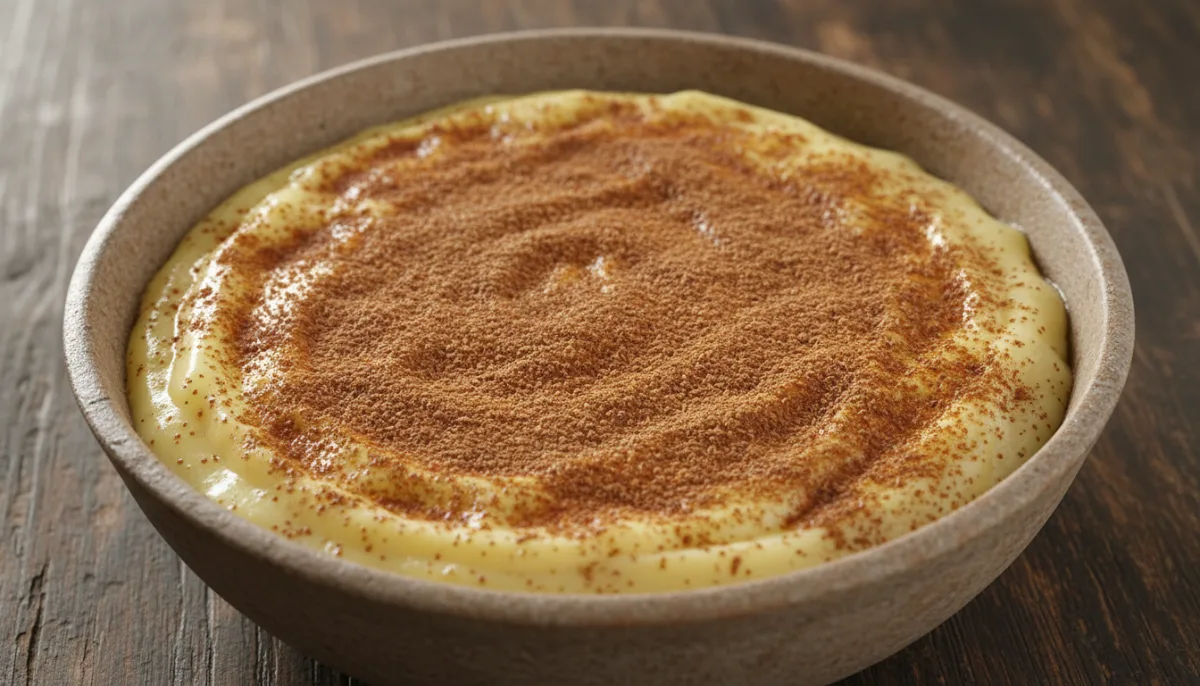
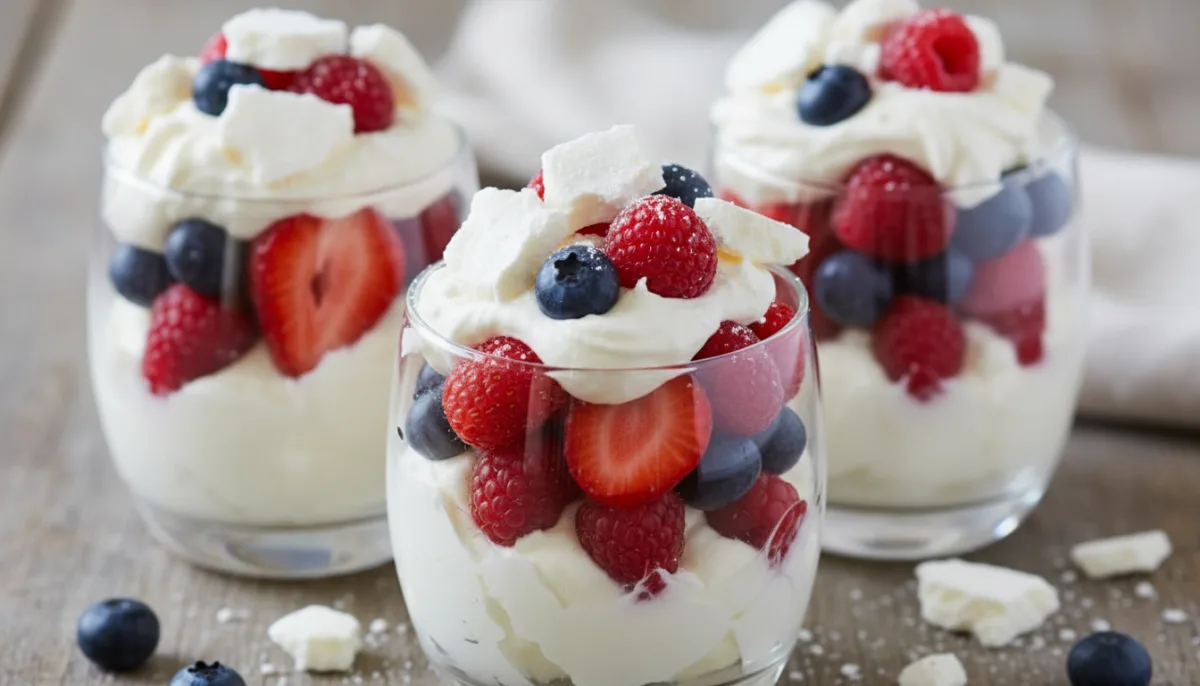
Serve individual slices with a dusting of cinnamon. Pair it with a cup of strong Venezuelan coffee. Garnish with fresh berries like raspberries or blueberries for a touch of tartness. A small scoop of vanilla bean ice cream would complement the warm Bienmesabe beautifully.

Common Mistakes

Not cooling the cake completely before adding the milk mixture can lead to a soggy texture. Over-beating the egg whites for the meringue can make them dry and crumbly, while under-beating will result in a runny meringue that won't hold its shape. Not poking enough holes in the cake will prevent the milk mixture from fully saturating it, leading to dry spots. Baking the meringue at too high a temperature or for too long can cause it to crack or burn.

Frequently Asked Questions

Can I make this dessert ahead of time?

Yes, Bienmesabe is excellent when made a day in advance, allowing the flavors to fully develop and the cake to absorb the milk mixture.


What kind of sponge cake should I use?

A light, airy sponge cake works best to absorb the liquids. A yellow cake mix is a convenient option, but a homemade genoise or chiffon cake would also be delicious.

Why did my meringue weep?

Meringue weeping can be caused by humidity, under-beating the egg whites, or not adding enough sugar. Ensure your bowl and beaters are completely grease-free.
MORE TO KNOW
Bienmesabe translates to 'tastes good to me' in Spanish, and this dessert certainly lives up to its name. The key to its success lies in the balance of the sweet, creamy coconut milk soaking into the light sponge cake, topped with a delicate, slightly toasted meringue. Achieving the perfect meringue requires clean equipment and careful beating to ensure stiff peaks. If your meringue is weeping, it might be due to humidity or under-beating. A touch of cream of tartar helps stabilize the egg whites, making for a more robust meringue.
WHAT PEOPLE THINK

Reviews

☆

No reviews yet

Be the first person to review this recipe.

SHARE YOUR THOUGHTS

Made this recipe?

Tell us how it turned out.

Your review will be checked before appearing publicly.