Home › Recipes › Dinner ›Romanian ›Romanian Mămăligă cu Brânză și Smântână
DINNER

Romanian Mămăligă cu Brânză și Smântână

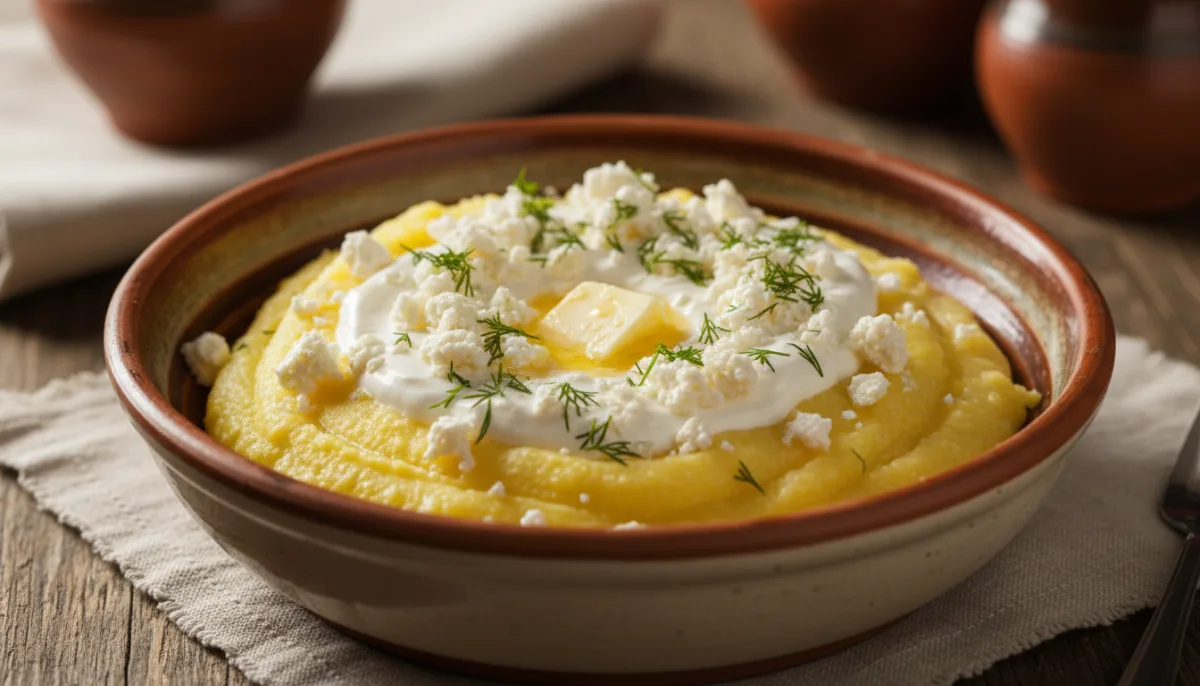
This classic Romanian dish features creamy polenta layered with salty cheese and rich sour cream, offering a comforting and hearty meal. It's a simple yet satisfying recipe that brings a taste of Eastern European tradition to your table.

✎
HOW TO MAKE IT

Let's cook.

01

Bring 4 cups of water and 1/2 teaspoon of salt to a rolling boil in a heavy-bottomed saucepan over high heat.

02

Gradually whisk in the cornmeal in a slow, steady stream to prevent lumps. Reduce heat to low and continue stirring frequently.

03

Cook the mămăligă for 15-20 minutes, stirring every few minutes, until it thickens significantly and pulls away from the sides of the pan. It should be smooth and creamy.

04

Remove the mămăligă from the heat. Stir in 1 tablespoon of butter until melted and fully incorporated.

05

To serve, spoon a layer of hot mămăligă onto plates. Top with a generous sprinkle of crumbled cheese, a dollop of sour cream, and a small pat of the remaining butter. Serve immediately.

About This Recipe

This classic Romanian dish features creamy polenta layered with salty cheese and rich sour cream, offering a comforting and hearty meal. It's a simple yet satisfying recipe that brings a taste of Eastern European tradition to your table.
Romanian Mămăligă cu Brânză și Smântână
Simple ingredients.
Big flavor.
✦
♨

Chef's Tips

For extra flavor, you can add a pinch of black pepper to the mămăligă while cooking. Ensure constant stirring, especially in the initial stages, to prevent the cornmeal from sticking and forming lumps. Serve this dish piping hot for the best experience.
↔

Easy Substitutions

If brânză de burduf is unavailable, crumbled feta cheese is a good substitute due to its salty and tangy profile. For a richer mămăligă, you can replace some of the water with milk or chicken broth. Greek yogurt can be used in place of sour cream for a slightly tangier and lighter option.
▱

Storage & Reheating

Leftover mămăligă can be stored in an airtight container in the refrigerator for up to 3 days. Reheat gently in a saucepan with a splash of water or milk, stirring until smooth. The cheese and sour cream are best added fresh upon reheating.

Serving Suggestions

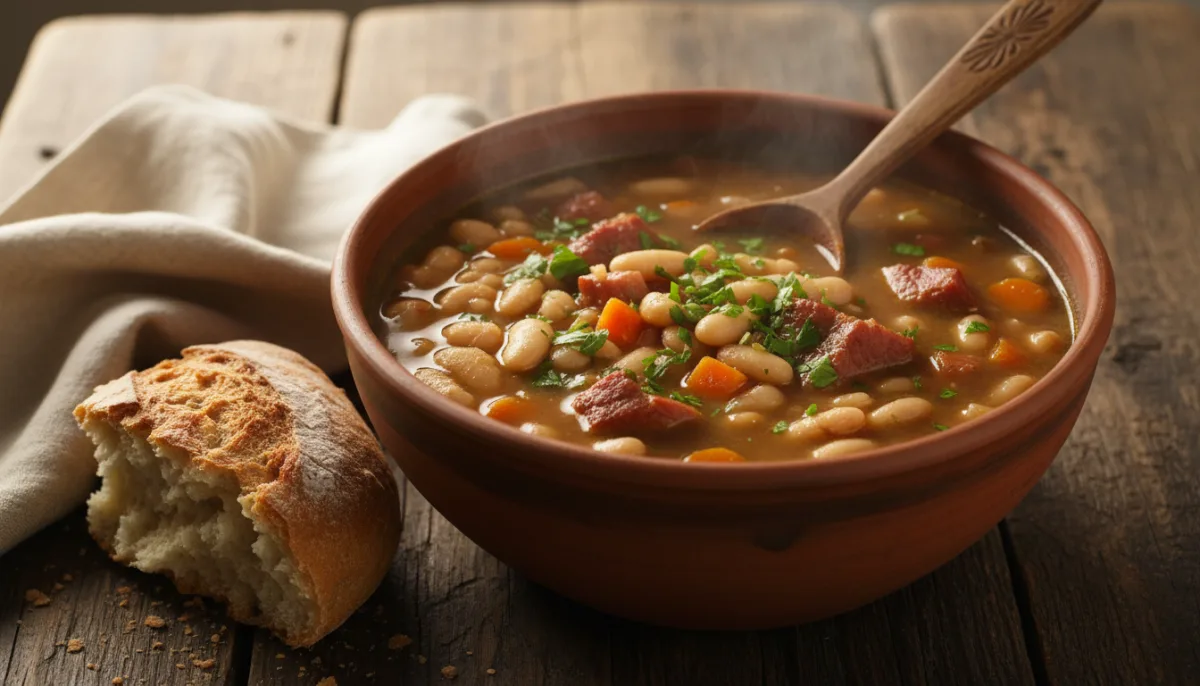
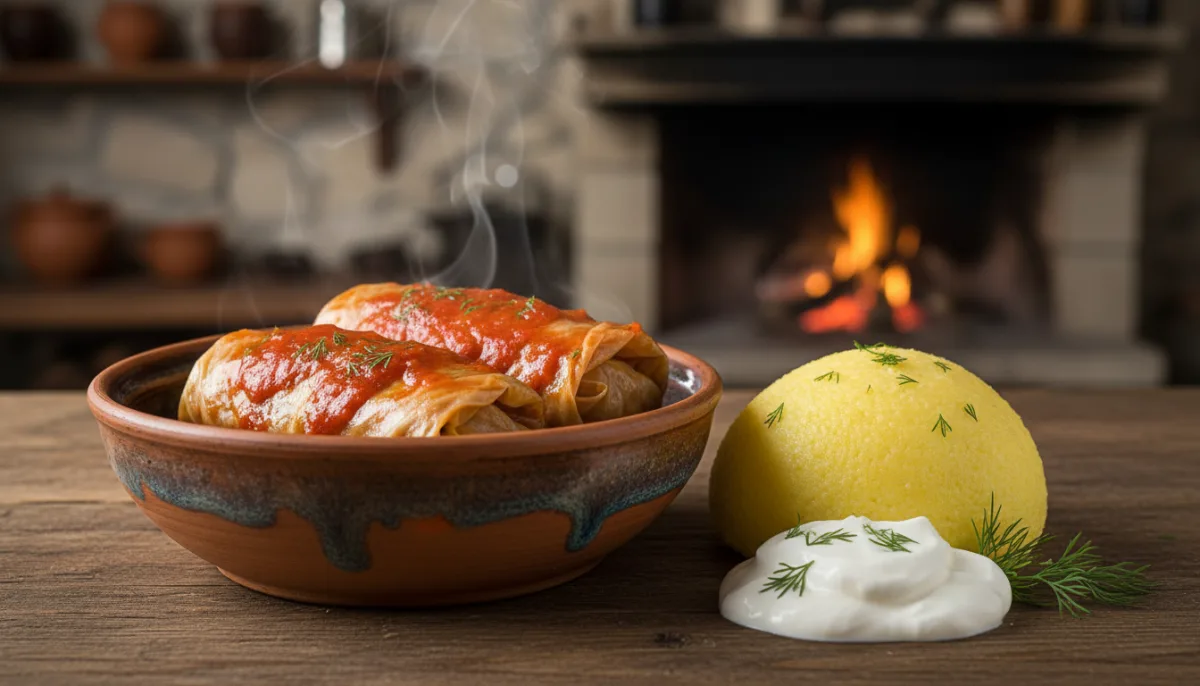
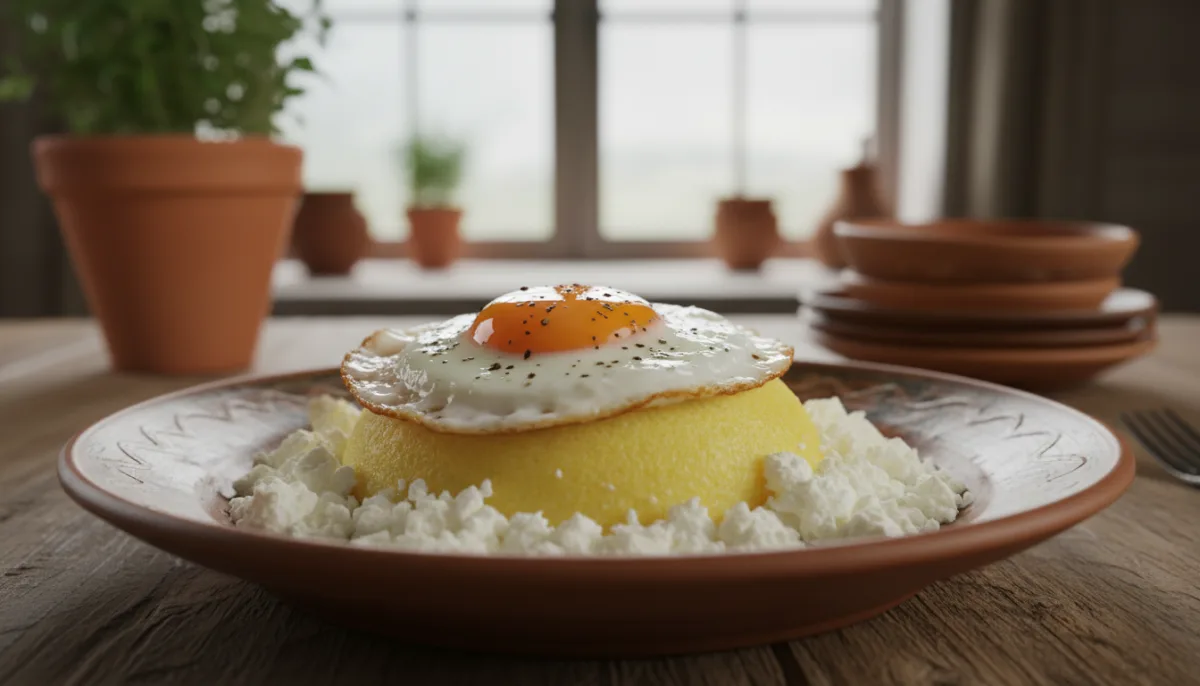
Serve alongside grilled sausages or a hearty stew. Enjoy with a side of pickled vegetables for a refreshing contrast. Pair with a simple green salad dressed with vinaigrette. It can also be a comforting breakfast with a fried egg on top.

Common Mistakes

Not stirring enough: This leads to lumpy mămăligă and can cause it to stick to the bottom of the pan. Stir frequently, especially during the first 10 minutes. Using instant polenta: While convenient, instant polenta will not yield the same creamy texture as fine cornmeal. Not seasoning properly: A pinch of salt is crucial to bring out the flavor of the cornmeal. Overcooking: Mămăligă can become too stiff if cooked for too long or with too little liquid. Adjust liquid as needed to maintain a creamy consistency.

Frequently Asked Questions

Can I make mămăligă ahead of time?

While best served fresh, you can make the mămăligă base ahead and reheat it with a little liquid. Add cheese and sour cream just before serving.


What kind of cheese is best for this recipe?

Brânză de burduf is traditional, but crumbled feta cheese is an excellent and widely available substitute.

Can I use milk instead of water?

Yes, using milk will result in a richer, creamier mămăligă. You can use all milk or a combination of milk and water.

Is this dish gluten-free?

Yes, cornmeal is naturally gluten-free, making this a suitable option for those avoiding gluten.
MORE TO KNOW
Mămăligă is a staple in Romanian cuisine, often referred to as 'poor man's food' due to its simple ingredients, yet it's incredibly versatile and comforting. The key to perfect mămăligă is patience and continuous stirring to achieve a smooth, lump-free consistency. The type of cornmeal matters; fine cornmeal yields a creamier texture, while coarser varieties will result in a more rustic feel. This dish is traditionally served as a main course or a hearty side.
WHAT PEOPLE THINK

Reviews

☆

No reviews yet

Be the first person to review this recipe.

SHARE YOUR THOUGHTS

Made this recipe?

Tell us how it turned out.

Your review will be checked before appearing publicly.