Home › Recipes › Breakfast ›Puerto Rican ›Puerto Rican Arepas de Coco with Guava Jam
BREAKFAST

Puerto Rican Arepas de Coco with Guava Jam

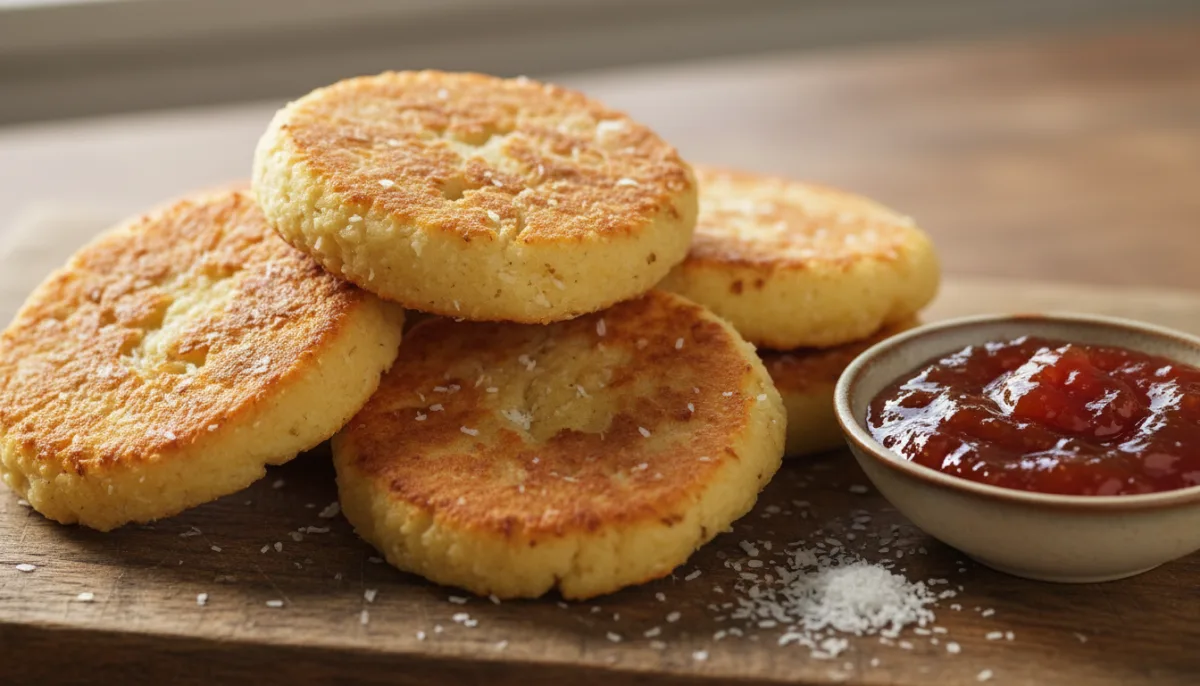
These delightful Puerto Rican Arepas de Coco are a sweet and savory breakfast treat, featuring a tender coconut-infused cornmeal dough. Served warm with a dollop of sweet guava jam, they offer a taste of the Caribbean sunshine.

✎
HOW TO MAKE IT

Let's cook.

01

In a medium bowl, combine the masarepa, unsweetened shredded coconut, salt, and granulated sugar. Mix well to ensure all dry ingredients are evenly distributed.

02

Gradually add the warm water to the dry ingredients, mixing with your hands until a soft, pliable dough forms. Knead for 2-3 minutes until smooth. If the dough is too dry, add a tiny bit more water, 1 teaspoon at a time. If too wet, add a pinch more masarepa.

03

Divide the dough into 8 equal portions. Roll each portion into a ball, then flatten it into a disc about 3-4 inches in diameter and 1/2 inch thick. Ensure the edges are smooth to prevent cracking during cooking.

04

Heat the vegetable oil in a large non-stick skillet over medium heat. Once the oil is shimmering, carefully place the arepas in the skillet, ensuring not to overcrowd the pan. You may need to cook them in batches.

05

Cook the arepas for 5-7 minutes per side, or until they are golden brown and cooked through. The exterior should be crispy, and the interior should be tender. Adjust heat as needed to prevent burning.

06

Remove the cooked arepas from the skillet and place them on a plate lined with paper towels to drain any excess oil. Serve immediately with a generous dollop of guava jam.

About This Recipe

These delightful Puerto Rican Arepas de Coco are a sweet and savory breakfast treat, featuring a tender coconut-infused cornmeal dough. Served warm with a dollop of sweet guava jam, they offer a taste of the Caribbean sunshine.
Puerto Rican Arepas de Coco with Guava Jam
Simple ingredients.
Big flavor.
✦
♨

Chef's Tips

For extra flavor, you can lightly toast the shredded coconut before adding it to the dough. Ensure your water is warm, not hot, to avoid cooking the cornmeal prematurely. Don't press the arepas too thin, or they might become dry.
↔

Easy Substitutions

If masarepa is unavailable, you can use fine cornmeal, though the texture will be slightly different. Any fruit jam can be substituted for guava jam, such as mango or pineapple. For a richer flavor, you can use coconut milk instead of water, reducing the amount slightly if the dough becomes too wet.
▱

Storage & Reheating

Leftover arepas can be stored in an airtight container at room temperature for up to 2 days or refrigerated for up to 4 days. Reheat them in a dry skillet over medium heat for a few minutes per side until warmed through and slightly crispy.

Serving Suggestions

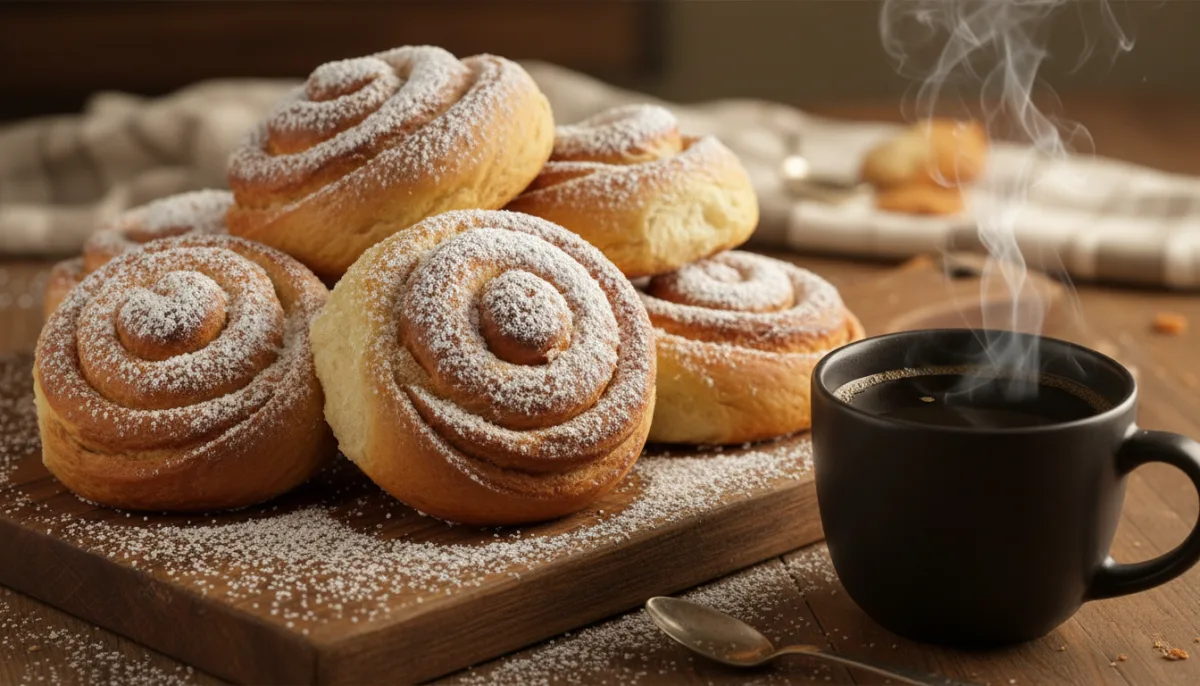
Serve these arepas as a standalone breakfast, alongside a cup of strong Puerto Rican coffee, or as a sweet side dish with scrambled eggs. They also make a fantastic afternoon snack. For a dessert-like experience, dust them with powdered sugar before serving.

Common Mistakes

Over-drying the dough: This leads to crumbly arepas that crack easily. Ensure the dough is soft and pliable. Not cooking long enough: Arepas need sufficient time to cook through and develop a golden crust. Overcrowding the pan: This lowers the oil temperature and prevents proper browning. Cook in batches if necessary. Using cold water: Cold water makes the dough harder to work with and can result in a less tender arepa. Skipping the kneading: Proper kneading helps develop the dough's texture.

Frequently Asked Questions

Can I make these gluten-free?

Yes, masarepa is naturally gluten-free, making these arepas suitable for a gluten-free diet.

Can I bake these instead of frying?

While traditionally fried, you can bake them at 375°F (190°C) for 20-25 minutes, flipping halfway, until golden. They will be less crispy.

What is masarepa?

Masarepa is a pre-cooked cornmeal flour commonly used in Latin American cuisine, especially for making arepas and empanadas. It's different from regular cornmeal.
MORE TO KNOW
The key to perfect arepas is the dough consistency. It should be firm enough to hold its shape but soft enough to be easily kneaded. If your dough feels crumbly, add a tiny bit more warm water. If it's sticky, add a little more masarepa. The shredded coconut adds a wonderful texture and subtle sweetness, making these arepas distinct from traditional savory versions. The contrast with the sweet and tangy guava jam is what truly makes this dish shine.
WHAT PEOPLE THINK

Reviews

☆

No reviews yet

Be the first person to review this recipe.

SHARE YOUR THOUGHTS

Made this recipe?

Tell us how it turned out.

Your review will be checked before appearing publicly.