Home › Recipes › Dinner ›Nigerian ›Nigerian Afang Soup with Fufu and Periwinkles
DINNER

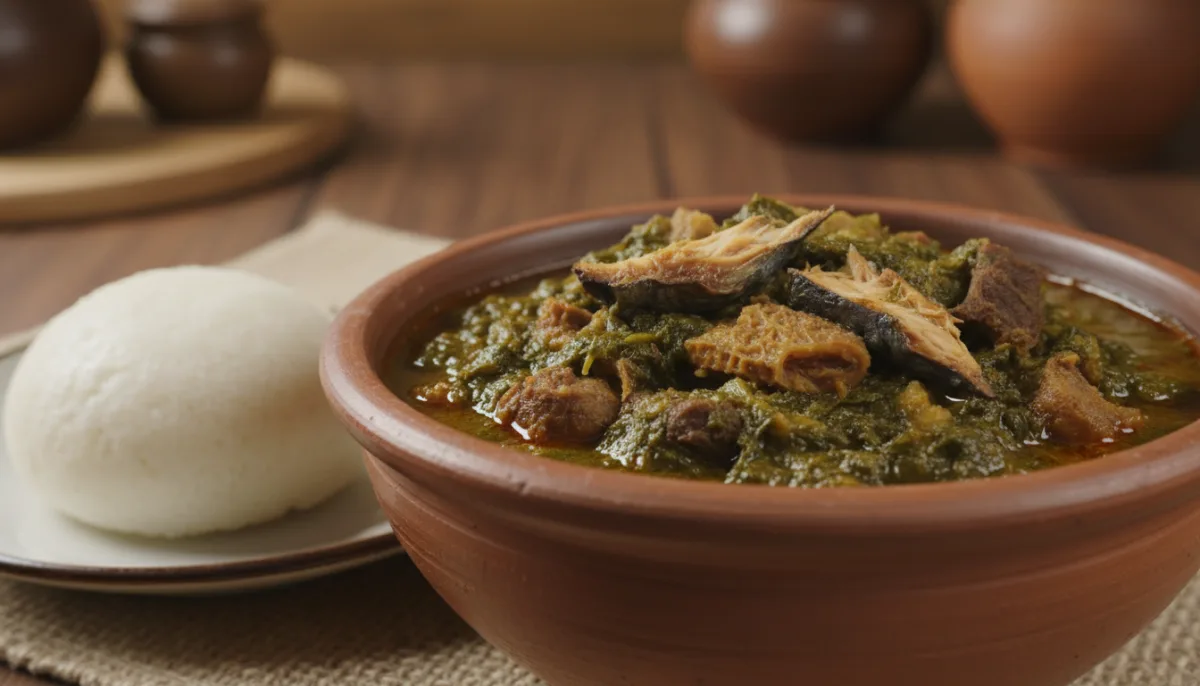
Nigerian Afang Soup with Fufu and Periwinkles

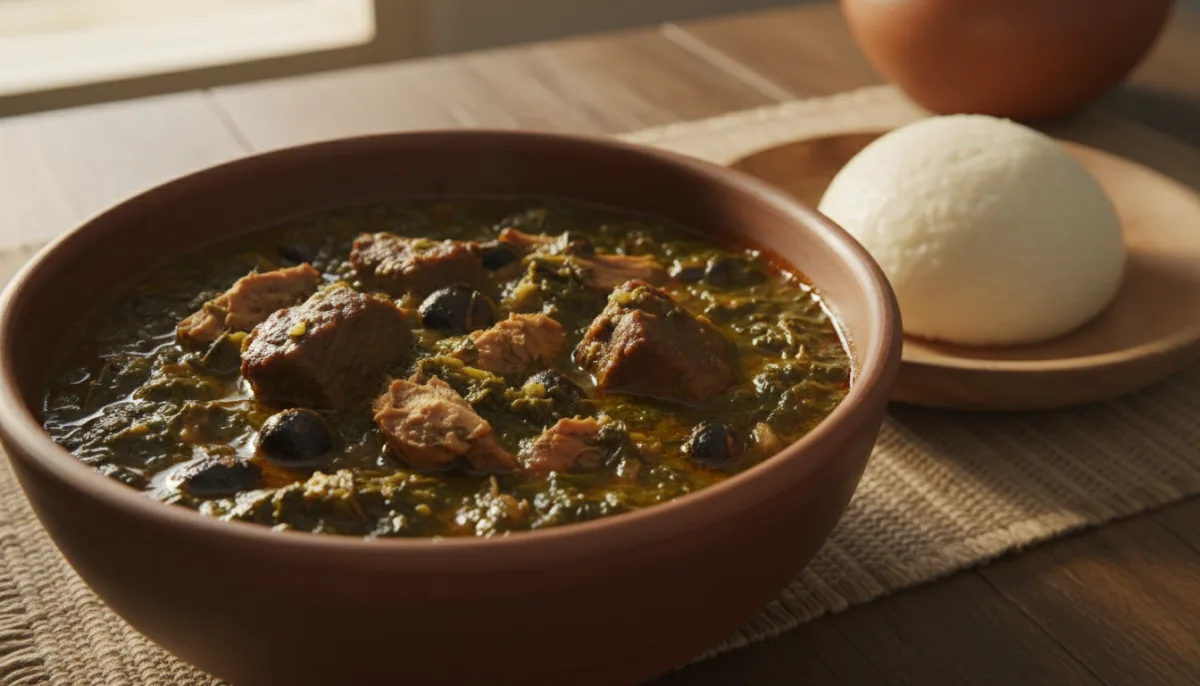
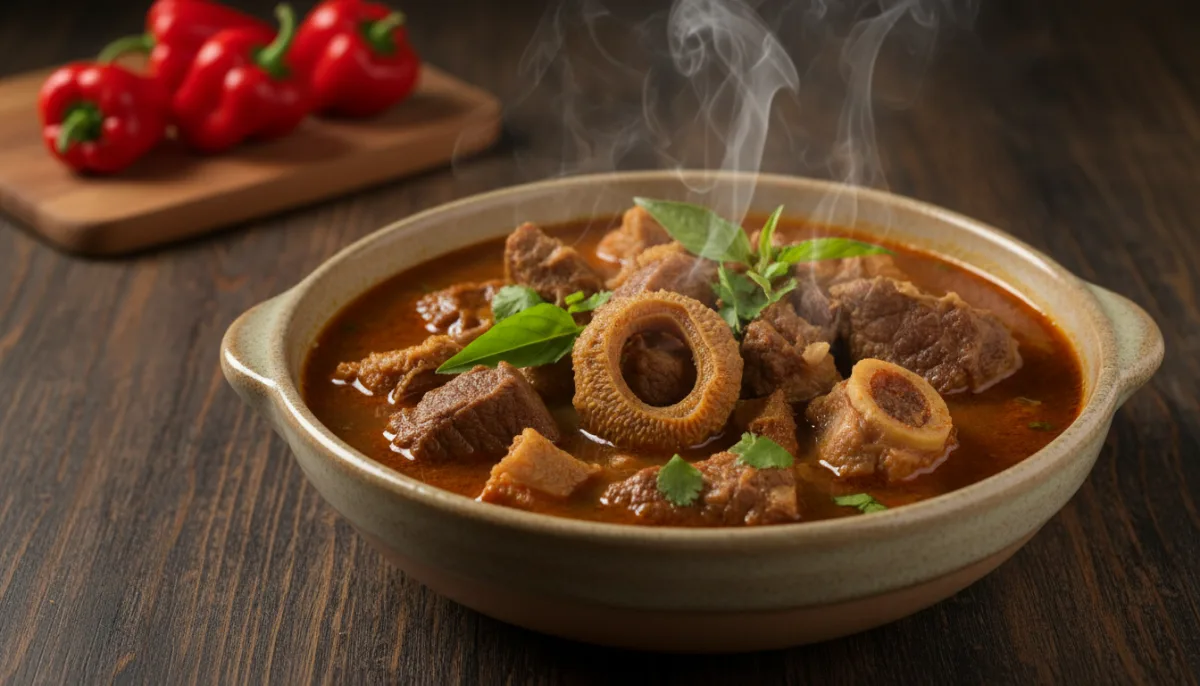
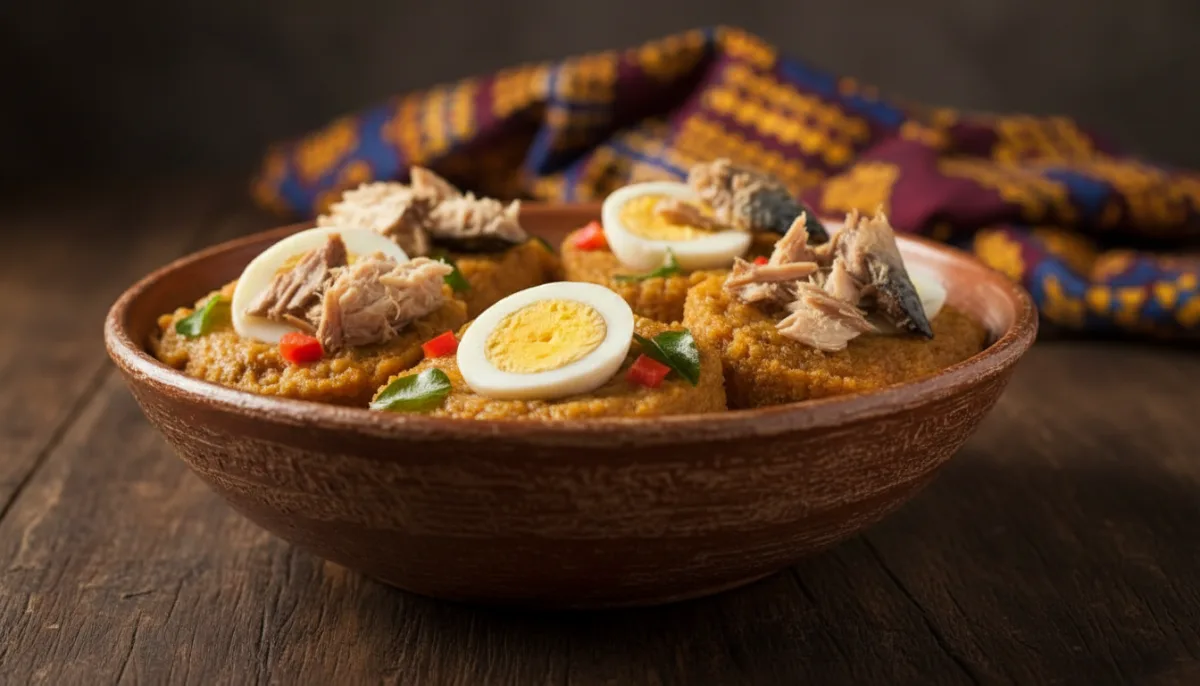
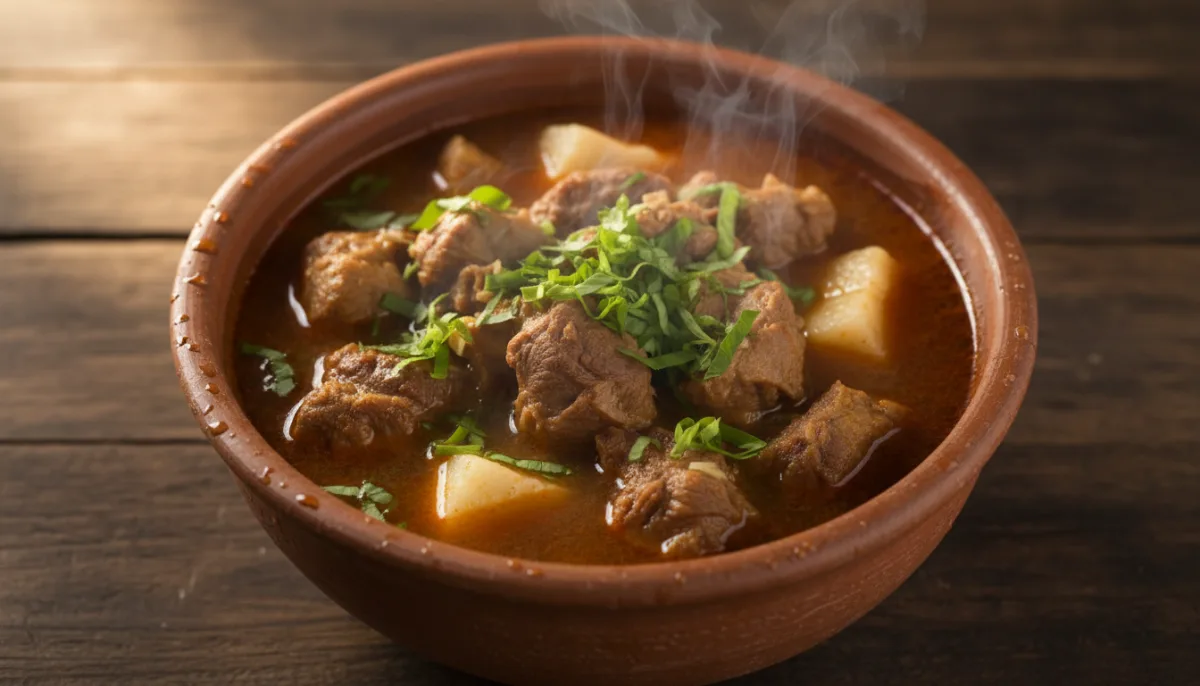
Experience the rich, earthy flavors of Nigerian Afang Soup, a vibrant vegetable soup made with a blend of Afang and Waterleaf, enriched with assorted meats, periwinkles, and palm oil. Served traditionally with soft fufu, this dish offers a hearty and authentic taste of Nigerian cuisine.

✎
HOW TO MAKE IT

Let's cook.

01

Season the beef with 1 bouillon cube and a pinch of salt. Place in a large pot with 1 cup of water and boil over medium heat for 25-30 minutes, or until tender.

02

Add the flaked smoked fish, ground crayfish, and the remaining 1 bouillon cube to the pot with the beef. Stir well and cook for 5 minutes.

03

Stir in the palm oil and ogiri (if using). Allow to simmer for 5-7 minutes, ensuring the oil is well incorporated.

04

Add the chopped waterleaf to the pot. Cook for 5 minutes, stirring occasionally, until the waterleaf wilts down.

05

Introduce the pounded Afang leaves and shelled periwinkles. Stir thoroughly to combine all ingredients.

06

Reduce heat to low and simmer for 10-15 minutes, allowing the flavors to meld and the soup to thicken slightly. Taste and adjust salt if needed.

07

Serve the Nigerian Afang Soup hot with freshly prepared fufu.

About This Recipe

Experience the rich, earthy flavors of Nigerian Afang Soup, a vibrant vegetable soup made with a blend of Afang and Waterleaf, enriched with assorted meats, periwinkles, and palm oil. Served traditionally with soft fufu, this dish offers a hearty and authentic taste of Nigerian cuisine.
Nigerian Afang Soup with Fufu and Periwinkles
Simple ingredients.
Big flavor.
✦
♨

Chef's Tips

For a richer flavor, use a combination of beef and goat meat. Ensure the Afang leaves are finely pounded or chopped to prevent a fibrous texture. Adjust the amount of palm oil to your preference for richness.
↔

Easy Substitutions

If Afang leaves are unavailable, spinach can be used as a substitute, though the flavor will differ. Shelled periwinkles can be replaced with cooked shrimp or mussels. Ogiri is optional but adds an authentic depth of flavor; if omitted, consider adding a little more bouillon.
▱

Storage & Reheating

Store leftover Afang soup in an airtight container in the refrigerator for up to 3 days. Reheat gently on the stovetop over low heat until warmed through. Fufu is best made fresh.

Serving Suggestions

Serve with a side of pounded yam, garri (eba), or semolina for a complete meal. A sprinkle of fresh habanero pepper for those who enjoy extra heat can be added. Pair with a refreshing drink like zobo (hibiscus drink).

Common Mistakes

Overcooking the vegetables can make them lose their vibrant color and nutrients; add them towards the end. Not pounding the Afang leaves finely enough will result in a chewy, unpleasant texture. Using too much palm oil can make the soup greasy; start with the recommended amount and add more only if desired. Not washing the periwinkles thoroughly can leave grit in the soup.

Frequently Asked Questions

Can I make Afang soup vegetarian?

Yes, you can omit the meats and use mushroom or vegetable broth for the base.

What is fufu?

Fufu is a staple food in West and Central Africa, made by pounding starchy root vegetables like cassava, yams, or plantains into a dough-like consistency.

Where can I find Afang leaves?

Afang leaves can often be found in African specialty stores, either fresh or dried.

Can I freeze Afang soup?

Yes, Afang soup freezes well for up to 1 month. Thaw in the refrigerator overnight before reheating.
MORE TO KNOW
The key to authentic Afang soup lies in the balance of the two main vegetables: waterleaf and Afang leaves. Waterleaf provides moisture and helps to thicken the soup, while Afang leaves (also known as okazi or eru) contribute a unique, slightly bitter, and earthy flavor. Pounding the Afang leaves is crucial for breaking down their tough fibers, ensuring a smooth and enjoyable texture in the final soup. If using dried Afang leaves, rehydrate them in warm water for at least 30 minutes before use.
WHAT PEOPLE THINK

Reviews

☆

No reviews yet

Be the first person to review this recipe.

SHARE YOUR THOUGHTS

Made this recipe?

Tell us how it turned out.

Your review will be checked before appearing publicly.