Home › Recipes › Dessert ›Nepalese ›Nepalese Yomari with Chaku (Molasses) Filling
DESSERT

Nepalese Yomari with Chaku (Molasses) Filling

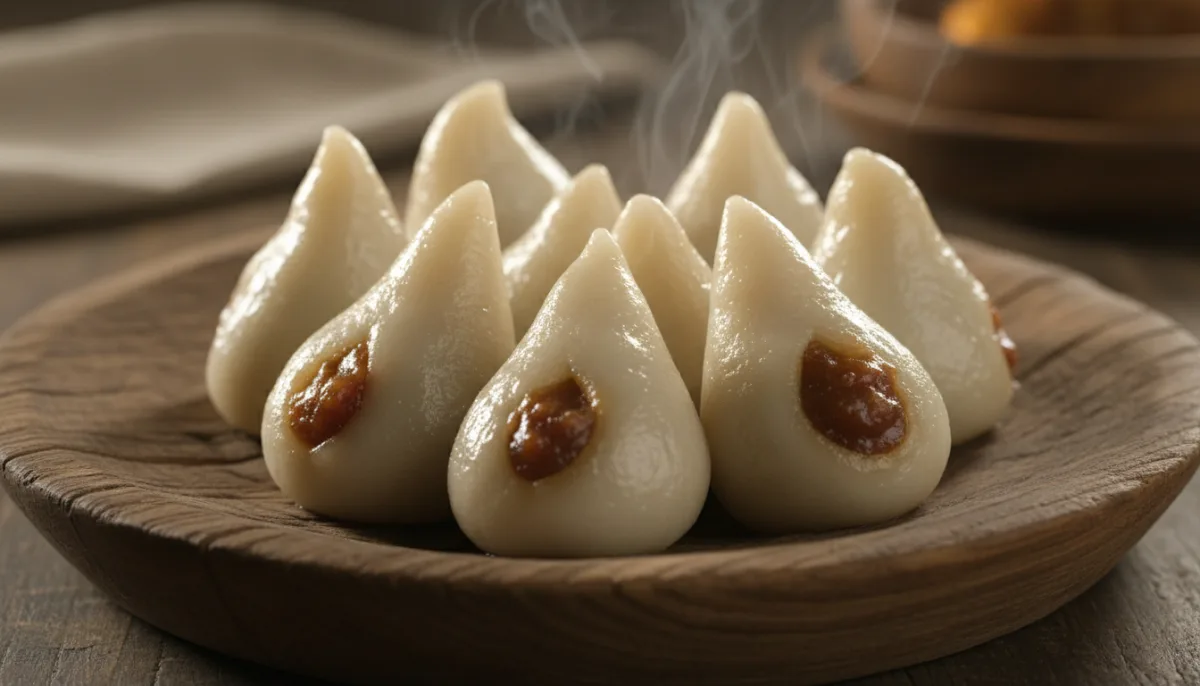
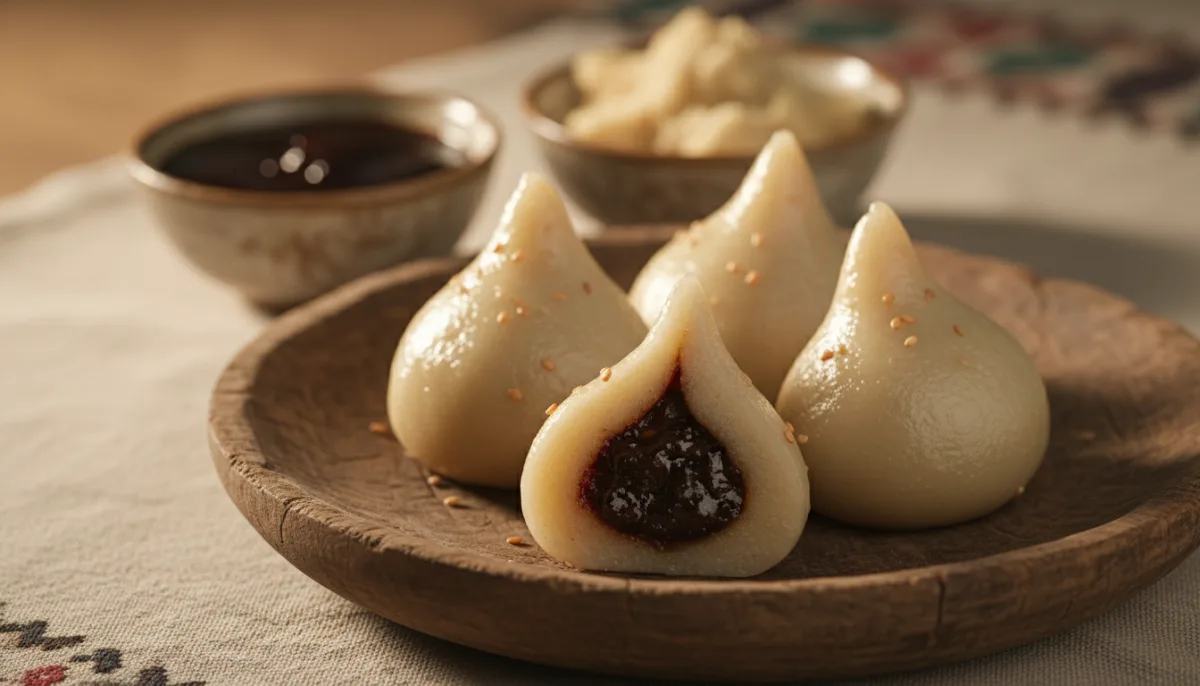
These traditional Nepalese sweet dumplings, known as Yomari, feature a soft, steamed rice flour dough filled with rich, dark chaku (molasses). They are a beloved delicacy, especially during the Yomari Punhi festival.

✎
HOW TO MAKE IT

Let's cook.

01

Prepare the chaku filling: In a small saucepan, combine 1/2 cup chaku, 1 tablespoon ghee, and 1/4 teaspoon cardamom powder. Heat over medium-low heat for 3-5 minutes, stirring constantly, until the chaku melts and forms a thick, smooth paste. Remove from heat and let it cool slightly.

02

Prepare the dough: In a mixing bowl, combine 1 cup rice flour and 1/4 teaspoon salt. Gradually add 1/2 cup hot water, mixing with a spoon until a shaggy dough forms. Knead the dough for 5-7 minutes on a clean surface until it is smooth and pliable. If the dough is too dry, add a tiny bit more hot water, 1 teaspoon at a time.

03

Form the Yomari: Take a small portion of dough, about 1 tablespoon, and flatten it into a disc in your palm. Pinch the edges to create a small cup shape. Spoon about 1 teaspoon of the cooled chaku filling into the center of the dough cup.

04

Seal the Yomari: Carefully bring the edges of the dough together over the filling, pinching and shaping it into a teardrop or fig-like shape. Ensure the filling is completely enclosed and the seams are sealed to prevent leakage during steaming. Repeat with the remaining dough and filling.

05

Steam the Yomari: Arrange the shaped Yomari in a single layer in a steamer basket lined with parchment paper or a lightly oiled surface. Steam over boiling water for 10-12 minutes, or until the Yomari appear glossy and firm to the touch. The color of the dough will become more translucent.

06

Serve immediately: Carefully remove the steamed Yomari from the steamer. Serve them warm, as they are best enjoyed fresh.

About This Recipe

These traditional Nepalese sweet dumplings, known as Yomari, feature a soft, steamed rice flour dough filled with rich, dark chaku (molasses). They are a beloved delicacy, especially during the Yomari Punhi festival.
Nepalese Yomari with Chaku (Molasses) Filling
Simple ingredients.
Big flavor.
✦
♨

Chef's Tips

For easier handling, keep your hands lightly oiled when shaping the Yomari. If chaku is unavailable, you can substitute with dark jaggery or a very thick, dark molasses, adjusting sweetness to taste. Ensure the chaku filling is cooled slightly before filling, otherwise, it can make the dough difficult to seal.
↔

Easy Substitutions

Instead of chaku, you can use a mixture of grated coconut and jaggery for a different sweet filling. For a savory twist, some variations use a lentil-based filling. Ghee can be replaced with unsalted butter or coconut oil.
▱

Storage & Reheating

Yomari are best enjoyed fresh and warm. If you have leftovers, store them in an airtight container in the refrigerator for up to 2 days. Reheat gently by steaming for a few minutes until soft.

Serving Suggestions

Serve warm as a dessert or a special snack. They pair wonderfully with a cup of hot Nepalese Chiya (spiced milk tea). For a festive presentation, arrange them on a platter garnished with a sprinkle of sesame seeds or a drizzle of extra ghee.

Common Mistakes

1. Dough too dry: If the dough cracks while shaping, it's too dry. Add a tiny bit more hot water and knead again. 2. Filling leaking: This happens if the Yomari isn't sealed properly. Pinch the seams firmly. 3. Overfilling: Too much filling makes it hard to seal. Use about 1 teaspoon per dumpling. 4. Overcooking: Steaming for too long can make the Yomari tough. Watch for the glossy, translucent appearance.

Frequently Asked Questions

What is chaku?

Chaku is a traditional Nepalese molasses, typically made from sugarcane juice, often with spices like cardamom. It has a rich, dark, and sweet flavor.


Can I make the dough ahead of time?

It's best to make and use the dough fresh. If you must prepare it ahead, wrap it tightly in plastic wrap and refrigerate for no more than a few hours, then bring to room temperature before shaping.

How do I know when the Yomari are cooked?

Cooked Yomari will look glossy and slightly translucent, and they will be firm to the touch. The dough will lose its opaque, raw appearance.
MORE TO KNOW
The art of shaping Yomari is a skill passed down through generations. The traditional teardrop shape is said to represent a fig, symbolizing fertility and good fortune. The key to a perfect Yomari is a soft, pliable dough that can be easily molded without tearing, and a well-sealed dumpling to keep the molten chaku inside. Don't be discouraged if your first few aren't perfect; practice makes perfect with this delightful Nepalese treat.
WHAT PEOPLE THINK

Reviews

☆

No reviews yet

Be the first person to review this recipe.

SHARE YOUR THOUGHTS

Made this recipe?

Tell us how it turned out.

Your review will be checked before appearing publicly.