Home › Recipes › Dessert ›Nepalese ›Nepalese Yomari: Sweet Steamed Dumplings with Chaku and Khuwa
DESSERT

Nepalese Yomari: Sweet Steamed Dumplings with Chaku and Khuwa

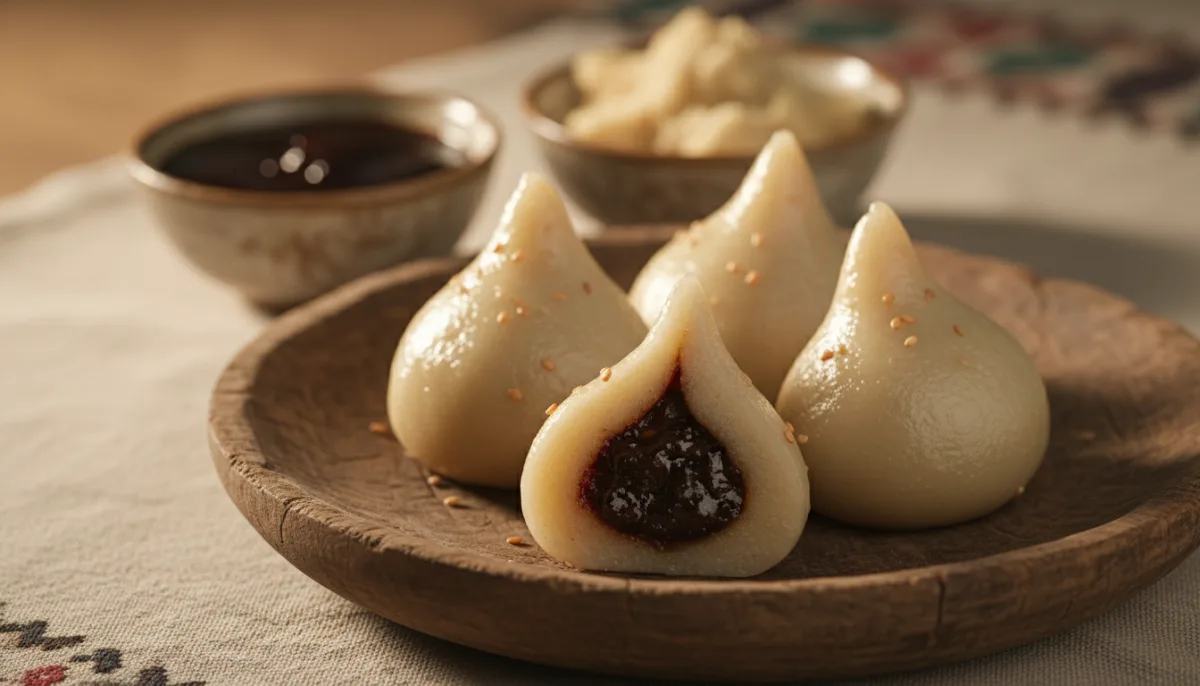
Yomari are traditional Nepalese sweet dumplings, typically prepared during the Yomari Punhi festival. These delicate rice flour pockets are filled with a rich mixture of chaku (molasses) and khuwa (reduced milk solids), offering a unique blend of sweet and creamy flavors.

✎
HOW TO MAKE IT

Let's cook.

01

In a mixing bowl, gradually add hot water to the rice flour, mixing with a spoon until a dough forms. Knead the dough for 5-7 minutes until smooth and pliable. Cover with a damp cloth and let it rest for 10 minutes.

02

While the dough rests, prepare the filling. In a small saucepan, combine chaku, khuwa, cardamom powder, and ghee. Cook over low heat for 3-5 minutes, stirring constantly, until the chaku melts and the mixture is well combined and slightly thickened. Remove from heat and let it cool slightly.

03

Divide the rice dough into 12 equal portions. Take one portion and flatten it into a small disc in your palm. Gently shape it into a small, hollow cone or teardrop shape, ensuring the walls are thin but not breaking.

04

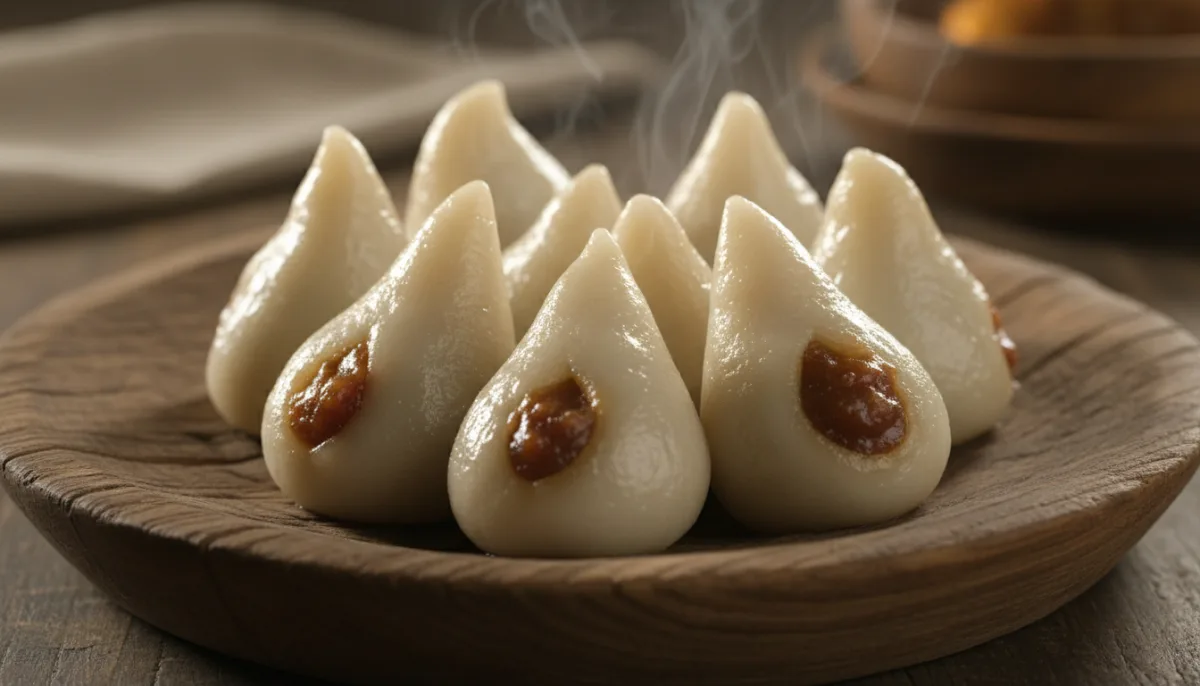
Spoon about 1 teaspoon of the chaku-khuwa filling into the hollow of the shaped dough. Carefully seal the opening, pinching the edges together to form a dumpling with a pointed top, resembling a fig or a teardrop.

05

Arrange the shaped yomari in a single layer in a steamer basket lined with parchment paper or a greased banana leaf. Ensure there is space between each dumpling to prevent sticking.

06

Steam the yomari over boiling water for 10-12 minutes, or until they appear glossy and translucent. The dough should be cooked through and slightly firm to the touch.

07

Carefully remove the steamed yomari from the steamer and serve warm.

About This Recipe

Yomari are traditional Nepalese sweet dumplings, typically prepared during the Yomari Punhi festival. These delicate rice flour pockets are filled with a rich mixture of chaku (molasses) and khuwa (reduced milk solids), offering a unique blend of sweet and creamy flavors.
Nepalese Yomari: Sweet Steamed Dumplings with Chaku and Khuwa
Simple ingredients.
Big flavor.
✦
♨

Chef's Tips

For best results, use fine-grain rice flour, as it yields a smoother, more elastic dough. If the dough feels too dry, add a few drops of hot water; if too sticky, add a pinch of rice flour. Keep the dough covered with a damp cloth to prevent it from drying out while you work.
↔

Easy Substitutions

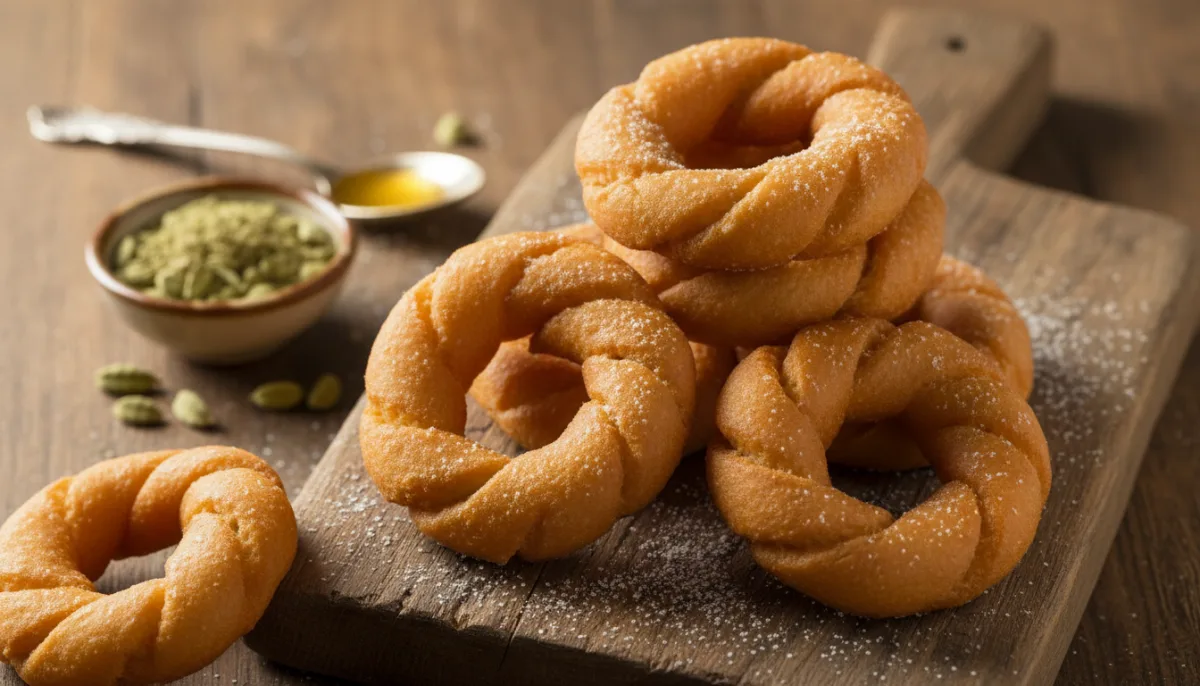
If chaku is unavailable, use dark jaggery or a mixture of dark brown sugar and a touch of molasses. For khuwa, you can use ricotta cheese that has been cooked down until very thick and crumbly, or a mixture of milk powder and heavy cream cooked until reduced. Ghee can be replaced with unsalted butter.
▱

Storage & Reheating

Yomari are best enjoyed fresh and warm. Leftovers can be stored in an airtight container in the refrigerator for up to 2 days. Reheat gently by steaming for a few minutes until warmed through.

Serving Suggestions

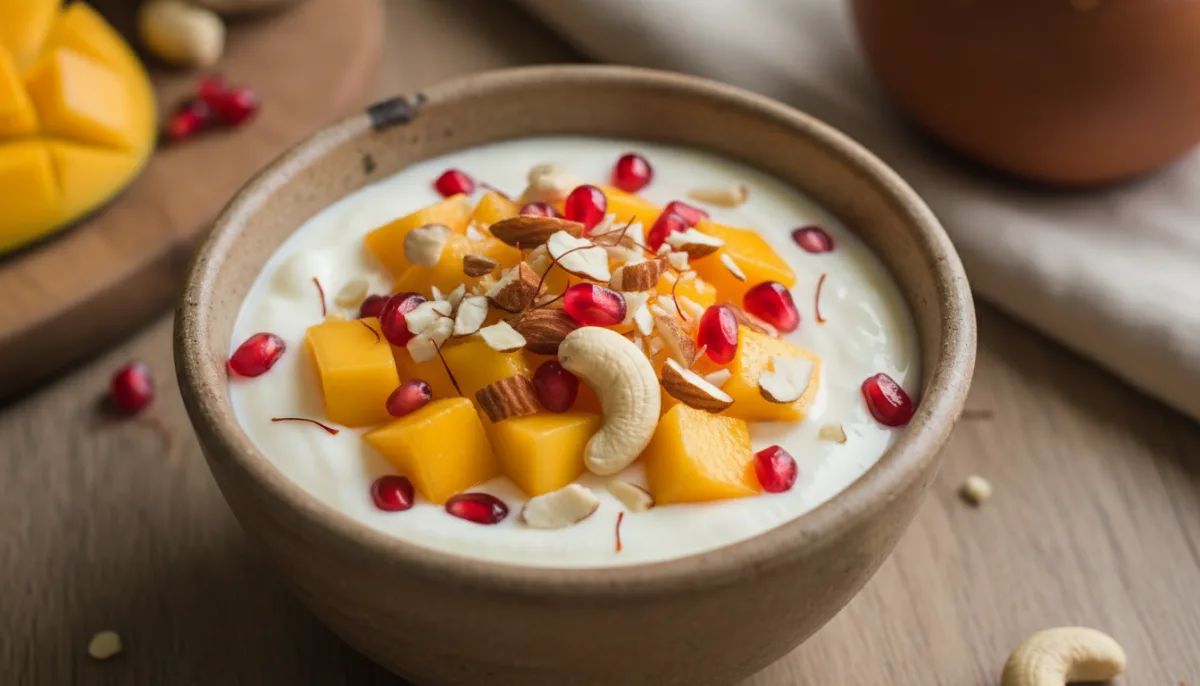
Serve yomari warm, perhaps with a sprinkle of toasted sesame seeds for added texture. They pair wonderfully with a cup of hot Nepalese milk tea (chiya). For a festive touch, arrange them on a platter with fresh fruit like sliced mango or pomegranate seeds. A light drizzle of extra ghee or a sprinkle of finely chopped nuts can also enhance the experience.

Common Mistakes

1. Using cold water for the dough: This can result in a tough, crumbly dough that is difficult to shape. Always use hot water to activate the rice flour properly. 2. Overfilling the dumplings: Too much filling can cause the yomari to burst during steaming. Use about 1 teaspoon per dumpling. 3. Not sealing the dumplings properly: If the edges aren't tightly sealed, the filling can leak out during steaming. 4. Over-steaming: This can make the yomari mushy. Steam just until they are glossy and translucent. 5. Letting the dough dry out: Uncovered dough will crack and be hard to work with. Keep it covered with a damp cloth.

Frequently Asked Questions

Can I make the dough ahead of time?

You can prepare the dough up to a few hours in advance, keeping it tightly wrapped in plastic wrap or a damp cloth in the refrigerator. Let it come to room temperature before shaping.


What is the significance of Yomari?

Yomari is a traditional Newari dish from Nepal, primarily made during the Yomari Punhi festival, which marks the end of the rice harvest. It symbolizes good harvest and prosperity.

Can I use regular all-purpose flour?

No, rice flour is essential for the unique texture of yomari. All-purpose flour will result in a completely different, bread-like dumpling.

How do I know when the yomari are cooked?

Cooked yomari will appear glossy and slightly translucent, and the dough will feel firm but tender when gently pressed.
MORE TO KNOW
The art of shaping yomari is central to this dish. The traditional shape is a teardrop or fig-like form, symbolizing a grain of rice. Achieving thin, even walls for the dough is key to a delicate texture. Practice makes perfect, so don't be discouraged if your first few aren't perfectly shaped. The translucency after steaming indicates proper cooking, revealing the rich filling within. This dish is often made during the winter harvest festival of Yomari Punhi, celebrating the end of the rice harvest and offering warmth and sustenance during colder months.
WHAT PEOPLE THINK

Reviews

☆

No reviews yet

Be the first person to review this recipe.

SHARE YOUR THOUGHTS

Made this recipe?

Tell us how it turned out.

Your review will be checked before appearing publicly.