Home › Recipes › Dessert ›Eritrean ›Eritrean Himbasha with Honey and Toasted Nuts
DESSERT

Eritrean Himbasha with Honey and Toasted Nuts

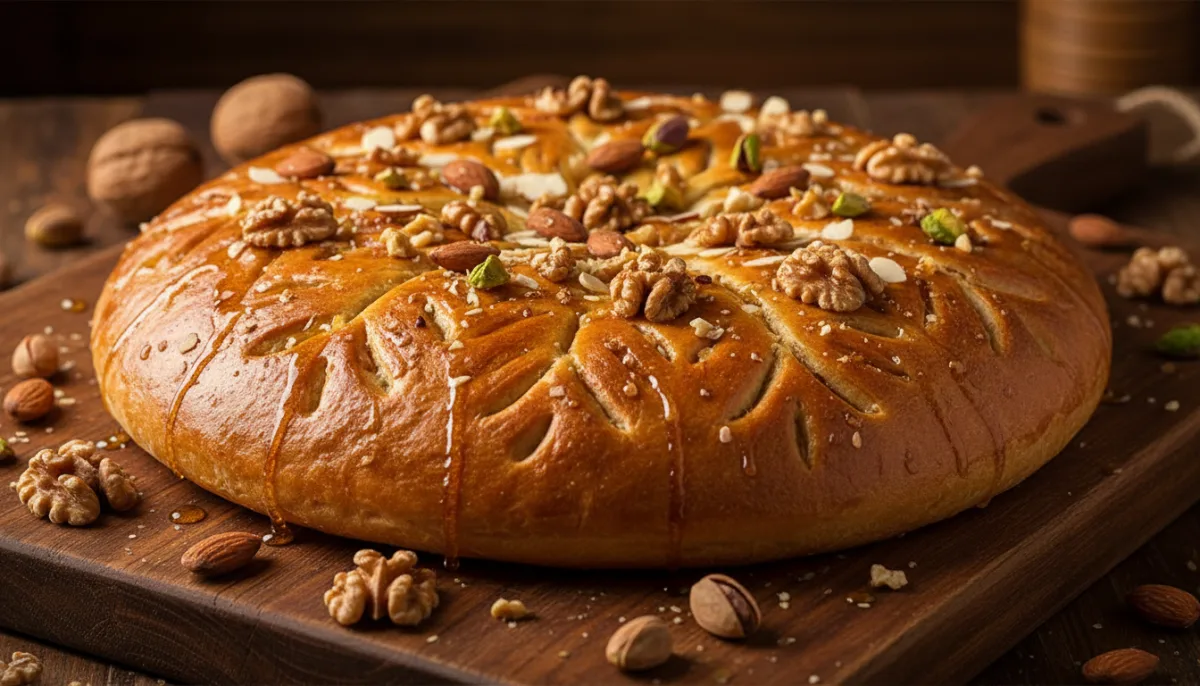
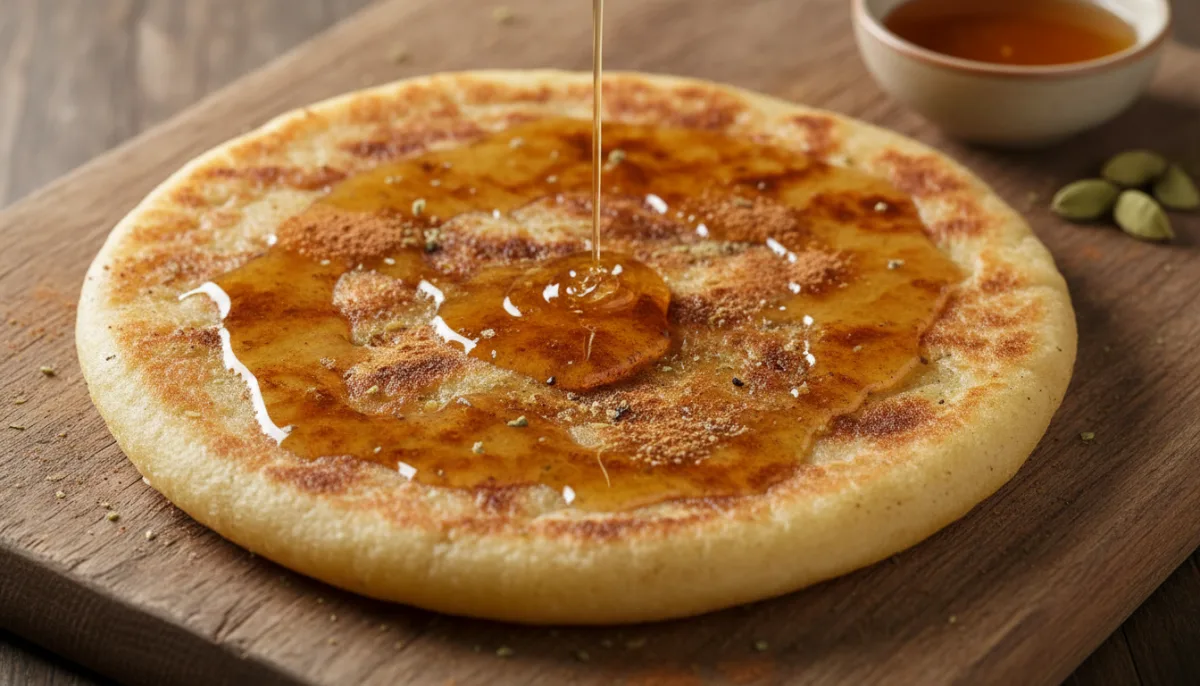
This sweet Eritrean Himbasha, a traditional celebration bread, is enriched with honey and topped with a delightful mix of toasted nuts. It's a perfect dessert or a special breakfast treat, offering a unique blend of flavors and textures.

✎
HOW TO MAKE IT

Let's cook.

01

In a large bowl, combine the all-purpose flour, active dry yeast, granulated sugar, and salt. Mix well.

02

Gradually add the warm water, vegetable oil, and 1/4 cup of honey to the dry ingredients. Mix until a shaggy dough forms, then knead on a lightly floured surface for 5-7 minutes until smooth and elastic.

03

Place the dough in a lightly oiled bowl, cover with a clean kitchen towel, and let it rise in a warm place for 1 hour, or until doubled in size.

04

Punch down the dough and shape it into a round, flat disc about 1 inch thick. Place it on a baking sheet lined with parchment paper. Use a knife to create decorative patterns on the surface, being careful not to cut all the way through.

05

Brush the top of the Himbasha with a little extra honey and sprinkle generously with the toasted mixed nuts and nigella seeds (if using).

06

Bake in a preheated oven at 375°F (190°C) for 25-30 minutes, or until golden brown and cooked through. A wooden skewer inserted into the center should come out clean.

07

Once out of the oven, immediately drizzle with more honey while still warm. Let it cool slightly before slicing and serving.

About This Recipe

This sweet Eritrean Himbasha, a traditional celebration bread, is enriched with honey and topped with a delightful mix of toasted nuts. It's a perfect dessert or a special breakfast treat, offering a unique blend of flavors and textures.
Eritrean Himbasha with Honey and Toasted Nuts
Simple ingredients.
Big flavor.
✦
♨

Chef's Tips

For extra flavor, you can add a pinch of ground cardamom or cinnamon to the dough. Ensure your water is not too hot, as it can kill the yeast, or too cold, which will slow down the rising process. Toasting the nuts beforehand enhances their flavor and crunch.
↔

Easy Substitutions

If you don't have mixed nuts, any single type of nut like almonds or walnuts will work. Maple syrup can be used in place of honey for a different sweetness profile. Nigella seeds are traditional but can be omitted if unavailable.
▱

Storage & Reheating

Store leftover Himbasha in an airtight container at room temperature for up to 3 days. For longer storage, wrap tightly and freeze for up to 1 month. Reheat gently in the oven or microwave.

Serving Suggestions

Serve warm with a cup of Eritrean coffee or spiced tea. It pairs wonderfully with fresh fruit, especially sliced oranges or grapes. For a heartier breakfast, enjoy it alongside a dollop of plain yogurt. It can also be a delightful addition to a dessert platter.

Common Mistakes

Over-kneading the dough can result in a tough bread, so stop once it's smooth and elastic. Not letting the dough rise sufficiently will lead to a dense Himbasha; ensure it doubles in size. Over-baking can dry out the bread, so keep an eye on it and remove it once golden. Forgetting to toast the nuts will result in less flavor and crunch.

Frequently Asked Questions

Can I make this Himbasha gluten-free?

While traditional Himbasha uses all-purpose flour, you could experiment with a gluten-free all-purpose flour blend, though the texture might vary.


What are nigella seeds?

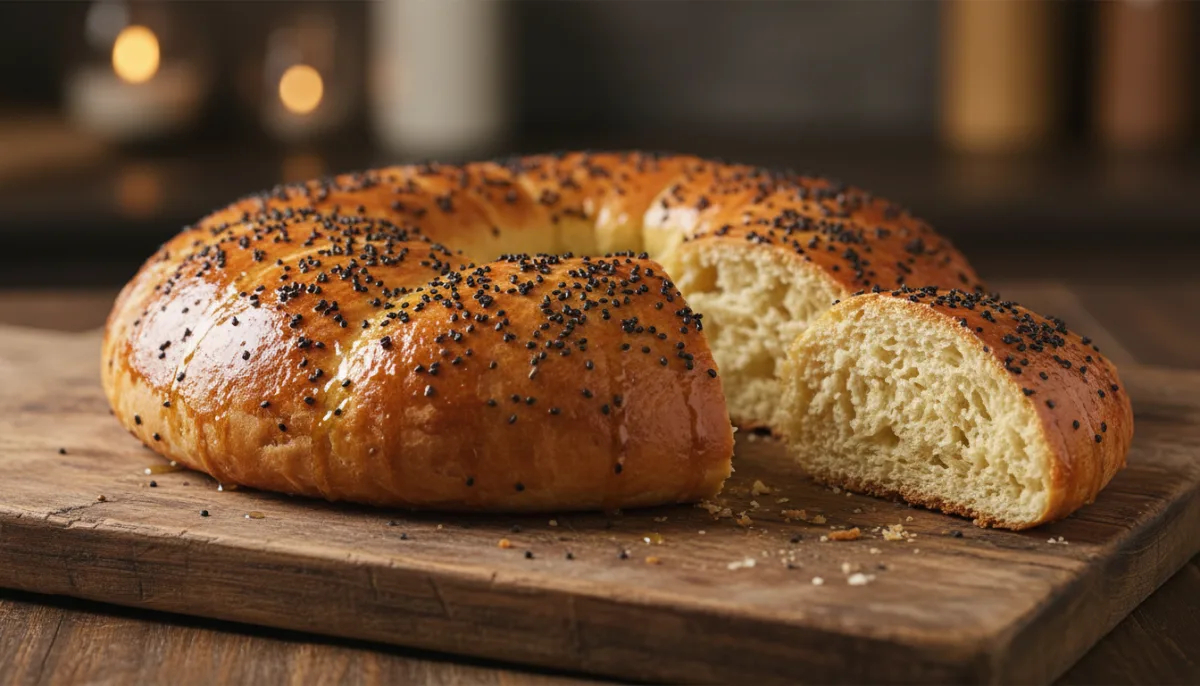
Nigella seeds (also known as black cumin or kalonji) are small, black seeds with a slightly bitter, onion-like flavor, commonly used in Middle Eastern and Indian cuisine. They add a unique aromatic touch to the Himbasha.

Can I prepare the dough ahead of time?

Yes, after the first rise, you can punch down the dough, cover it tightly, and refrigerate it overnight. Let it come to room temperature for about 30 minutes before shaping and baking.
MORE TO KNOW
Himbasha is a staple in Eritrean and Ethiopian cuisine, often prepared for holidays and special occasions. The decorative patterns on top are not just for aesthetics; they help the bread cook evenly and create a beautiful presentation. Traditionally, these patterns can range from simple crosses to intricate floral designs, often made with a sharp knife or even a fork. The combination of the slightly sweet bread with the rich honey and crunchy nuts makes for a truly comforting and celebratory treat.
WHAT PEOPLE THINK

Reviews

☆

No reviews yet

Be the first person to review this recipe.

SHARE YOUR THOUGHTS

Made this recipe?

Tell us how it turned out.

Your review will be checked before appearing publicly.