Home › Recipes › Dessert ›Eritrean ›Eritrean Himbasha: Celebration Bread with Nigella Seeds & Honey Glaze
DESSERT

Eritrean Himbasha: Celebration Bread with Nigella Seeds & Honey Glaze

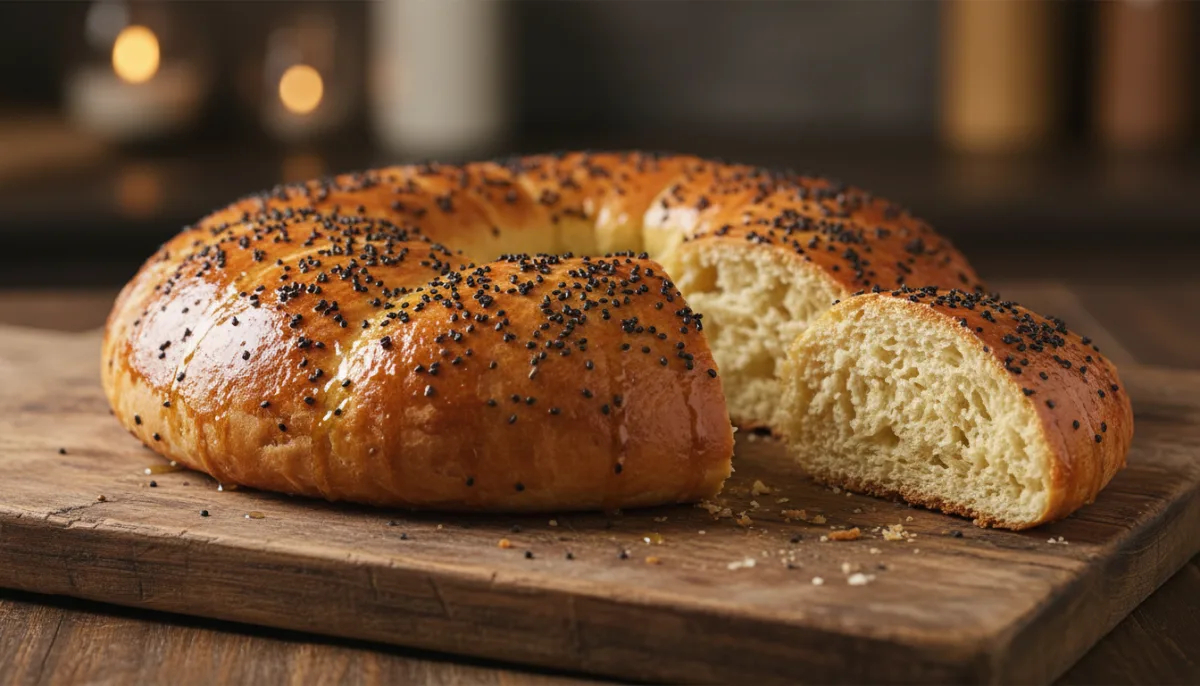
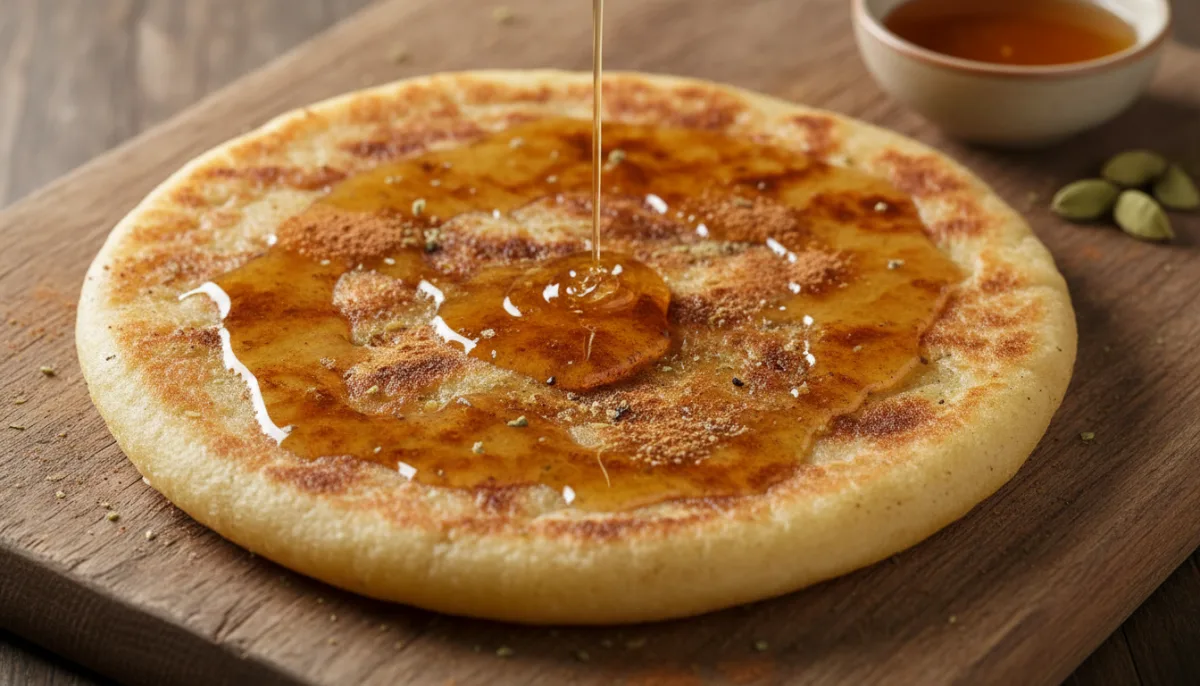
Himbasha, a cherished Eritrean celebration bread, brings warmth and tradition to any special gathering. This recipe guides you through creating a subtly sweet, tender dough, beautifully studded with aromatic nigella seeds, and finished with a glistening honey glaze for an unforgettable touch.

✎
HOW TO MAKE IT

Let's cook.

01

In a large bowl, combine the all-purpose flour, active dry yeast, salt, and granulated sugar. Mix well to distribute the dry ingredients evenly.

02

Gradually add the warm water and vegetable oil to the dry ingredients. Mix until a shaggy dough forms, then turn it out onto a lightly floured surface.

03

Knead the dough for 8-10 minutes until it becomes smooth and elastic. Place the dough in a lightly oiled bowl, cover with a clean kitchen towel, and let it rise in a warm place for 1 to 1.5 hours, or until doubled in size.

04

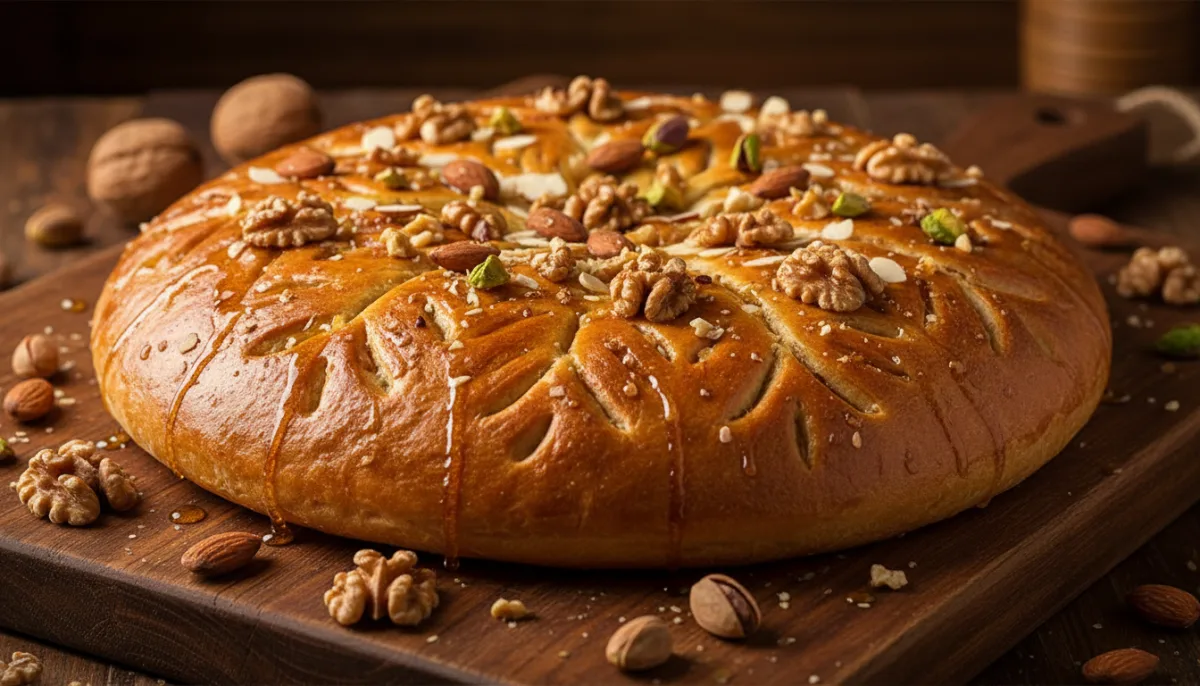
Once risen, gently punch down the dough and shape it into a round, flat disc about 1 inch thick. You can create decorative patterns on top using a knife, but do not cut all the way through. Sprinkle the nigella seeds evenly over the surface.

05

Carefully transfer the shaped dough to a baking sheet lined with parchment paper. Cover again with the kitchen towel and let it rest for another 30 minutes.

06

Bake the himbasha in a preheated oven at 375°F (190°C) for 25-30 minutes, or until golden brown and cooked through. The internal temperature should reach 200-210°F (93-99°C).

07

While the bread is still warm, brush the top generously with honey for a sweet glaze and extra shine.

08

Allow the himbasha to cool slightly on a wire rack before slicing and serving.

About This Recipe

Himbasha, a cherished Eritrean celebration bread, brings warmth and tradition to any special gathering. This recipe guides you through creating a subtly sweet, tender dough, beautifully studded with aromatic nigella seeds, and finished with a glistening honey glaze for an unforgettable touch.
Eritrean Himbasha: Celebration Bread with Nigella Seeds & Honey Glaze
Simple ingredients.
Big flavor.
✦
♨

Chef's Tips

For a richer flavor, you can add 1/4 teaspoon of ground cardamom to the dry ingredients. Ensure your water is the correct temperature for yeast activation; too hot will kill it, too cold will not activate it.
↔

Easy Substitutions

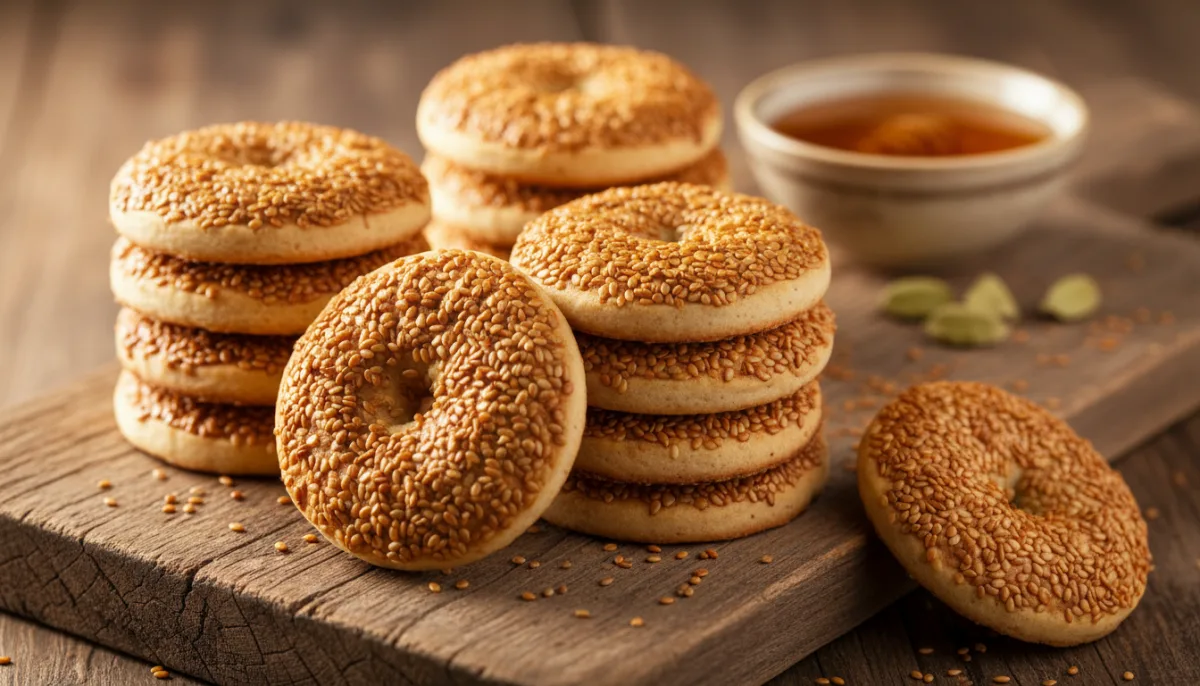
If nigella seeds are unavailable, sesame seeds can be used as a substitute for a similar textural element, though the flavor will differ. Maple syrup can replace honey for the glaze if preferred.
▱

Storage & Reheating

Store leftover himbasha in an airtight container at room temperature for up to 3 days. For longer storage, wrap tightly and freeze for up to 1 month; thaw at room temperature and warm gently before serving.

Serving Suggestions

Serve warm with a cup of Eritrean coffee or spiced tea. It pairs wonderfully with a light fruit salad for breakfast or as a sweet snack. Enjoy it plain or with a side of butter or a mild cheese.

Common Mistakes

Over-kneading the dough can result in a tough bread; stop when it's smooth and elastic. Not allowing enough time for the dough to rise will lead to a dense himbasha. Baking at too high a temperature can burn the outside before the inside is cooked; ensure your oven temperature is accurate. Forgetting to glaze with honey while warm will prevent the honey from soaking in and creating a shiny finish.

Frequently Asked Questions

Can I make this bread ahead of time?

Yes, you can prepare the dough the night before and let it rise slowly in the refrigerator overnight. Bring it to room temperature before shaping and baking.


What are nigella seeds?

Nigella seeds, also known as black cumin, have a slightly bitter, peppery, and onion-like flavor. They are commonly used in Middle Eastern and Indian cuisine.

Can I use whole wheat flour?

You can substitute up to half of the all-purpose flour with whole wheat flour, but it may result in a denser bread and require slightly more liquid.
MORE TO KNOW
The decorative patterns on Himbasha are not just for aesthetics; they help the bread cook evenly and are often symbolic. Common patterns include crosses, stars, or simple geometric designs. Using a sharp knife or a pizza cutter can help create clean lines without tearing the dough. The second rise (proofing) is crucial for a light and airy texture, so be patient and allow the dough to fully relax and expand.
WHAT PEOPLE THINK

Reviews

☆

No reviews yet

Be the first person to review this recipe.

SHARE YOUR THOUGHTS

Made this recipe?

Tell us how it turned out.

Your review will be checked before appearing publicly.