Home › Recipes › Breakfast ›Dominican ›Dominican Coconut & Anise Arepa
BREAKFAST

Dominican Coconut & Anise Arepa

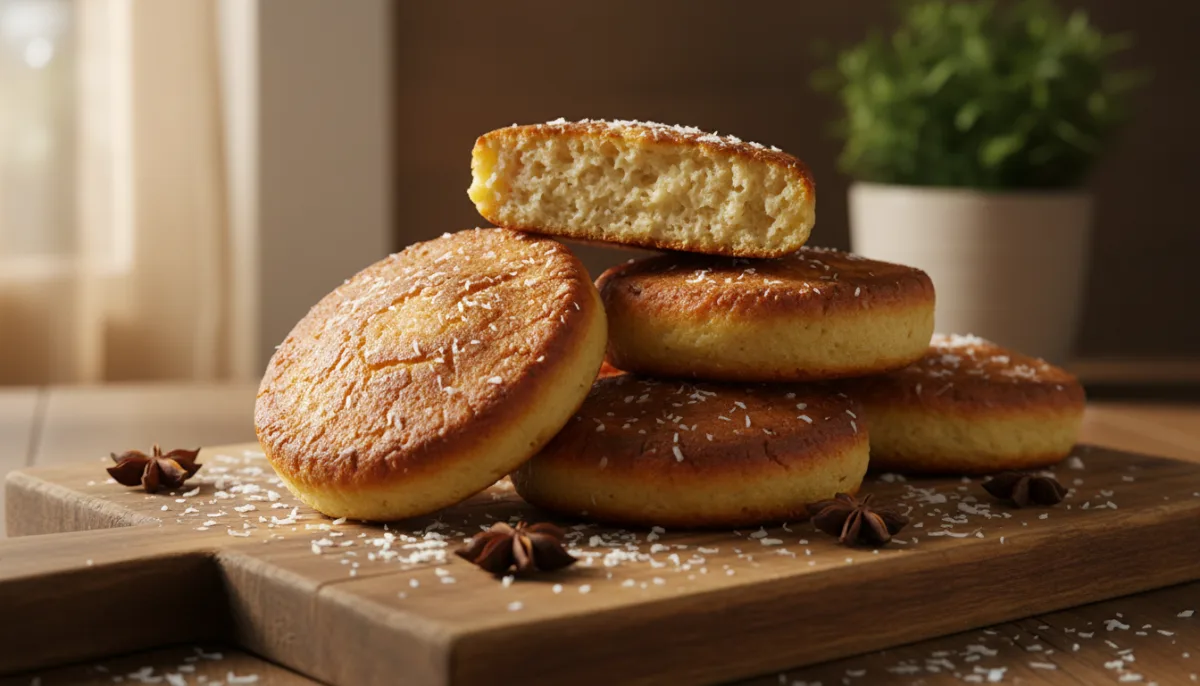
Savor a taste of the Caribbean with this distinctive Dominican Arepa, featuring the delightful sweetness of coconut and the warm, aromatic notes of anise. It's a comforting and flavorful way to begin your day.

✎
HOW TO MAKE IT

Let's cook.

01

In a large bowl, combine the pre-cooked cornmeal, warm water, shredded unsweetened coconut, anise seeds, granulated sugar, and salt. Mix well with your hands until a soft, uniform dough forms. Let the dough rest for 5 minutes to allow the cornmeal to fully hydrate.

02

Divide the dough into 4 equal portions. Shape each portion into a round, flat patty, about 1/2 inch thick and 4 inches in diameter. Ensure the edges are smooth to prevent cracking during cooking.

03

Heat 2 tablespoons of vegetable oil in a large non-stick skillet over medium heat. Once the oil is shimmering, carefully place the arepas into the skillet, ensuring they do not overcrowd the pan. You may need to cook them in batches.

04

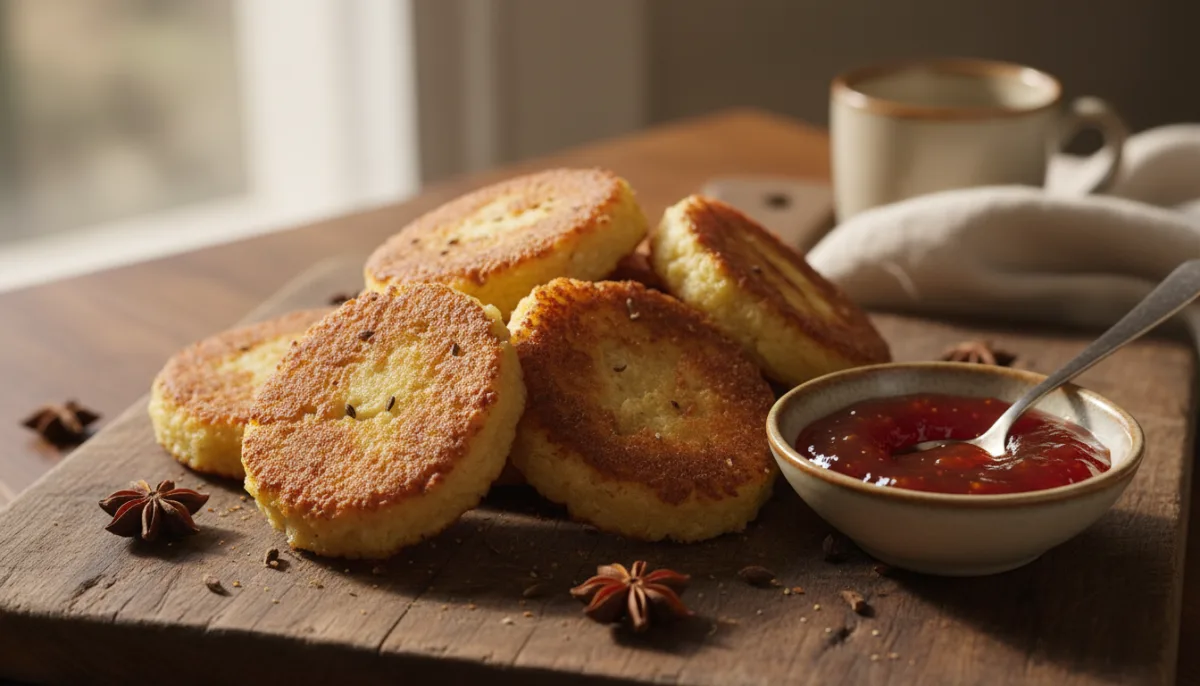
Cook the arepas for 6-8 minutes per side, or until they are golden brown and have a slightly crispy exterior. The internal temperature should be cooked through.

05

Remove the cooked arepas from the skillet and place them on a wire rack to cool slightly before serving. This helps maintain their crispy texture.

About This Recipe

Savor a taste of the Caribbean with this distinctive Dominican Arepa, featuring the delightful sweetness of coconut and the warm, aromatic notes of anise. It's a comforting and flavorful way to begin your day.
Dominican Coconut & Anise Arepa
Simple ingredients.
Big flavor.
✦
♨

Chef's Tips

For extra flavor, lightly toast the anise seeds in a dry skillet for 1-2 minutes before adding them to the dough. This enhances their aromatic qualities. You can also add a pinch of cinnamon for a warmer spice profile.
↔

Easy Substitutions

If you don't have anise seeds, you can use 1/2 teaspoon of ground anise or a few drops of anise extract. For a richer flavor, substitute some of the water with coconut milk. If unsweetened coconut is unavailable, use sweetened and reduce the granulated sugar slightly.
▱

Storage & Reheating

Store leftover arepas in an airtight container in the refrigerator for up to 3 days. Reheat them in a dry skillet over medium heat for 3-5 minutes per side until warmed through and crispy, or in a toaster oven at 350°F/175°C for 5-7 minutes.

Serving Suggestions

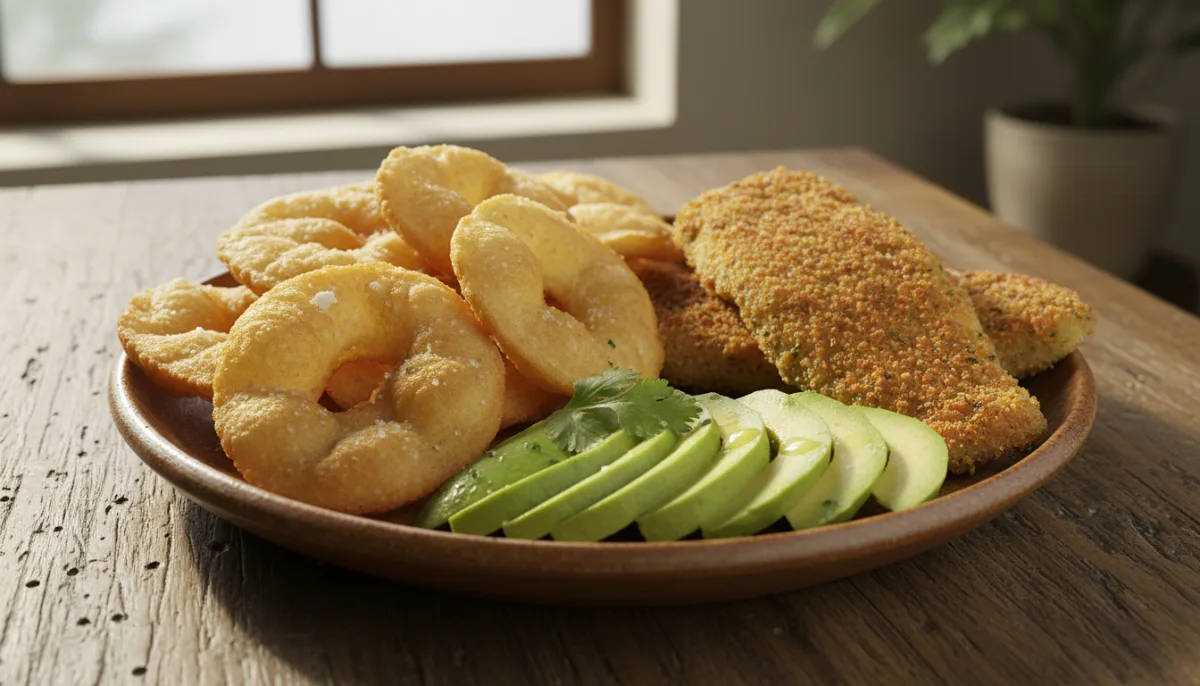
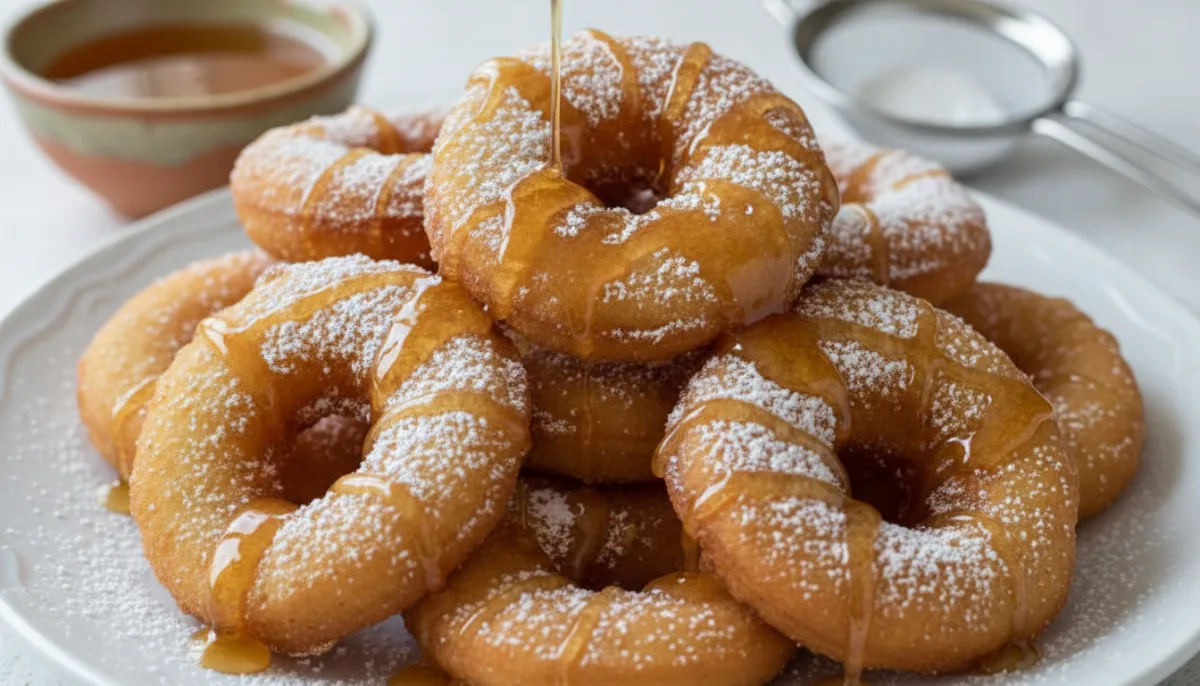
Serve these Dominican Arepas warm with a dollop of butter or a drizzle of honey. They also pair wonderfully with fresh tropical fruit like mango or pineapple. For a savory twist, enjoy them alongside scrambled eggs or a slice of mild white cheese. A cup of strong Dominican coffee completes this breakfast experience.

Common Mistakes

1. Not letting the dough rest: This can lead to crumbly arepas. Always allow the cornmeal to hydrate fully. 2. Overcrowding the skillet: This lowers the oil temperature and prevents proper browning, resulting in soggy arepas. Cook in batches if necessary. 3. Cooking on too high heat: The outside will burn before the inside cooks through. Maintain medium heat for even cooking. 4. Not shaping evenly: Unevenly shaped arepas will cook inconsistently. Aim for uniform thickness. 5. Adding too much water initially: This can make the dough sticky and hard to handle. Add water gradually.

Frequently Asked Questions

Can I make these arepas ahead of time?

Yes, you can prepare the dough and shape the arepas, then refrigerate them for up to 24 hours before cooking.


What kind of cornmeal should I use?

Pre-cooked cornmeal (harina de maíz precocida), often labeled as 'masarepa' or 'harina P.A.N.', is essential for arepas. Do not use regular cornmeal or corn flour.

Can I bake these instead of frying?

While traditionally fried, you can bake them at 375°F/190°C for 20-25 minutes, flipping halfway, until golden brown. They will be less crispy than fried arepas.

Is anise a strong flavor?

Anise has a distinct licorice-like flavor. The amount used in this recipe provides a pleasant aroma without being overpowering. You can adjust to your preference.
MORE TO KNOW
The key to a perfect arepa is the dough consistency. It should be firm enough to hold its shape but soft enough to not crack. If your dough feels too dry, add water 1 tablespoon at a time until it reaches the right texture. If it's too wet, add a little more cornmeal. The resting period is crucial for the cornmeal to absorb the liquid, resulting in a tender interior. Don't press down on the arepas while cooking, as this can make them dense.
WHAT PEOPLE THINK

Reviews

☆

No reviews yet

Be the first person to review this recipe.

SHARE YOUR THOUGHTS

Made this recipe?

Tell us how it turned out.

Your review will be checked before appearing publicly.